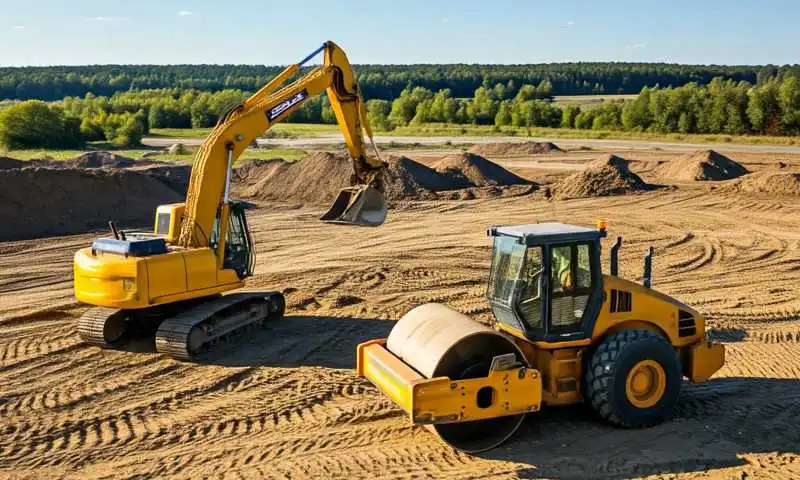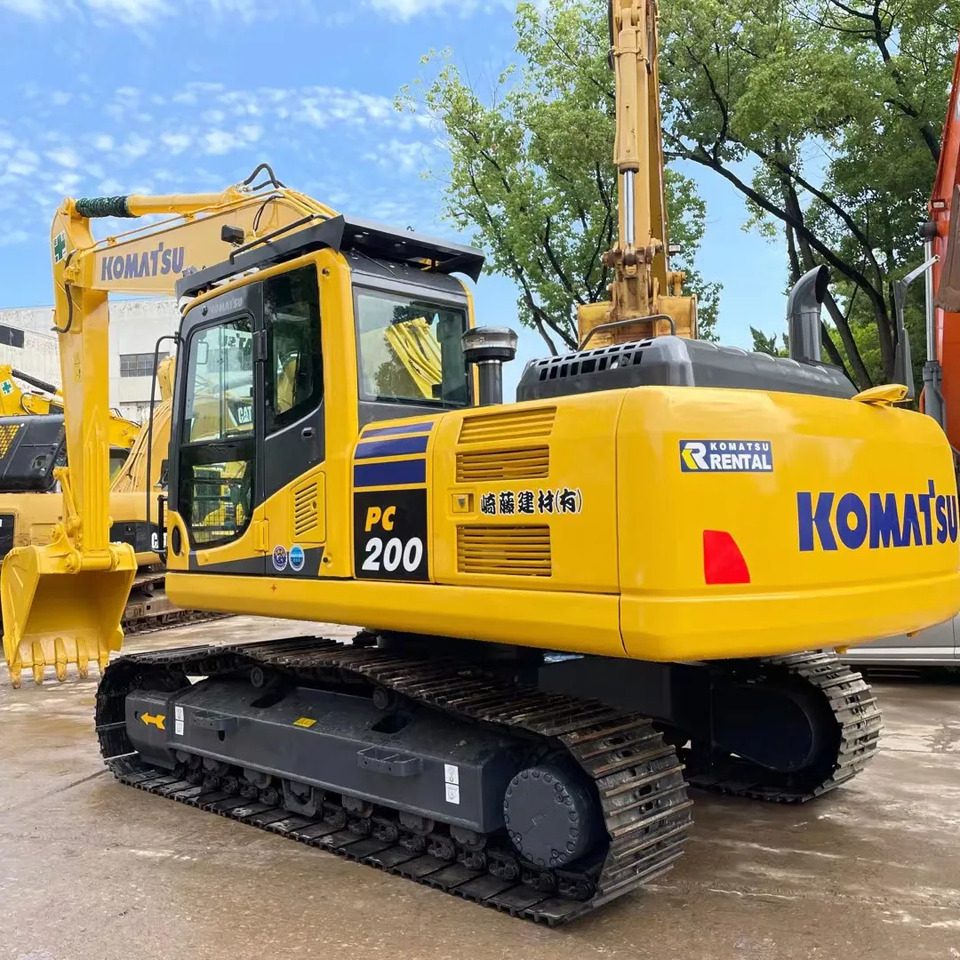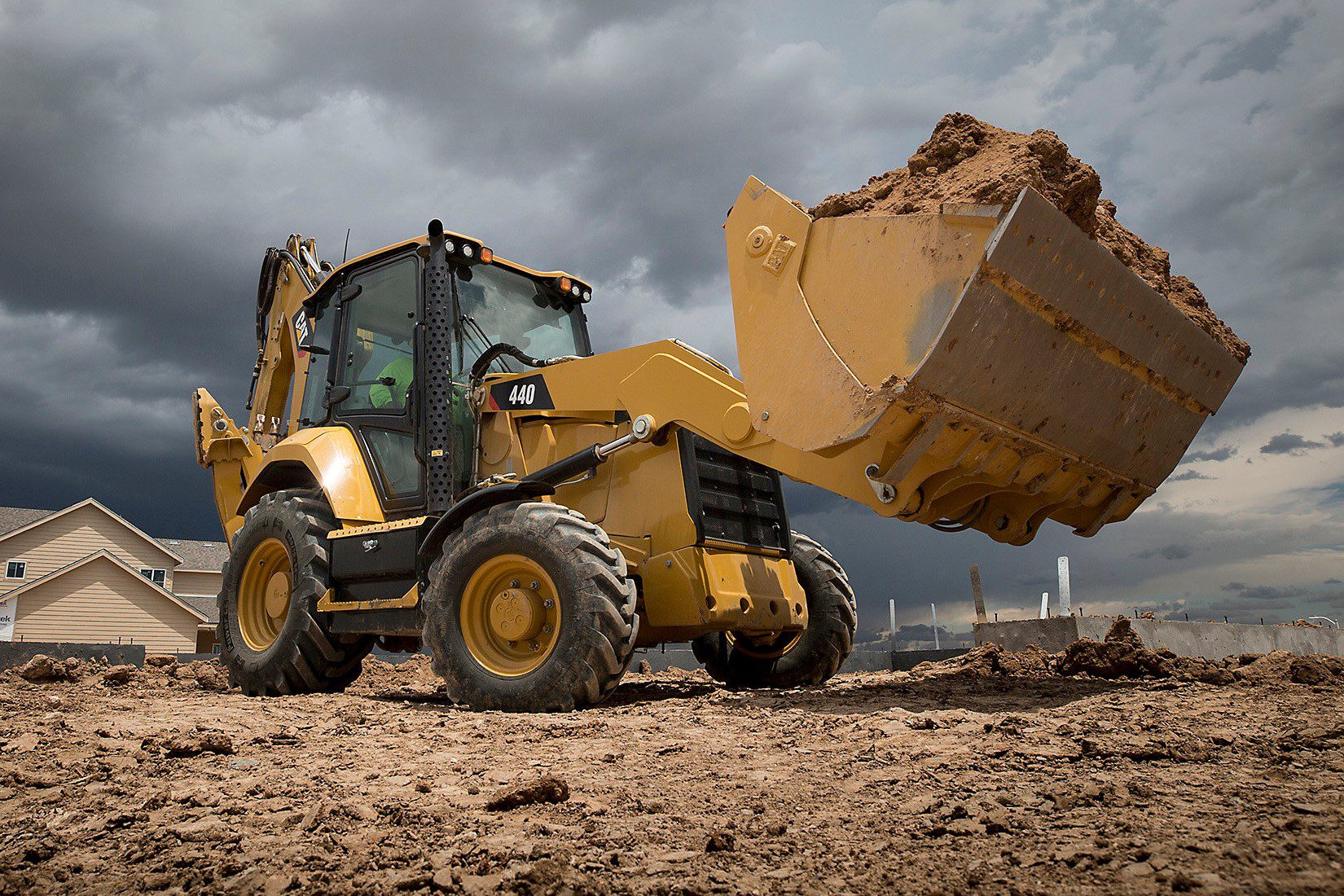
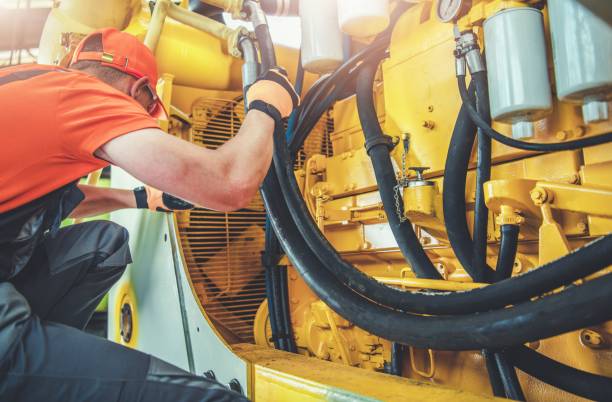
Heavy equipment is the backbone of construction projects, mining, to the port. Without his presence, work may take longer, Swell costs, even high risk for the workforce. However, no matter how strong the machine is, Heavy equipment still has a useful life and is susceptible to damage.
According to reports from several sources, downtime or cessation of operations due to heavy equipment damage can increase project costs by up to 20–30%. This fact shows that understanding the types of damage that commonly occur and how to deal with them is very important to keep the project running smoothly.
This article will discuss heavy equipment damage that is often encountered in the field, the cause, as well as solutions that can be implemented to reduce the risk of downtime.
Common Causes of Damage to Heavy Equipment
Before going into details of the type of damage, it is important to understand the cause. There are several main factors, that is:
As you get older, heavy equipment components experience wear and decrease in performance such as hydraulic leaks or less powerful engines. Because of that, Replacing spare parts according to working hours is very important to prevent major damage.
Operation beyond capacity or rough maneuvers can accelerate damage to the machine and tool structure. Untrained operators also often miss simple daily checks that should prevent problems.
- Terrain conditions
Rocky terrain, muddy, or corrosives accelerate wear and damage to the bucket, track, to the hydraulic system. Choosing the right type of tool and extra protection is the key to making the tool last longer.
- Lack of routine maintenance
Neglected service can cause small problems to develop into serious damage such as pump or bearing wear. Scheduled preventive maintenance will reduce the risk of downtime and high repair costs.
Characteristics of Damage to Heavy Equipment
The characteristics of damage that we often encounter on heavy equipment:
- Abnormal Engine Noise
There was a knocking sound, noisy, or rough noise when the engine is running. This could indicate a problem with the combustion system, injector, or internal components of the machine.
- Excessive Vibration
The tool vibrates strongly when used, usually due to damage to the undercarriage, hydraulic system, or worn components.
- Thick Exhaust Smoke
Black smoke indicates incomplete combustion (excess fuel), while white smoke can indicate a problem with the cooling system or the oil is burning.
- Performance Decreased
Energy loss device, movement slows down, or the bucket is not able to lift the load as usual.
- Dashboard Indicator Lights Up
Warning lights like oil, temperature, or the hydraulic system is on in the panel, indicates a system problem.
- Oil or Fluid Leaks
Oil spots appear, fuel, or hydraulic fluid around the unit, which can be fatal if not repaired immediately.
Types of Damage to Heavy Equipment and How to Overcome Them
Damage to heavy equipment can appear in various forms, and each requires different handling so as not to disrupt the progress of the project. To find out more, see what the damage is below :
1. Hydraulic Damage
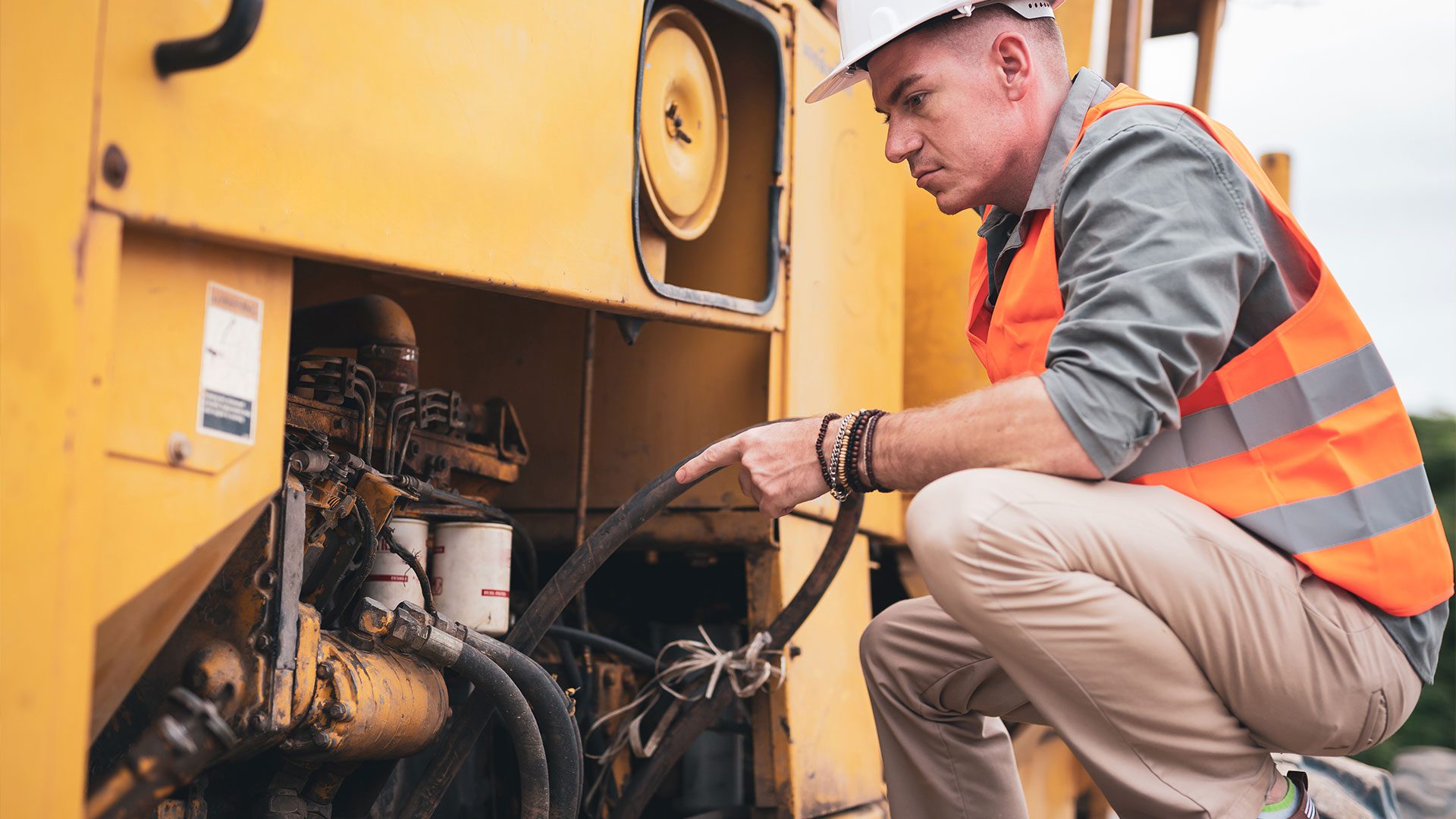
One of the most common problems is damage to the hydraulic system, for example oil leaks or weakened pressure. This is usually triggered by worn seals or cracked hoses, and the way to overcome this is to immediately replace damaged components and ensure the system is always lubricated with quality oil.
2. Machine Damage (Engine Failure)
Apart from hydraulic damage, Machine problems are also often found, such as the engine being difficult to start or losing power when in use. The cause could be dirty air and fuel filters, clogged injector, or missed periodic maintenance. The solution is to clean the filter regularly, Change engine oil according to schedule, and carry out tune-ups so that engine performance remains optimal.
3. Undercarriage Damage (Chain & Heavy Equipment Legs)
Another damage that is quite frequent is wear and tear on the undercarriage, especially on excavators or bulldozers that work in rough terrain. Components such as tracks, roller, or the sprockets can wear out quickly if they are continuously exposed to hard materials or mud. To prevent further damage, operators need to carry out daily visual inspections, Clean the track section after use, and replace worn components before they actually break.
4. Electrical System Damage
The electrical system also often causes problems, for example the starter does not work, lights off, or the indicators on the panel do not light up. This condition usually occurs due to a loose cable, short circuit due to humidity, or a weak battery. The way to overcome this is to check the cable regularly, ensure the connector is dry, and replace the battery if its capacity has decreased drastically.
5. Transmission Malfunction
Damage to the transmission is also a serious problem, characterized by gear shifts that are not smooth or even slip when the tool is working. This condition can be triggered by a lack of lubrication, wear on the clutch, or transmission oil that is not changed according to schedule. To solve it, Oil checks must be carried out regularly, Worn components should be replaced immediately, and operators should follow the usage SOP so that the load is not too heavy on the transmission system.
Tips to Prevent Heavy Equipment Damage
After knowing the characteristics, reason, to the type of heavy equipment damage, It's also a good idea to understand how to prevent heavy equipment from experiencing damage as early as possible. There are several tips that you can apply to prevent this damage, among others:
- Implement a regular maintenance schedule (daily, weekly, monthly).
- Make sure the operator has an official license (Sio/Silo).
- Use original spare parts and lubricants according to the manufacturer's recommendations.
- Choose a heavy equipment rental vendor who ensures the unit is well maintained and has gone through an inspection before being sent to the project location.
What are the impacts if the damage is not handled immediately?
Small damage left unchecked can turn into a big problem. Projects can be delayed, operational costs increase, even the risk of accidents increases. Besides that, The investment value of heavy equipment will also drop drastically because damage accelerates the decline in unit quality.
What are the Most Frequent Damages to Heavy Equipment??
Hydraulic failure and engine overheating are among the most common, because this system works continuously in the field..
How Long is the Average Use Time of Heavy Equipment??
With proper care, heavy equipment can last 10–15 years. However, Intensity of use and terrain conditions greatly influence service life.
Look for heavy equipment in prime condition and ready to use? Trust on PSU!
Damage to heavy equipment cannot be completely avoided, but can be minimized with treatment, trained operators, and selecting the right rental vendor. Understanding the types of damage and how to deal with them will make projects more efficient, aman, and cost effective.
You need ready-to-use heavy equipment, well maintained, and supported by certified operators? PT Perkasa Sarana Utama (PSU) can be the right choice. Apart from having more than experience 20 year, who have been present since 2004 as a reliable partner in various construction projects, industry, and logistics, The PSU also ensures that all units are in prime condition without damage, Ready to use, complete with mechanical support 24/7, as well as complete K3 standards and SIO/SILO legality.
Consult your heavy equipment rental needs now via:
- Call Center: (021)-8242-8055
- WhatsApp: 0812-5233-3349
- Email: rent@psualatberat.com
- Website: psualatberat.com
For other latest information updates from us, yuk follow Instagram PSU @psualatberat right now! With PSU, Your project will run smoother, aman, and efficient!