In construction project management, the decision to rent heavy equipment is a strategic step to suppress Capital Expenditure (Capex) or capital costs. However, the reality on the ground is often not as beautiful as the calculations on paper. Many contractors are experiencing budget overruns (budget overrun) not because the rent is expensive, but rather due to a lack of technical preparation before the equipment arrived at the location.
Such problems trailer carrier entangled in power cables, the unit that arrived did not match the field specifications, to disputes over damage claims at the end of the lease, is a nightmare that could have been avoided.
As a heavy equipment partner who is experienced in handling various scale projects, PT Perkasa Sarana Utama (PSU) compiled this in-depth guide as checklist mandatory for you before signing a heavy equipment rental contract.
1. Analysis of Technical Needs and Work Areas (Site Assessment)
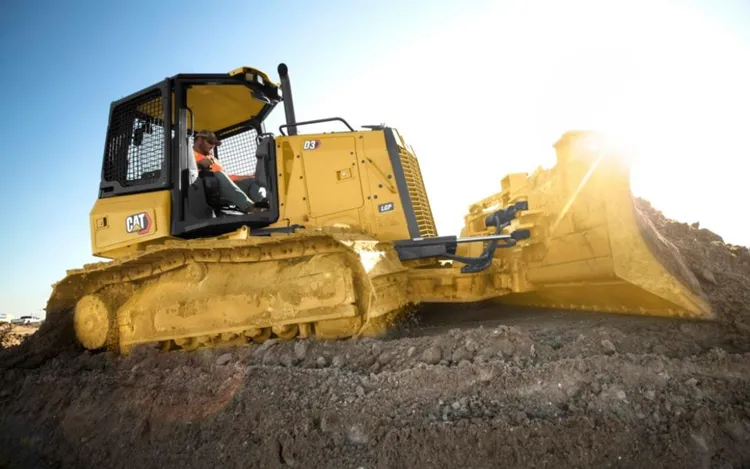
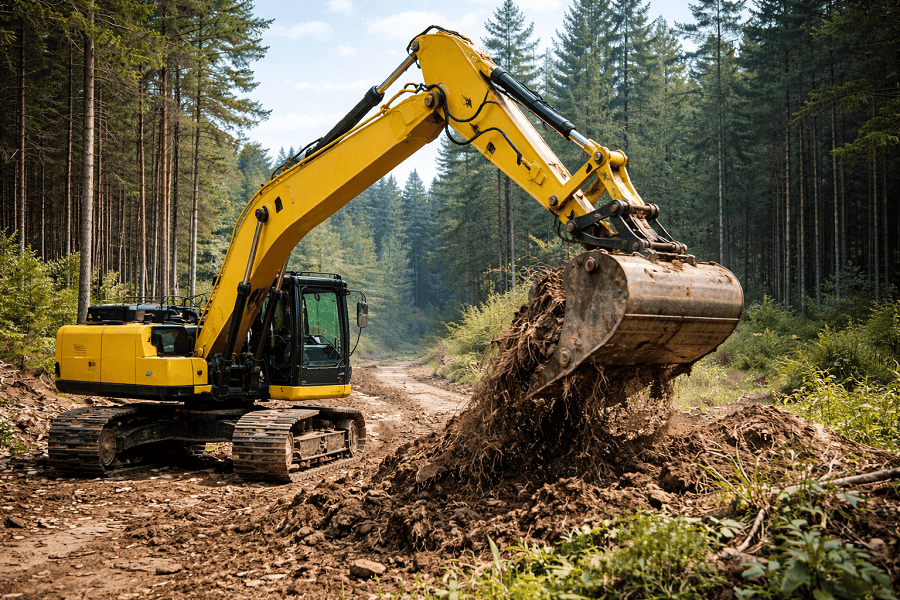
The most fatal and initial mistake is inaccurate tool specifications. Don't just order based on common names like “Excavator” or “Bulldozer”. You have to be specific according to your needs when you want to rent heavy equipment.
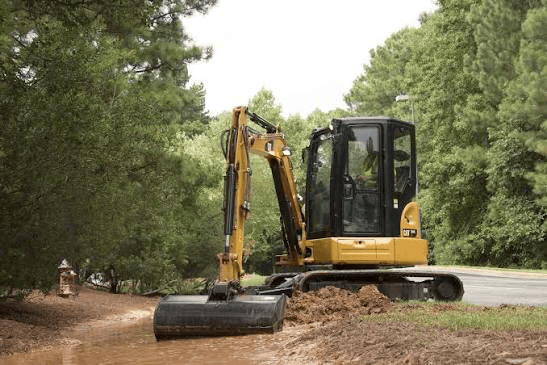
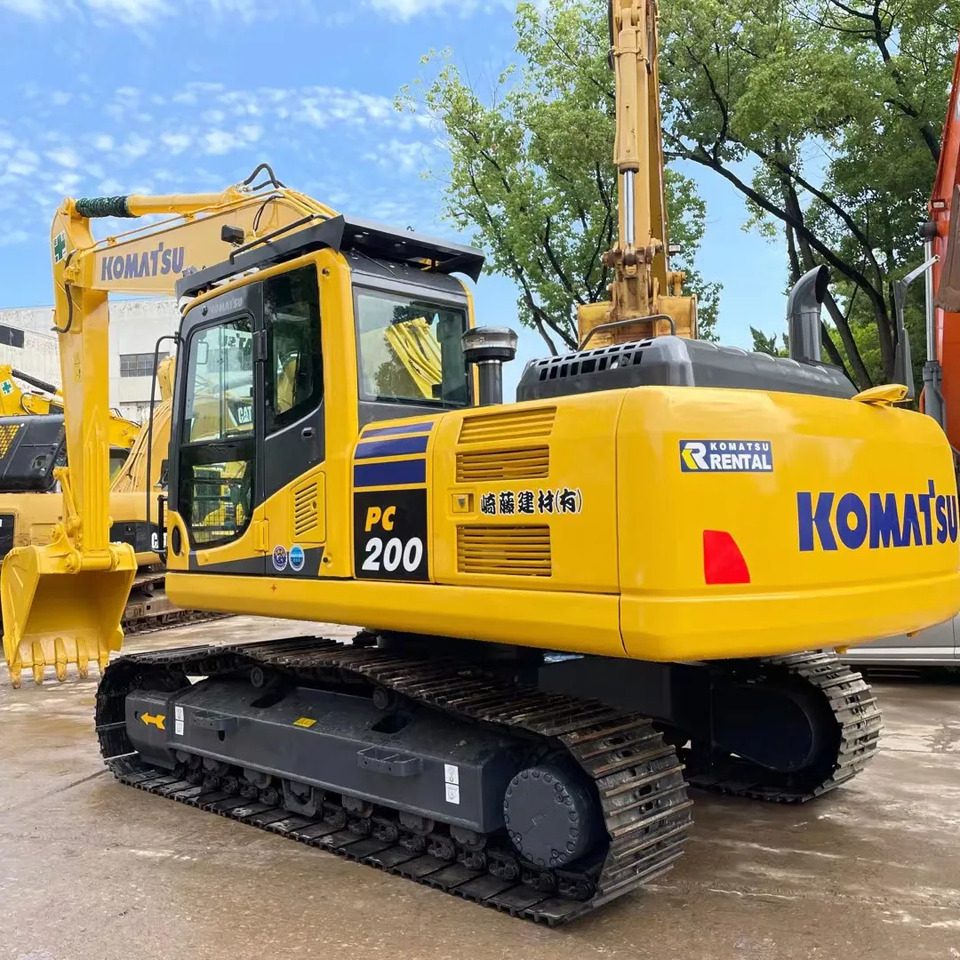
- Capacity & Dimensions: Adjust the size of the tool to the volume of work and area. Using a PC200 Excavator (20 ton) in narrow areas of dense housing it will make maneuvering difficult. On the contrary, use Mini Excavator for excavation cut & fill hectares will take too long.
- Type “Shoe” & Undercarriage: This is crucial. If your project location is peat land, property, or rice fields, Must request a unit with specifications Swamp Shoe (wide shoes) so that it doesn't collapse. If in a rocky area, ask for Standard/Rock Shoe.
- Additional Attachments: Do you just need Bucket standard? Or your project requires Hydraulic Breaker to break rocks? Or Clamshell for deep dredging? Determining this up front prevents remobilization costs to replace equipment.
2. Mobilization Access Survey (Route Survey)
Heavy equipment does not drive itself to the location, instead it was carried by a large truck (Self-Loader, Low-Bed, or Dolly). Often the tools are already rented, but cannot enter the project location.
Conduct a delivery route survey by checking the following points:
- Wide & Road Density: Is the access road wide enough for trucks? Low-Bed maneuvering around corners? Is the village road asphalt strong enough to withstand tens of tons of weight??
- Vertical Barriers (Overhead): Check the height of the flyover, PLN power cable, telephone cable, or the citizen gate portal. Excavator transport trucks have a high profile.
- Unload Area (Unloading Point): Make sure there is an area of hard, flat ground to lower the heavy equipment. Transport trucks need strong traction so they don't fall over during the process unloading.
3. Understand Fee Plans and Contracts (Cost Structure)
Agar cash flow safe project, You must understand the cost components beyond the hourly rental price.
- Mobilization Costs & Demobilization (Mob-Demob): This is the cost of shipping and picking up the equipment. Usually paid in advance (in advance) before the tool is shipped. This fee varies depending on the distance traveled.
- Minimum Charge (Minimum Hours): Heavy equipment rental generally applies a system “Minimum Jam Cas”. Example: Minimum 50 clock or 100 jam. It means, even if the tool is only used 20 jam, You still have to pay the amount 50 hours according to contract. Understand these rules so you don't get surprised when billing.
- Fuel: Generally rental prices do not include fuel. You must provide Industrial Solar (not a subsidy) on location. Calculate the fuel consumption of the tool (example: Excavator 20 tons of average consumption 15-20 liters/hour depending on workload).
4. Validate the Legality of Equipment and Operators (Compliance)
Don't risk your project with illegal tools. In BUMN or government agency projects, completeness of documents is an absolute condition of K3 audit.
- SILO (Operation Worthy Permit): Make sure the tool has a certificate of suitability from the Manpower Office or related agency that is still active (usually updated annually).
- SIO (Operator's License): Operators are required to have an SIO that is appropriate to the type of equipment (Class I or Class II). Operators without SIO are at high legal risk if a work accident occurs.
- Equipment Insurance: Ask if the tool is covered by insurance Heavy Equipment All Risk. This is important for risk mitigation in the event of a natural disaster or unexpected accident.
5. Field Logistics Preparation for Operators
Operators are key productivity partners in the field. Their well-being has a direct impact on the pace of work.
- Accommodation (Mess): If the project location is far from residential areas, the tenant must provide suitable accommodation (bed), clean water, and electricity for operators.
- Unit Security (Security): At night or when the equipment is not operating, unit security (especially vital components such as Controller/Computer Monitor, Battery/Battery, and Solar) is the responsibility of the renter. Loss of these components at the project site will be borne by the lessee.
6. Joint Inspection (Joint Inspection) During Handover
Never sign a Travel Letter or Handover Minutes (BAST) without seeing the physical tool. Perform an inspection with the operator when the new equipment comes off the truck:
- Physical Check: Note if there are any scratches, dent, cracked glass, or the lamp breaks by tools used. Photo as proof.
- Cek Hour Meter (HM): Note down the number of kilometers/working hours (HM) early. This will be the benchmark for calculating your rental bill.
- Check Fuel Level: Make sure the position of the diesel engine when it arrives, and agree on a return with the same position.
Integrated Heavy Equipment Rental Solution with PSU
Thorough preparation is half the success of a project. However, We understand that not all contractors have the time or dedicated team to take care of these technical details.
PT Perkasa Sarana Utama (PSU) present to provide solutions end-to-end. When you rent at PSU, You get more than just a tool:
- Free Technical Consultation: Our team helps you choose the most efficient unit according to your terrain.
- Unit & Operator Legal: All SILO units and SIO operators, safe for the project high-compliance.
- Mechanical Support 24/7: We guarantee the physical availability of equipment (physical availability) high with responsive mechanical support.
Don't let choosing the wrong tool get in the way deadline You. Contact us for a free quote and consultation.
- WhatsApp: 0812-5233-3349
- Email: rent@psualatberat.com
- Website: psualatberat.com
PT Perkasa Sarana Utama – Professional Partner, Safe Project, Maximum Results.