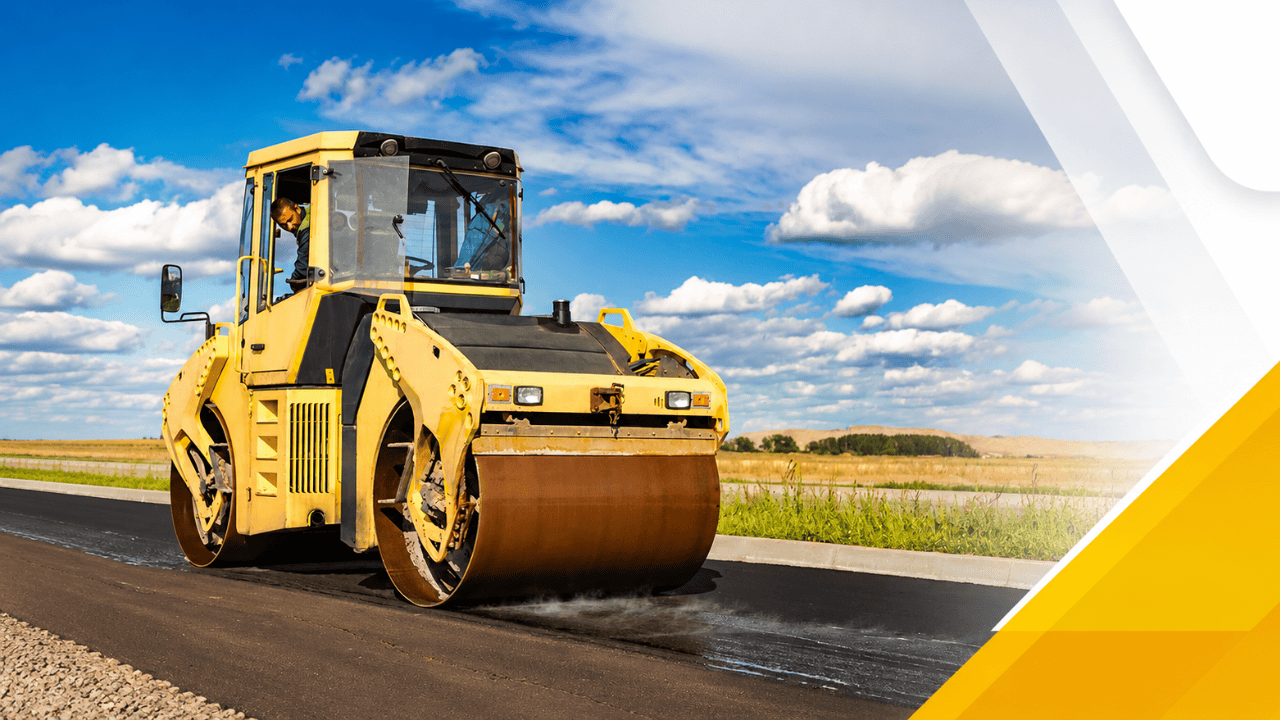

In construction projects, mining, as well as industrial work, the decision to rent heavy equipment is not just a matter of unit price. The rental system chosen will determine operational flexibility, cost control, to the level of risk during the project.
Because of that, Understanding the types of heavy equipment rental systems is important so that project owners can adapt the rental scheme to work needs, project duration, and the level of complexity of the field.
Why Heavy Equipment Rental Systems Can't Be Equalized?
Each project has a different character. There are jobs with short duration and high intensity, there are also long-term projects with stable work patterns. A proper rental system helps:
- Optimize operational costs
- Avoid wasting tool working hours
- Maintain equipment readiness in the field
- Reduces the risk of downtime
That's why professional rental providers don't just offer units, but also several rental system options.
1. Hourly Rental System
Hourly rentals are usually used for short duration jobs or non-continuous tool requirements.
Suitable for:
- Small scale civil works
- Additional or emergency work
- Projects with limited working hours
This system provides high flexibility, but it requires strict monitoring of working hours to keep costs under control.
2. Daily Rental System
On a daily rental system, heavy equipment is used for one full working day according to agreed operating hours.
Generally used for:
- Light to medium construction work
- Projects with a duration of several days
- Activities that require tools regularly but are short
Daily rentals provide a balance of flexibility and cost efficiency for short-term jobs.
3. Monthly Rental System
Monthly rent is the most commonly used system in large construction and mining projects.
The advantages of this system:
- Costs are more stable and predictable
- Equipment is fully available during the rental period
- Suitable for continuous work
This system is ideal for projects that require heavy equipment consistently over a long period of time.
4. Heavy Equipment Rental System with Operator
In this system, heavy equipment for rent complete with certified operators. This system is often chosen to maintain work safety and efficiency.
Main advantage:
- The operator understands the character of the tool
- Lower risk of operational errors
- Productivity is better maintained
For project owners who want to focus on work results without managing heavy equipment human resources, this system is a practical choice.
5. Operatorless Heavy Equipment Rental System
The unit rental only system is used when the renting company has its own operator.
In this scheme, Rental providers only provide heavy equipment, while the operation of the unit is fully handled by the tenant's internal operator in accordance with the work standards applicable to the project.
Usually chosen by:
- Big contractor
- Mining company with in-house team
- Projects with specific operator standards
This system provides flexibility in HR management, but operational responsibility lies entirely with the lessee.
6. Integrated Rental System with Mobilization
In this system, Heavy equipment rental includes the process of mobilizing and demobilizing the unit to the project location.
It means, Rental providers don't just provide tools, but also arranges the delivery of heavy equipment to the work site as well as the recall of the unit after the work is completed, so renters do not need to manage equipment transportation separately.
Added value to this system:
- Coordination is simpler
- Delivery schedule is more controlled
- Lower risk of delays
An integrated approach is especially helpful for projects with remote locations or limited access.
Determining the Right Rental System for the Project
You should consider choosing a rental system:
- Project duration and scale
- Intensity of tool use
- Availability of internal operators
- Project location and access
- Time and budget targets
The right systems help projects run more efficiently and minimize operational risks.
Heavy Equipment Rental System and Approach Used by PSU
In practice, the heavy equipment rental system needs to adapt to project work patterns, rather than simply following a standard rental format. Duration difference, intensity of use, and operational requirements mean each project requires a different approach.
The rental system approach implemented by PT Perkasa Sarana Utama designed to answer these needs through the following main points:
- Flexible rental duration options
PSU provides an hour-based rental system for short-term jobs, as well as monthly rentals for construction and mining projects that require equipment on an ongoing basis. - Rental options with or without operator
The rental system can be adjusted to suit the project's HR conditions. For certain needs, PSU provides certified operators so that equipment operations run more safely and efficiently. - Managed mobilization and demobilization
Rental services may include delivery and towing of equipment to the project site, so clients don't need to arrange separate logistics vendors. - The fleet is in working condition
Units rented through PSU are routinely maintained and prepared before being sent to the project site, to minimize the risk of operational disruption.
With this approach, The heavy equipment rental system is not just an administrative agreement, but part of a cost control strategy, time, and project risks in the field.
If you are determining a heavy equipment rental system that suits your project needs, you can contact the PSU team to discuss rental scheme options, unit, and operational support most relevant to your work.