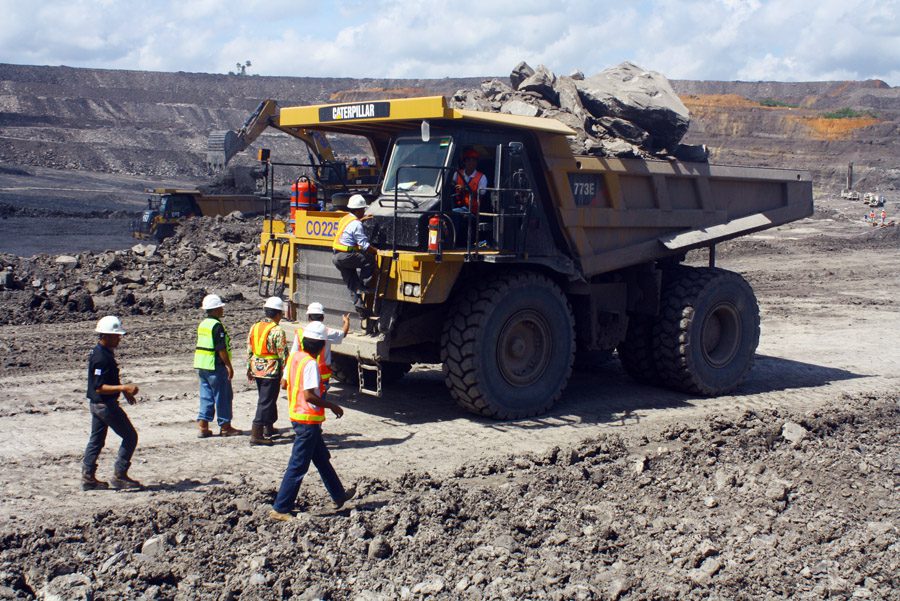
Heavy equipment operator competency is not only related to the ability to operate an excavator, bulldozer, wheel loader, or other units. Professional operators also need to understand the characteristics of the tool, implement work safety procedures, carry out an examination before surgery, and able to adapt operations to terrain conditions and project needs.
In construction work, mining, and infrastructure projects, This ability plays an important role in maintaining work safety as well as helping work run more effectively. Then, What competencies must a professional heavy equipment operator have??
7 Professional Heavy Equipment Operator Competency
The following are several important competencies that a heavy equipment operator needs to have in order to carry out work safely and according to project needs.
1. Able to operate heavy equipment according to procedures
The most basic competency is the ability to operate heavy equipment according to applicable functions and work procedures. The operator must understand how to operate the unit, organize movement, using controls, and operate attachments according to the type of work.
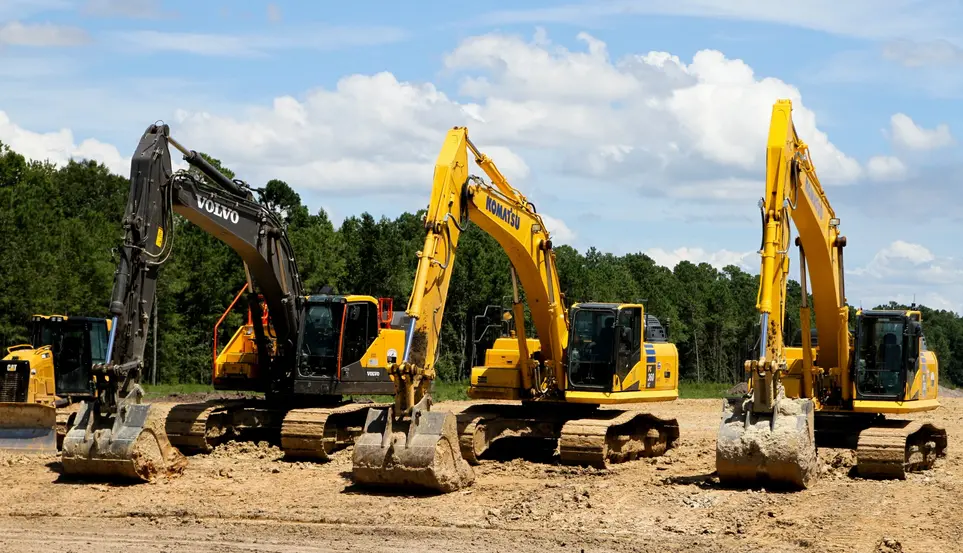
Each type of heavy equipment has different characteristics and operating methods. Operator excavator, for example, need to understand boom operation, arm, bucket, as well as unit movement when excavating or moving material.
This ability needs to be supported by an understanding of work instructions and SOPs so that equipment operations can be carried out correctly and safely.
2. Understanding the Functions and Characteristics of Heavy Equipment
Professional operators need to know the capabilities and working limits of the units used. This understanding includes the function of the tool, work capacity, attachment characteristics, as well as suitable terrain conditions for operation.
This knowledge helps the operator determine the proper way of working without pushing the tool beyond its operational capabilities. Choosing an appropriate work method can also help maintain productivity while reducing the risk of unit damage.
3. Able to carry out examinations before surgery
Before heavy equipment is used, The operator needs to ensure that the unit is ready to work. Inspection can be carried out through visual checks and important parts according to unit procedures.
Some things that can be checked include the condition of the tires or track, hydraulic system, oil and fluid levels, attachment, braking system, as well as other operating components according to the type of tool.
Pre-operation inspection helps operators determine the condition of the unit and identify any problems that have the potential to disrupt work.
4. Understanding and Implementing K3
Work safety is an important part of the competency of heavy equipment operators. Operators must understand the potential dangers in the work area and carry out K3 procedures before and while operating the unit.
Implementation of K3 includes the use of personal protective equipment according to project provisions, Pay attention to the conditions around the unit, keep a safe distance from other workers, and follow communication and tool movement procedures in the work area.
By implementing good K3, the risk of accidents during heavy equipment operation can be minimized.
Read too: K3 Signs in Construction Projects: Type, Arti, and its function
5. Able to Read Work Field Conditions
Field conditions can vary from one project to another. Operators need to be able to recognize ground conditions, slope of the area, workspace, obstacles around the unit, as well as potential risks during operation.
The ability to read terrain helps operators determine appropriate operating techniques. For example, operating a bulldozer in an area with certain ground conditions requires different attention than working on a relatively flat and stable surface.
Operators also need to pay attention to surrounding conditions before carrying out maneuvers so that work does not disturb workers, structure, and other equipment in the project area.
6. Understand Basic Maintenance and Inspections
Operators do not always serve as mechanics, but understanding basic care remains important. With this competency, Operators can recognize abnormal unit conditions from the start and report them to the relevant parties.
Regular inspections also help ensure tools remain in a condition suitable for use. If any indication of damage or interference is found, the operator can stop operations according to procedures and convey the information to the technician or supervisor.
7. Able to Communicate and Coordinate in the Field
Heavy equipment operation generally involves an operator, supervisor, technician, field workers, to project management. Because of that, the ability to communicate and coordinate is an important part of an operator's job.
Operators need to understand work instructions and be able to communicate with personnel around the operating area. Good coordination helps reduce misunderstandings when the tool is maneuvering, move materials, dig, flatten the ground, or carry out other work.
Why Heavy Equipment Operator Competency is Important?
The operator is one of the factors that influences how heavy equipment is used in the field. Units with large capacities still require operators who understand how to operate, tool capability limits, terrain conditions, and safety procedures.
Good competency also helps work to be carried out in a more focused manner. Operators can adapt operating methods to project conditions while paying attention to personnel safety and unit conditions.
For construction companies or project owners, Using operators who have competence according to the type of equipment and work can be part of efforts to maintain smooth operations in the field.
Heavy Equipment Operator Competency and Certification
Competence heavy equipment operator can be related to the type of tool and level of competency possessed. The government, through the Directorate General of Construction, lists various heavy equipment operator positions along with references to competency standards.
For example, there is a Bulldozer Operator department, Operator Wheel Excavator, Operator Wheel Loader, Operator Backhoe Loader, as well as several other equipment operators. Each can have different competency standard references and levels.
Because competency requirements can differ based on the type of tool, work, and applicable provisions, Companies should ensure that operators have the appropriate competencies for the work to be carried out.
How to Choose a Competent Heavy Equipment Operator
If you need an operator to support project work, the following things can be taken into consideration.
Match Competencies to the Type of Tool
Make sure the operator has the ability to operate the type of unit used. Experience operating one type of equipment does not automatically mean that the operator has mastered all types of heavy equipment.
Pay Attention to Field Experience
Experience helps operators deal with diverse field conditions. However, experience should still be supported by an understanding of SOPs and work safety procedures.
Make sure you understand K3
Operators need to understand work safety procedures and be able to apply them during equipment operation. This is especially important on projects with a lot of activity and personnel around the work area.
Check for Relevant Competencies or Certifications
For certain jobs, check applicable competency and certification requirements or SIO, according to the type of tool and field of work.
Make sure you are able to coordinate with the team
Operators do not work alone. Ability to follow instructions, communicate with supervisors, and coordinating with other workers can help the job run more orderly.
Heavy Equipment Operator Competency FAQ
What are the competencies of heavy equipment operators??
Heavy equipment operator competency includes the ability to operate the unit according to procedures, understand the function and characteristics of the tool, carry out an examination before surgery, implement K3, read terrain conditions, understand basic care, as well as communicating and coordinating in the field.
Do heavy equipment operators have to be certified??
Competency or certification requirements may vary based on tool type, department, work, and applicable provisions. Because of that, requirements need to be adjusted to the type of work and units used.
Why heavy equipment operators must understand K3?
Understanding K3 helps operators recognize potential hazards and carry out safe work procedures during equipment operation. K3 is also an important part of heavy equipment operator competency.
Does the operator have to understand heavy equipment maintenance?
Of. Operators need to understand basic inspection and maintenance according to unit procedures. The aim is that the condition of the equipment can be monitored and indications of problems can be identified and reported before work continues.
Is experience alone enough to become a professional operator?
Experience is an important factor, but operator competence also includes technical knowledge, operating capabilities, implementation of K3, tool inspection, and the ability to follow SOPs and work instructions.
Need Heavy Equipment and Operators for Your Project? PT Perkasa Sarana Utama (PSU) The solution!
If you need heavy equipment to support construction work, land processing, infrastructure, and other project needs, PT Perkasa Sarana Utama (PSU) ready to help provide heavy equipment units according to work needs.
With experience of more than 19 years in the heavy equipment rental and logistics industry, PSU provides a wide selection of heavy equipment with regular maintenance and support from experienced operators to help work in the field run more optimally.
Quick contact the PT Perkasa Sarana Utama team now to get the best offers and unit availability information.
WhatsApp: 0812-5233-3349
Email: rent@psualatberat.com
Website: psualatberat.com