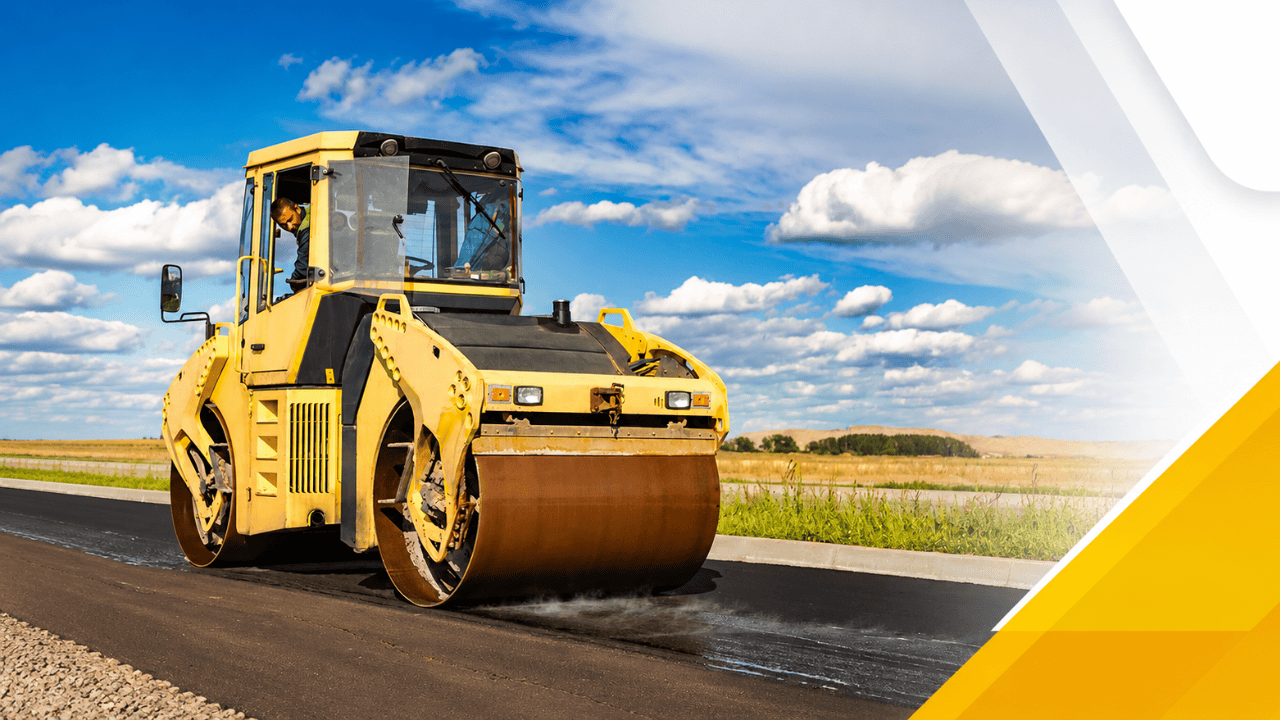

If you have ever been involved in a project that required heavy equipment, You definitely know what it's like to face mobilization challenges. Equipment that weighs tons of tons cannot be moved by ordinary vehicles. Just one small mistake can throw a schedule into disarray or even damage expensive equipment.
In the field, many teams ultimately choose the practical way. They use Self Loaders because this vehicle is able to handle the lifting and loading process without the help of additional equipment. Working time is shorter, the risk of accidents can be reduced, and mobilization feels much simpler. Its presence means that work that previously required several support units can be reduced to just one truck.
Mobilizing heavy equipment always requires special vehicles because of the weight, size, and its vulnerabilities. Stability, deck strength, and security systems are non-negotiable.
What is a Self Loader? Definition and Main Components
Self Loader is a truck equipped with a hydraulic crane so that it is able to lift and raise loads onto its own deck. Different from towing trucks or lowbed trailers, The lifting function is embedded in one vehicle unit so it is more compact and efficient.
Some important parts that make it work well include:
- Hydraulic boom or crane both knuckle boom and telescopic boom types.
- Special deck or tub as a place to put heavy equipment.
- System hydraulic which moves the entire lifting mechanism.
- Outriggers or stabilizers to maintain balance when the boom is operated.
- PTO (Power Take Off) connecting truck engine power to the hydraulic pump.
- Truck chassis which determines the carrying capacity and strength of the structure.
- Winch dan load chart to ensure load distribution remains safe.
Boom components, deck, hydraulic system, stabilizer, PTO, and the chassis work complementarily so that the truck remains stable when lifting and transporting loads.
Functions and Advantages of Using a Self Loader
In a real project, Self Loaders are usually used for three main needs.
- First, mengangkut alat berat kecil hingga menengah seperti mini excavator, compactor, or a skid steer whose weight is in the range 1 until 8 ton.
- Second, moving large materials such as generators, factory machines, steel pipe, or structural panels.
- Third, reduces logistics costs because it does not require additional cranes.
The operational benefits are quite pronounced. Loading and unloading times can even be faster 40 until 60 percent compared to other methods.
Self Loaders can also maneuver in narrow project areas making access easier. Hydraulic stabilization helps reduce the risk of accidents. Besides that, the number of operators required is also reduced.
Types of Self Loaders in Industry
Each project requires a different type of Self Loader. Here are some commonly used ones:
1. Knuckle Boom Self Loader
This type has a folding movement so that you have more freedom to work in narrow areas or tool positions that are difficult to reach.
2. Telescopic Boom Self Loader
The boom can extend straight out making it suitable for longer lifting distances or load points positioned in the same direction.
3. Self Loader Tilt atau Slide Bed
Usually used for small vehicles, forklift, or light equipment because the deck can tilt or shift.
4. Crane Bed Combo
Combine a strong deck with a medium capacity crane for heavier jobs.
The main difference between knuckle boom and telescopic boom lies in their movement. The knuckle boom is more flexible thanks to the folding action, while the telescopic boom excels in its longer straight reach.
How Self Loaders Work
Sistem kerjanya bergantung pada tekanan hidrolik yang menggerakkan boom melalui hydraulic cylinder. Energy for the hydraulic pump comes from the PTO connected to the truck engine.
The sequence of operations is usually as follows:
- Position the truck on a stable surface.
- Lower the outriggers to increase balance.
- Lift loads according to the load chart.
- Place the load on the deck.
- Tie the load with a chain binder or ratchet strap.
- Travel to the destination location.
Stability is affected by the working radius of the boom, lifting angle, center of gravity of the payload, and the safe limit of SWL or Safe Working Load.
Self Loader Applications in Various Industries
The practicality of Self Loaders makes them widely used in various sectors.
- Construction
Moving mini excavator, stamper, baby roller, or a small mixer.
- Manufacturing
Lifting molding machine, production machine, industrial electric motor, and generator.
- Mining
Moving portable equipment, pipe lives, small pump, and field test units.
- Logistics and Warehousing
Transport heavy pallets that a forklift can't reach.
- Events and Installations
Rigging for stage, lighting, to the event structure.
How to Choose a Self Loader for Your Project
Every project has different needs, so the selection needs to consider several important things.
- Carrying capacity: Adjust the crane capacity to the weight of the equipment. Tool 3 tons, it is best to use a crane 3 until 5 ton, while tools 6 tons safer with a crane 8 ton.
- Boom reach: For lifting distance 4 until 12 meter, The type of boom greatly influences work effectiveness.
- Boom or deck type: Knuckle booms are suitable for narrow areas. Telescopic boom is more appropriate for long reach. Tilt or slide beds are ideal for light vehicles.
- Truck chassis: Colt Diesel Double is sufficient for capacity 3 until 5 ton. Larger loads require a truck or heavy duty unit.
- Project route: Narrow road access, high climb, or long distance travel requires adjustments to chassis selection and lifting capacity.
- Operator competency: Operators must understand load charts, SWL, and load securing techniques to ensure safe operations.
Rent a Self Loader from the Right Vendor, Project Mobilization Becomes Faster
PSU has become a partner for various national contractors for heavy equipment mobilization needs. Following are several advantages that make PSUs trusted in infrastructure projects, manufacturing, to industrial installations.
Reservations can be made via
- Call Center: (021) 8242 8055
- WhatsApp: 0812 5233 3349
- Email: rent@psualatberat.com
- Form Online: psualatberat.com
The PSU team will adjust the unit selection to your project needs, starting from capacity 3 tons to 8 ton. Visit psualatberat.com for a free consultation and get the best Self Loader rental quote for your project needs.