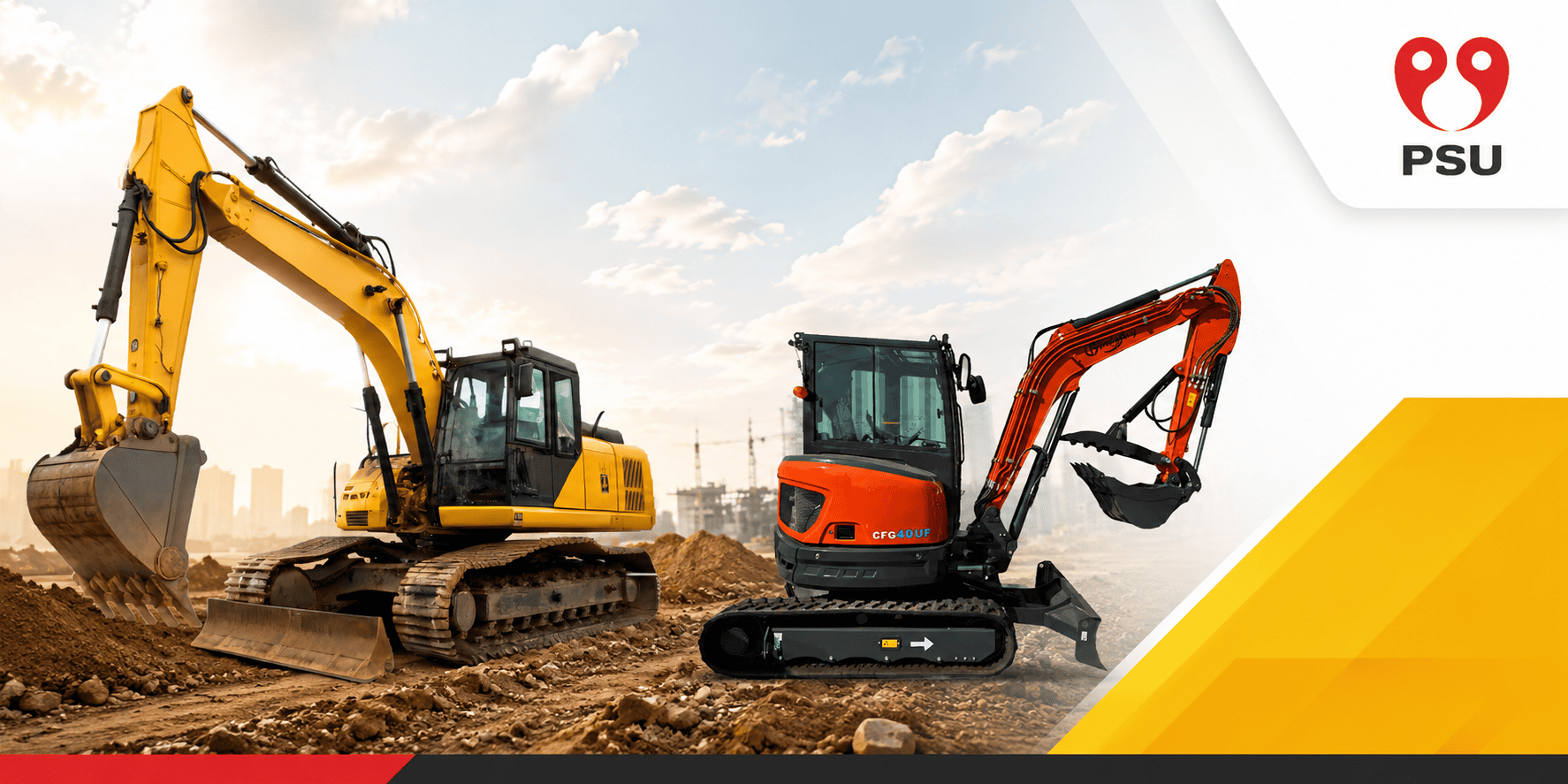
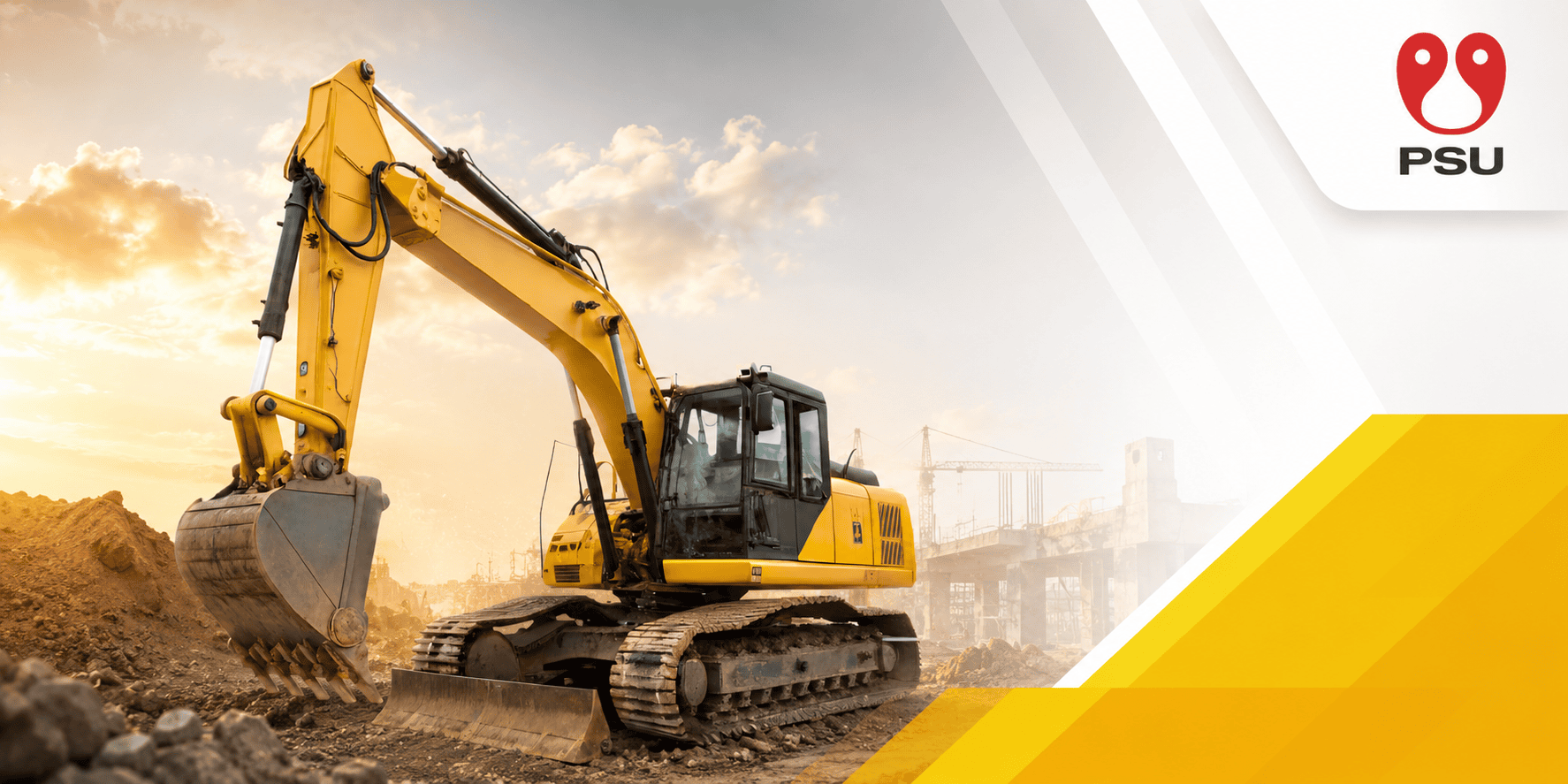
Excavators are one of the heavy equipment most widely used in construction projects, mining, plantation, to infrastructure work. His ability to dig, move materials, and performing various jobs with the help of attachments makes this tool an important investment for any project.
However, buying an excavator requires a lot of money. Therefore, Many contractors and companies choose excavator rental services to be more efficient in terms of budget and at the same time obtain a unit that suits project needs.
So you don't make the wrong choice, The following are tips for choosing an excavator that can help you get the right unit.
Why Choose Excavator Rental?
Renting an excavator provides various benefits compared to buying a new unit, especially for projects with a certain duration.
Some of the benefits that can be obtained include::
- Does not require a large initial investment.
- Maintenance and service costs are borne by the provider.
- Can choose units according to the needs of each project.
- More flexible if you need different tool capacities.
- Obtain heavy equipment that is well maintained and ready to work.
Because of that, Excavator rental services are becoming a more economical solution for many construction companies.
Tips for Choosing an Excavator According to Project Needs
1. Understand the Type of Work to Be Done
The first thing to pay attention to is the type of work in the field.
For example:
- Excavation of building foundations
- Land clearing
- Construction of drainage channels
- Mining work
- Material transportation
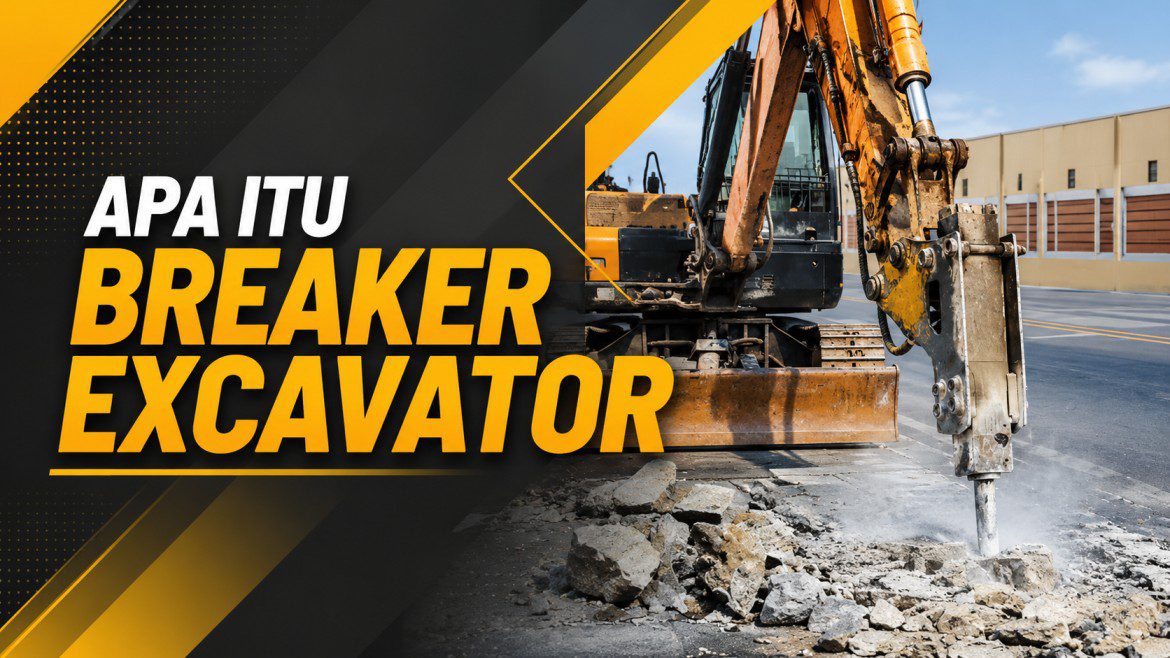
- Dismantling of structures using a hydraulic breaker
Each job requires different excavator specifications. Don't just choose based on rental price, but adjust it to the function of the tool to make the work more efficient.
2. Adjust the Excavator Size to the Project Scale
The size of the excavator greatly influences work productivity.
As an illustration:
- Mini Excavator suitable for residential projects, narrow area, and utility work.
- Middle class excavator ideal for building projects, road, and industrial areas.
- Big excavator used in mining, quarry, as well as work with high excavation volumes.
Using a unit that is too large can increase operational costs, while units that are too small can slow down project completion.
3. Pay attention to terrain conditions
Each project location has different characteristics.
For example:
- Muddy soil is more suitable for using a crawler excavator.
- Urban areas with asphalt surfaces can use wheel excavators.
- Narrow locations require an excavator with a small turning radius.
Selecting a unit based on terrain conditions will increase productivity while reducing the risk of the equipment experiencing problems when operating.
4. Calculate Work Volume
Work volume is an important factor in determining bucket capacity and excavator size.
The larger the excavation volume, The greater the equipment capacity required so that the project completion target can be achieved on schedule.
Doing calculations from the start also helps avoid additional rental costs due to work duration that is longer than planned.
5. Make sure the attachments match your needs
Excavators can be fitted with various attachments to expand their functions, like:
- Hydraulic Breaker
- Auger
- Grapple
- Clamshell
- Ripper
If the project requires special work, make sure the rental provider has the appropriate attachments so you don't have to rent additional equipment.
6. Check the condition of the unit before use
Before the tools are sent to the project site, carry out an inspection of the condition of the unit, among others:
- System hydraulic
- Bucket
- Track or tire
- Machine
- Lights and indicator panels
- Oil leak
A well-maintained unit will minimize the risk of downtime during the project.
7. Choose an Experienced Rental Provider
Apart from the quality of the unit, The reputation of the provider company is also very important.
Choose a company that offers:
- The unit is complete and ready to use
- Experienced operators (if needed)
- Technician support
- Quick response if problems occur
- Clear administration process
PT Perkasa Sarana Utama (PSU) has experience in assisting with various project work through heavy equipment rental including excavators with experienced and certified operators.
Mistakes that often occur when renting an excavator
Some mistakes that are often made include::
- Only consider the cheapest rental price.
- Does not calculate work capacity.
- Wrong choice of excavator size.
- Ignoring project terrain conditions.
- Not checking the condition of the unit before use.
- Do not consult with the heavy equipment provider.
Avoiding these mistakes can help save costs while increasing project productivity.
Conclusion
Choosing the right excavator is not just a matter of tool capacity, but you also have to consider the type of work, field conditions, project volume, to the availability of the required attachments. By following various tips for choosing an excavator on, You can get the most suitable unit so that the work becomes more efficient, aman, and cost effective.
If you are still unsure about deciding Excavator type the most suitable for your project, entrust your heavy equipment rental needs to PT Perkasa Sarana Utama (PSU). PSU provides a wide selection of excavators in prime condition, ready to use for construction projects, infrastructure, mining, or other work, and supported by a professional team who is ready to help you choose the best unit according to your needs.