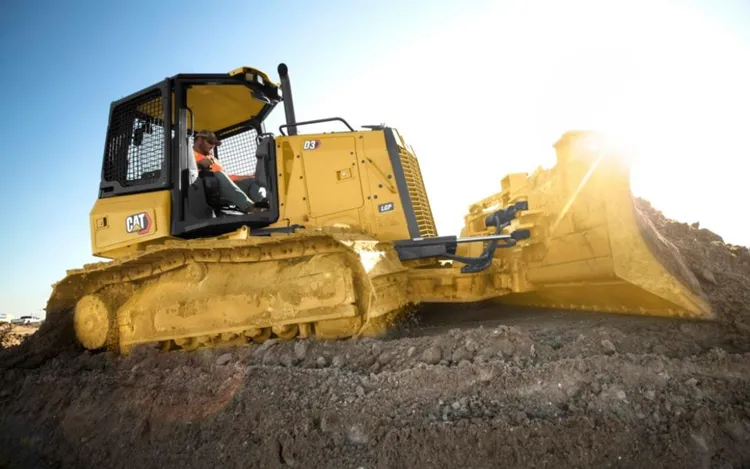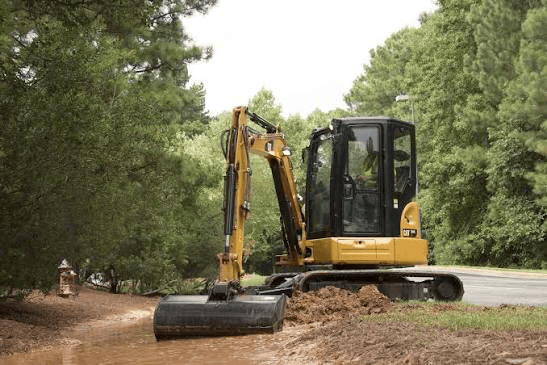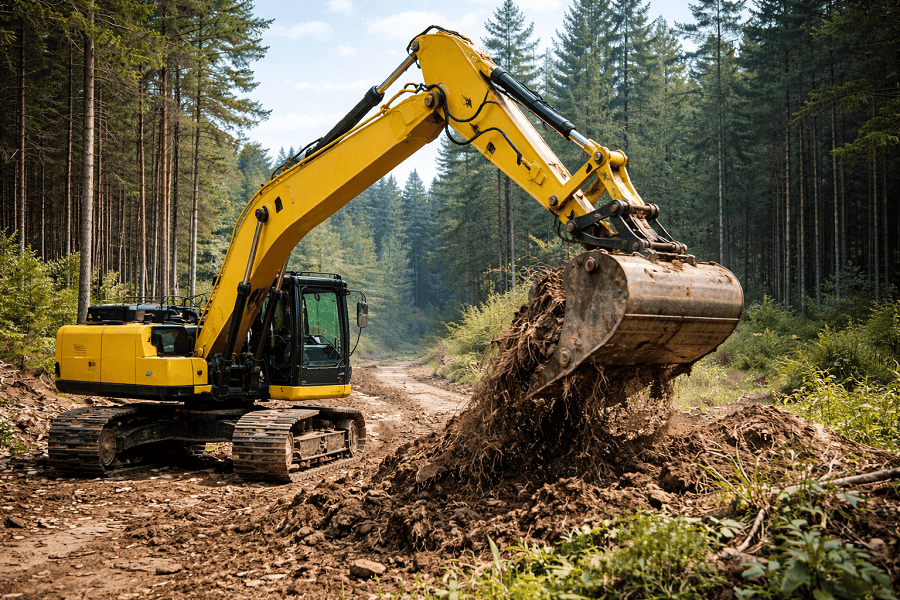
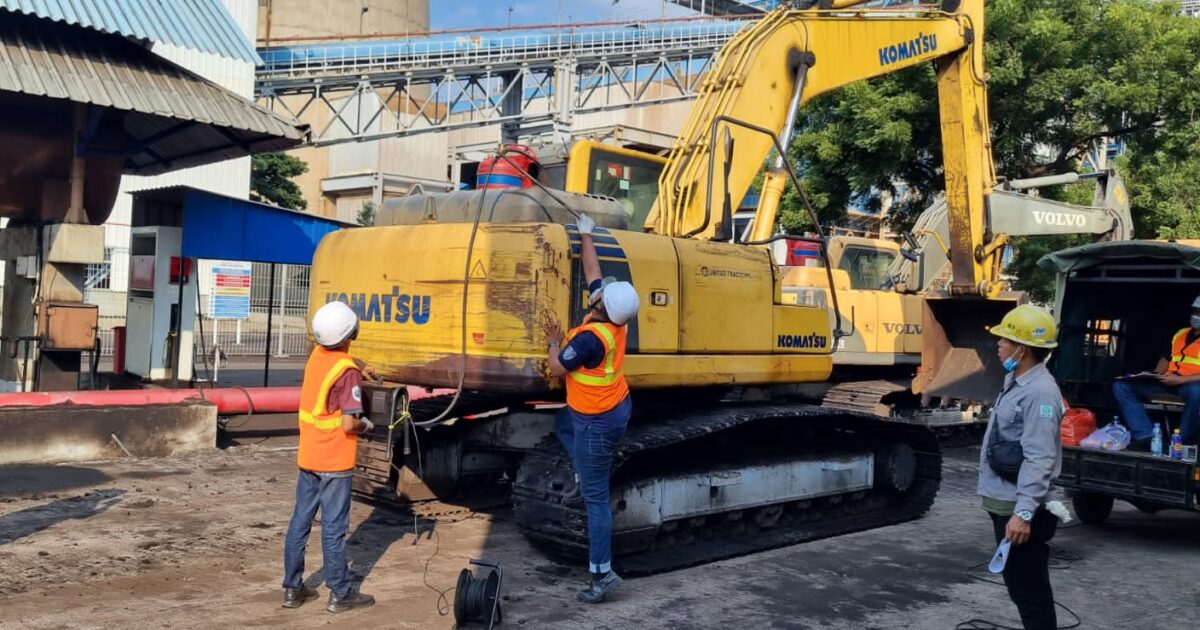
In various construction projects, mining, and plantations, Heavy equipment is an important component that supports smooth operations. Excavator, bulldozer, wheel loader, until dump trucks work almost every day to move materials, dig the ground, or support the production process.
But behind its big role in development, Heavy equipment also produces exhaust emissions which can impact air quality. That's why the government sets exhaust gas emission standards as part of its efforts to protect the environment while ensuring that industrial activities continue to run responsibly.
Sadly, There are still many business actors who do not fully understand this rule. Whereas, Non-compliance with emissions standards does not only impact the environment, but can also create legal risks, administrative sanctions, to operational losses.
This article will discuss more clearly the exhaust gas emission standards for heavy equipment in Indonesia, type of pollutant produced, impact, as well as the risks if these rules are violated.
What are Heavy Equipment Exhaust Gas Emission Standards?
Exhaust gas emission standards are the maximum limit of pollutant content that is allowed to escape from the engine into the air. This rule is implemented to control the level of air pollution originating from vehicles and industrial machines, including heavy equipment.
Most heavy equipment uses diesel engines because they have large power and high efficiency for heavy work. However, diesel engines also produce several types of pollutants which have the potential to pollute the air if not controlled properly.
Some of the main pollutants produced from diesel engines include:
- Carbon monoxide (CO): Poisonous gas produced from incomplete combustion of fuel.
- Nitrogen Oxide (NOx): Gases are formed at high combustion temperatures and contribute to the formation of smog (smog).
- Hydrocarbons (HC): Compounds derived from fuel that does not burn completely.
- Particulate Matter (PM): Very small particles that can enter the respiratory system and impact human health.
Emission standards are set to limit the amount of these pollutants so that they do not exceed levels that are considered safe for the environment and health.
Regulation of Heavy Equipment Emission Standards in Indonesia
In Indonesia, Regulations regarding vehicle and industrial machine emissions are under the supervision of several government agencies, especially the Ministry of Environment and Forestry and the Ministry of Transportation of the Republic of Indonesia.
These two agencies play a role in establishing policies and supervising the implementation of emission standards in various industrial sectors.
In general, This regulation covers several main things:
- Determination of exhaust gas emission quality standards
- Supervision of industrial machine operations
- The company's obligation to keep emissions within permitted limits
The main aim of this regulation is to ensure that development activities continue without causing excessive environmental impacts.
Diesel Engine Emission Standards for Heavy Equipment
Diesel engine emission standards for heavy equipment in various countries usually refer to international standards such as Euro emission standards or similar regulations that regulate maximum pollutant limits..
Indonesia is also starting to adopt a similar approach by adjusting domestic industrial conditions.
These standards generally regulate maximum limits for several main components, like:
- Nitrogen oxide (NOx)
- Carbon monoxide (CO)
- Hydrocarbons (HC)
- Particulate matter (PM)
To meet these standards, Heavy equipment manufacturers have developed a variety of technologies designed to reduce diesel engine emissions. Some of these include:
- Diesel Particulate Filter (DPF): Works to filter fine particles before being released into the air.
- Catalytic Converter: Helps convert harmful gases into safer compounds.
- More efficient combustion system: Modern engine technology allows fuel to burn more completely so that the resulting emissions are lower.
With the development of this technology, The latest generation of heavy equipment generally has lower emission levels than older machines.
Types of Pollutants Produced by Heavy Equipment
Diesel engines produce various types of pollutants that can affect air quality. Some of them have a direct impact on human health and the environment.
The following are several types of main pollutants that are often found in heavy equipment emissions:
- Carbon monoxide (CO)
Carbon monoxide is a colorless and odorless gas. This gas can interfere with the blood's ability to carry oxygen throughout the body if inhaled in large quantities. - Nitrogen Oxide (NOx)
Nitrogen oxide is formed due to the reaction between nitrogen and oxygen at high temperatures in the diesel engine combustion process. This gas can contribute to the formation of smog and air pollution in cities. - Sulfur Dioxide (SO₂)
This gas comes from the sulfur content in diesel fuel. In the long run, Sulfur dioxide can cause acid rain which impacts the environment. - Particulate Matter (PM)
Fine particles produced from burning diesel can enter the human respiratory system. In the long run, exposure to these particles can increase the risk of respiratory problems.
Impact of Heavy Equipment Emissions on the Environment and Health
Emissions from diesel engines can have several impacts on the environment and human health, especially if the numbers are out of control.
- Decreased Air Quality
Operating large amounts of heavy equipment can increase the concentration of pollutants in the air, especially in construction or mining project areas. - Health problems
Exposure to pollutants from diesel engines can increase the risk of various health problems, like:- respiratory tract irritation
- asma
- lung disease
- cardiovascular disorders
Project workers are often the group most frequently exposed to this pollution.
- Impact on the Environment
Some components of diesel emissions can also contribute to climate change and ecosystem damage if not controlled properly.
Risks and Sanctions for Violating Emission Standards
Companies that do not comply with emissions standards can face various consequences, both from a legal and operational perspective.
Some forms of sanctions that can be imposed include::
- Administrative sanctions: In the form of a written warning or obligation to carry out repairs to machines or operational systems.
- Financial penalties: Companies can be fined if they are proven to have violated emission quality standards.
- Operational restrictions: In some cases, Operational activities can be temporarily suspended until the company makes improvements.
- Revocation of business license: If the violation is considered serious or repeated, The government can revoke a company's operational permit.
Besides that, Violations of environmental regulations can also have an impact on a company's reputation in the eyes of the public and business partners.
How to Reduce Heavy Equipment Exhaust Emissions
There are several steps that companies can take to reduce heavy equipment emissions while increasing operational efficiency.
- Carry out routine machine maintenance
Good engine maintenance can keep the combustion process optimal so that the emissions produced are lower. - Use quality fuel
Fuel with low sulfur content can help reduce pollutant emissions. - Using emission control technology
Technology like diesel particulate filter or catalytic converter can help reduce exhaust emissions. - Replacing old heavy equipment with new technology
Latest generation heavy equipment generally designed with a more efficient and environmentally friendly engine system.
The Important Role of Heavy Equipment Rental Provider PT Perkasa Sarana Utama
Provider of heavy equipment rental services, like PT Perkasa Sarana Utama (PSU), plays a key role in ensuring compliance with emissions standards. When business actors rent equipment, they must ensure that their rental partners have a strong commitment to providing units with well-maintained engines and equipped with the latest emission control technology.
- Provision of Maintained Units: A responsible rental company will ensure regular maintenance of the machine, which is one of the main ways to keep the combustion process optimal and emissions low.
- Adoption of New Technology: Rental providers also have a role to play in accelerating the adoption of green technologies by replacing or updating their heavy equipment fleets with models that meet the latest emissions standards, thereby helping their clients avoid the risk of legal and operational sanctions.
- Ensure Emissions Compliance and Operational Efficiency: Compliance with heavy equipment emissions standards is not just a legal obligation, but also investments in long-term environmental sustainability and operational efficiency. By choosing a credible and responsible heavy equipment rental partner, the company can ensure that each project runs smoothly while maintaining air quality.
If you need quality heavy equipment, well maintained, and equipped with certified operator to ensure compliance with emission standards, You can entrust your needs to PT Perkasa Sarana Utama (PSU).
Contact us now via:
- WhatsApp: 0812-5233-3349
- Email: rent@psualatberat.com
- Website: psualatberat.com
With excellent equipment condition, projects can run more smoothly without wasting unnecessary operational costs.