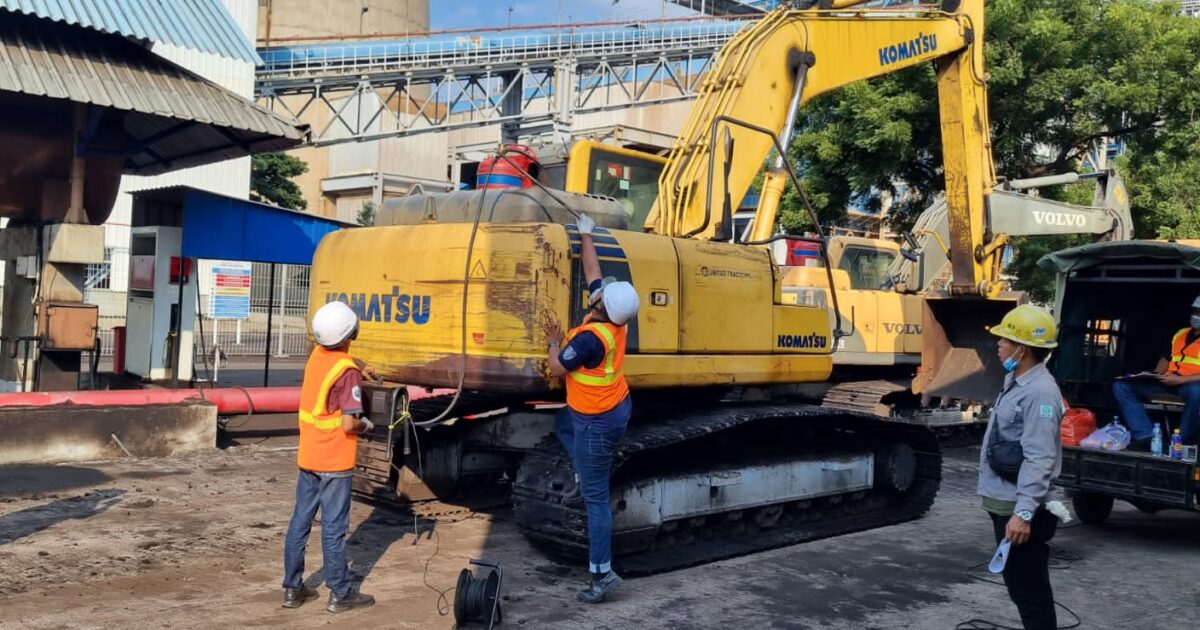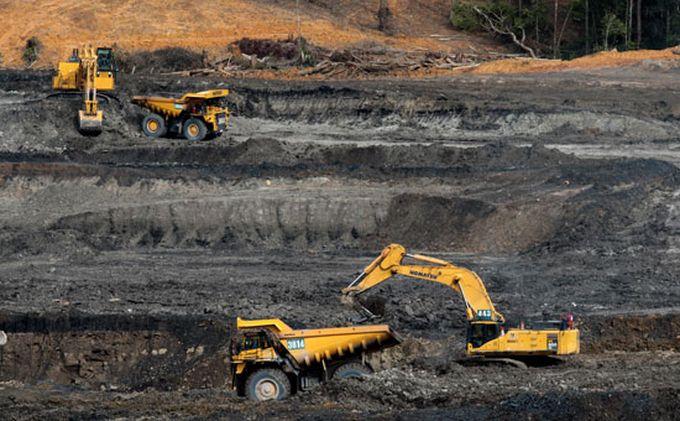
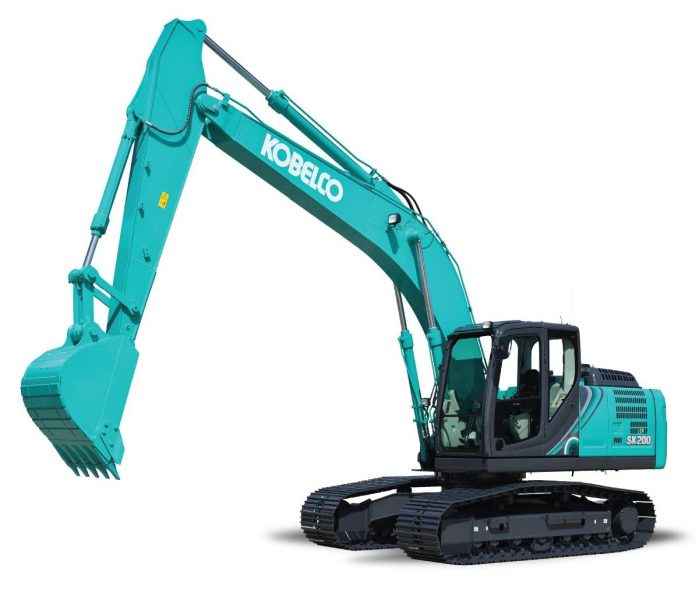
In heavy equipment operations, especially excavators, The appearance of an error code on the monitor panel often causes work to stop suddenly. For some operators, This condition can cause confusion and even panic, especially if it occurs when the project is pursuing targets. Whereas, error codes are not a sign of complete failure, rather it is an early warning system designed to protect the engine from more serious damage.
By understanding how to read excavator error codes and knowing the initial handling steps, Operational disruption can be minimized. This article will discuss in full what excavator error codes are, common causes of its appearance, as well as tips for dealing with it safely and appropriately in the field.
What is an Excavator Error Code?
Excavator error codes are an automatic diagnosis system that works through the Electronic Control Unit (ECU). This system monitors various important components such as engines, hydraulic system, sensor, and electricity. When the ECU detects an abnormal condition, then an error code will be displayed on the operator's cabin monitor.
The main function of the error code is:
- Provide early warning before the damage gets worse
- Helps operators and mechanics identify the source of problems
- Maintain the safety of tools and operators
- Reduces the risk of prolonged downtime
In other words, Error codes actually become the machine's "language" to convey problems that are occurring.
Where Excavator Error Codes Are Displayed?
On excavator modern, error codes generally appear in:
- Digital monitor in operator's cab, a combination of letters and numbers
- Warning indicator light, which lights up along with a certain code
- Mode diagnosis (diagnostic mode) which can be accessed via the control panel
The appearance and format of the error code may differ depending on the brand and type of excavator. But in general, the reading principle remains the same and always refers to the problematic system category.
How to Read Excavator Error Codes Correctly
Reading error codes should not be done in a hurry. There are some important steps that need to be taken into account so that the decision taken remains safe and accurate.
First, stop the tool in a safe position. Don't force the excavator to keep working when the error code appears, especially if accompanied by a decrease in performance or abnormal engine noise.
Second, Note the error code that appears on the monitor. This code is the main clue to find out which system is experiencing problems.
Third, check the meaning of the code based on the excavator manual or technical guide. Error codes are usually divided into several categories, like a machine system, hydraulic, or electricity.
Final, determine the severity of the error. Some codes still allow limited operation of the tool, while other codes require the excavator to come to a complete stop to prevent further damage.
The Most Frequently Appearing Types of Excavator Error Codes
Engine System Error Code (Engine System)
Error codes in engine systems are usually related to:
- Engine temperature is too high (overheat)
- Low engine oil pressure
- Problems with the combustion system
If left, Problems with the engine system can cause a decrease in power and even serious internal damage.
Hydraulic System Error Code
System hydraulic is the main "muscle" of the excavator. The error code in this section often appears as a result:
- Unstable hydraulic pressure
- Pressure sensor problem
- Dirty or insufficient hydraulic oil
Symptoms can include slow arm and bucket movements, unresponsive, or even stop completely.
Electrical System and Sensor Error Codes
This type of error code is often caused by:
- Sensor is dirty or damaged
- Loose cables and connectors
- Communication failure with ECU
Even though it looks trivial, Electrical problems can trigger repeated errors if not handled properly.
Common Causes of Excavator Error Codes
In practice in the field, most excavator error codes are caused by:
- Lack of routine maintenance
- Daily inspection (P2H) which is not optimal
- Operation of equipment that does not comply with SOP
- Extreme work environments such as excessive dust, high heat, or muddy areas
These factors make sensors and components work harder than normal conditions.
Tips for Overcoming Excavator Error Codes in the Field
Perform Reset and Initial Check
The first step that can be taken is to turn off the machine according to the procedure, wait a few minutes, then turn it back on. In some cases, Minor error codes may disappear after a reset if the cause is temporary.
Check Basic Components
If the error code still appears, do an initial check on:
- Engine oil and hydraulic oil levels
- Filter condition
- Sensor hoses and connectors
This simple check often helps find the source of the problem before it develops into major damage.
Don't force the tool to keep working
Ignoring error codes and continuing to force the excavator to work can worsen damage and increase repair costs. If the tool performance decreases significantly, It's best to temporarily stop operations.
Contact a Professional Technician
When the error code appears repeatedly or is related to the main system, Handling by an experienced technician is highly recommended. Proper handling from the start will be much more efficient than repairs resulting from serious damage.
The Role of P2H and Routine Maintenance in Preventing Error Codes
Daily Check of Tools (P2H) has a big role in preventing the appearance of error codes. By regularly checking the oil, filter, sensor, and electrical systems, Potential disturbances can be detected early.
Besides that, Regular maintenance and error history recording help the project team to thoroughly evaluate the condition of the equipment and maintain its long-term reliability.
PSU Supports Reliable Excavator Operations with Minimal Disruption
As a company engaged in the field of providing heavy equipment, PT Perkasa Sarana Utama (PSU) ensure that every excavator unit used on the project has gone through a thorough inspection and maintenance process. Machine system, hydraulic, until the sensors are checked regularly to minimize the risk of error codes appearing in the field.
With well-maintained units and clear technical support, PSUs help projects run more safely, efficient, and minimal downtime.
Conclusion
Error codes on excavators are not a threat, but rather a tool to maintain optimal engine condition. By understanding how to read excavator error codes and carry out appropriate handling, the risk of serious damage can be avoided and project productivity is maintained.
Operator understanding, Routine maintenance, and the use of units whose quality is guaranteed is the main key so that the excavator is always ready to work in various project conditions.