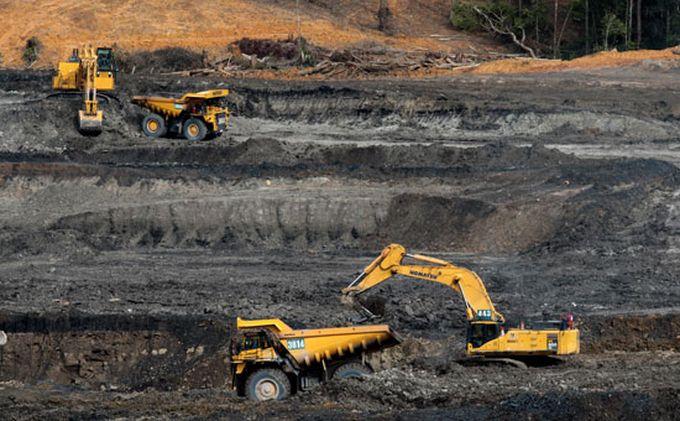
The coal industry is often synonymous with mining activities: heavy equipment, open mining area, and giant trucks that transport black material from the bowels of the earth. However, Behind the excavation process is a long and complex processing and distribution chain before the coal finally reaches the power plant or export market.
The coal journey does not stop when the material is lifted from the pit. There is a series of technical processes starting from crushing, screening, washing, to delivery through terminals and ports that ensure quality, size, and coal specifications according to market needs.
This article will review 8 important stages of the coal processing process from pit to port which are often rarely discussed in detail.
1. Coal Mining in the Pit
The coal journey starts from the mining area called the pit, namely the location where the coal seam is below the ground surface.
In open mines or open pit mining, Mining companies first carry out the process of stripping the overburden (overburden) to open access to coal seams. After the layer is revealed, the coal extraction process can begin.
A number of the main heavy equipment used at this level among others:
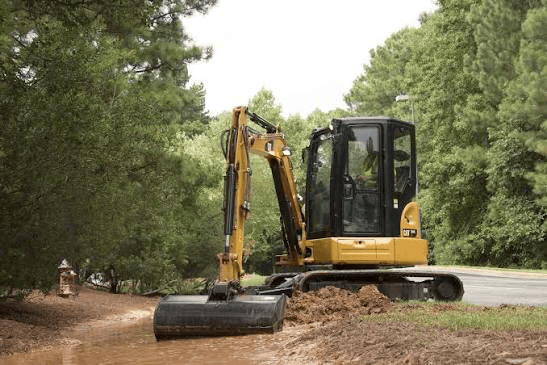
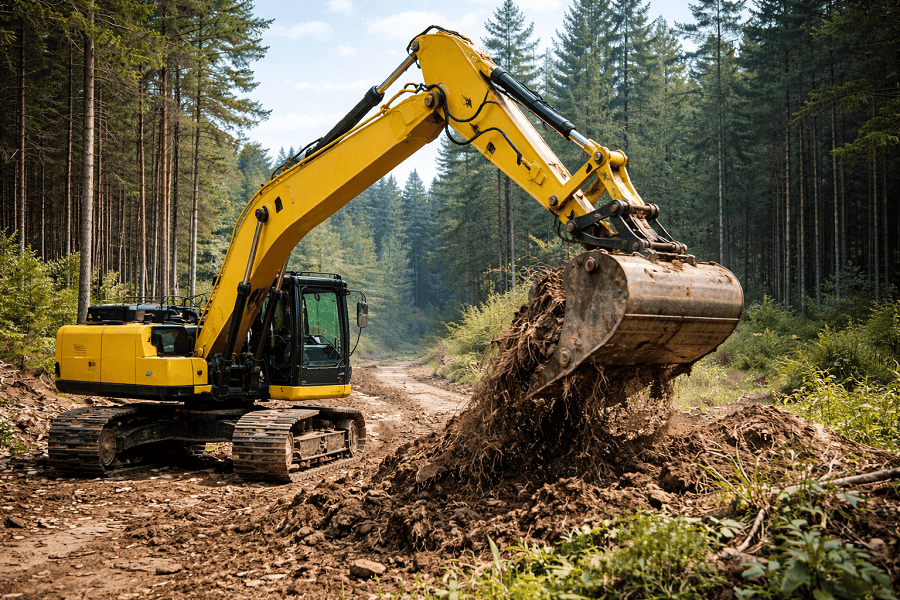
- Large capacity mining excavator
- Mining dump truck
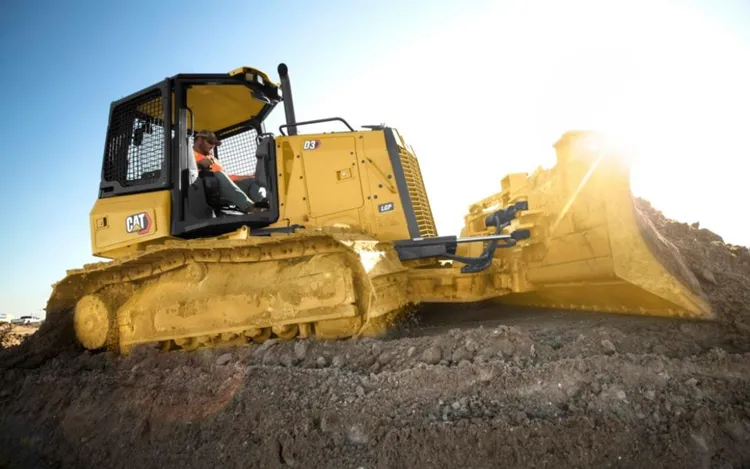
- Bulldozer
- Drilling dan blasting equipment
The excavator will dig coal from the seam layer, then load it into a dump truck to be transported to the initial processing area.
This stage is very important because it determines production efficiency and the quality of the initial material that will be processed in the next stage.
2. Crushing: Coal Crushing
After being taken from the pit, Coal usually still has non-uniform sizes and is too large to be processed or transported efficiently. This is where the crushing or crushing process is carried out.
The coal is fed into a crusher machine which functions to reduce the size of the material so that it meets transportation and subsequent processing standards.
Types of crushers commonly used in coal mines include::
- Crusher ride
- Feeder breaker
- Roll crusher
With a smaller and uniform size, coal becomes easier to move via conveyor belt systems or mine transportation.
Besides that, this process also helps minimize the risk of equipment damage at a later stage.
3. Screening and Sorting
After the crushing process, The coal then goes through a screening or filtration stage.
At this level, Coal is separated based on size using a vibrating screen or vibrating filter machine. This process produces several different size categories of coal.
Size separation is very important because:
- Each market has certain coal size specifications
- Size affects combustion efficiency in power plants
- Makes blending and further processing easier
Usually coal will be classified into several sizes such as:
- Fine coal
- Medium coal
- Lump coal
With this classification, Mining companies can control the quality of products sent to customers.
4. Washing atau Coal Beneficiation
Not all mined coal is of the same quality. Some materials may still contain mineral impurities, land, or high ash content.
To improve the quality, Coal can go through the coal washing or coal beneficiation process.
At this level, coal is washed using density-based separation technology such as:
- Dense medium cyclone
- Jig washer
- Spiral separator
This process aims to:
- Reduces ash content (ash content)
- Removes impurity material
- Increase the calorific value of coal
The result is higher quality coal that meets energy market standards.
However, not all mines have washing facilities because it depends on the quality of the coal produced from the pit.
5. Stockpiling and Blending
After going through the initial processing stage, The coal is then stored in the stockpile area or temporary storage area.
Stockpiles have several important functions in mining operations, among others:
- Storing coal before shipping
- Manage production supplies
- Facilitates the blending process
Blending is the process of mixing several types of coal with different qualities to achieve certain specifications, for example:
- Specific calorific value
- Lower sulfur levels
- Ash content according to market standards
The equipment used in this process usually includes::
- Stacker
- Reclaimer
- Conveyor system
With a good stockpile management system, Mining companies can maintain consistent product quality sent to customers.
6. Hauling: Transportation from the Mines
Once the coal is ready to be sent, The next stage is hauling, namely the transportation process from the mining area to the terminal or port.
This transportation usually uses:
- Large capacity mining dump truck
- Long distance conveyor belt
- Freight cars (in several locations)
Hauling is carried out via a special route called a hauling road. Some of the main challenges in the hauling process include::
- A long distance between the mine and the port
- Mine road conditions
- Heavy equipment fuel consumption
- Operational safety factors
Efficient hauling management can significantly reduce logistics costs and increase mine productivity.
7. Coal Terminal and Barge Loading
After reaching the coal terminal, mine operator will prepare materials for the loading process onto the ship.
In this terminal area, Coal is usually stored in the port stockpile before being loaded onto barges or large ships.
The loading process is carried out using a system such as:
- Conveyor belt
- Barge loader
- Ship loader
The coal is then loaded onto a barge (barge) which will carry the material to the main transport ship at sea or directly to the destination port.
This stage requires very good coordination because it involves:
- Ship schedule
- Port capacity
- Export logistics management
Efficiency at this stage greatly determines the speed of coal distribution to the global market.
8. Delivery to Energy Markets
After being loaded onto the ship, The coal is then sent to various energy markets around the world.
Most of the coal is used for:
- Electric steam power plant (PLTU)
- Steel industry
- Cement industry
- Heavy manufacturing industry
Countries in Asia such as China, India, Japan, and South Korea is the largest coal importer because of their high energy needs.
Coal remains an important energy source because:
- Abundant availability
- Production costs are relatively stable
- Well-established energy infrastructure
That's why the processing chain from mine to port must be managed professionally to maintain global energy supplies.
Read Also: Types of Work in Indonesian Mines, Anything?
Why This Process is Important in the Mining Industry?
Many people think that the value of coal is determined only by the mining process. Whereas, processing and logistics have an equally important role.
Several reasons why this process is very crucial include::
- Guarantee product quality : Processes such as washing and blending ensure the coal meets market specifications.
- Improve operational efficiency : Sistem crushing, screening, and good transportation reduces waste of energy and time.
- Optimizing supply chains : Stockpile and terminal management helps maintain delivery stability.
- Supports safety standards : Each stage is designed to minimize the risk of work accidents.
With proper management, The coal industry can operate more efficiently while meeting world energy needs.
The Role of Mining Companies in Managing the Production Chain
Behind all these stages, There is an important role for mining companies in managing operations in an integrated manner.
Modern mining companies do not only focus on mining activities, but also develop an encompassing system:
- production management
- material processing
- mine transportation
- port logistics
- delivery to global markets
One of the companies that plays a role in supporting the operations of the mining industry in Indonesia is PT Perkasa Sarana Utama (PSU). As a provider of mining heavy equipment rental services that supports various mining operational activities, We can provide services ranging from production management to material transportation.
With experience and an integrated operational system, PT Perkasa Sarana Utama contributes to ensuring the process from pit to port runs efficiently, aman, and according to industry standards.
The journey of coal from the pit to the port is a long process and involves many technical stages. Starting from mining, destruction, filtering, washing, storage, to transportation and delivery to energy markets.
Each stage has an important role in ensuring the quality of the coal produced, size, and specifications that suit industry needs.
With professional management and technological support and expert staff, the coal industry can continue to provide a stable energy supply for various sectors.
For those of you who want to know more about mining operations and the company's role in the energy supply chain, You can contact us via WhatsApp at 0812-5233-3349 or email rent@psualat Berat.com.