
Heavy equipment selection is a strategic decision that has a direct impact on profit margin project. Choosing a tool that is too small will make work slow and catch up deadline becomes impossible. On the contrary, choose a tool that is too large (over-spec) will waste rental and fuel costs, and makes mobilization difficult.
Many contractors fall into the trap of just looking “Hourly Rental Price”, even though the determining factor for efficiency is “Suitability of Equipment to Terrain”. As an experienced heavy equipment partner, PT Perkasa Sarana Utama (PSU) summarize 5 technical steps to determine the most precise machine for your project.
1. Identify Types of Work and Materials
The first step is not choosing a tool, but dissect what material will be faced.
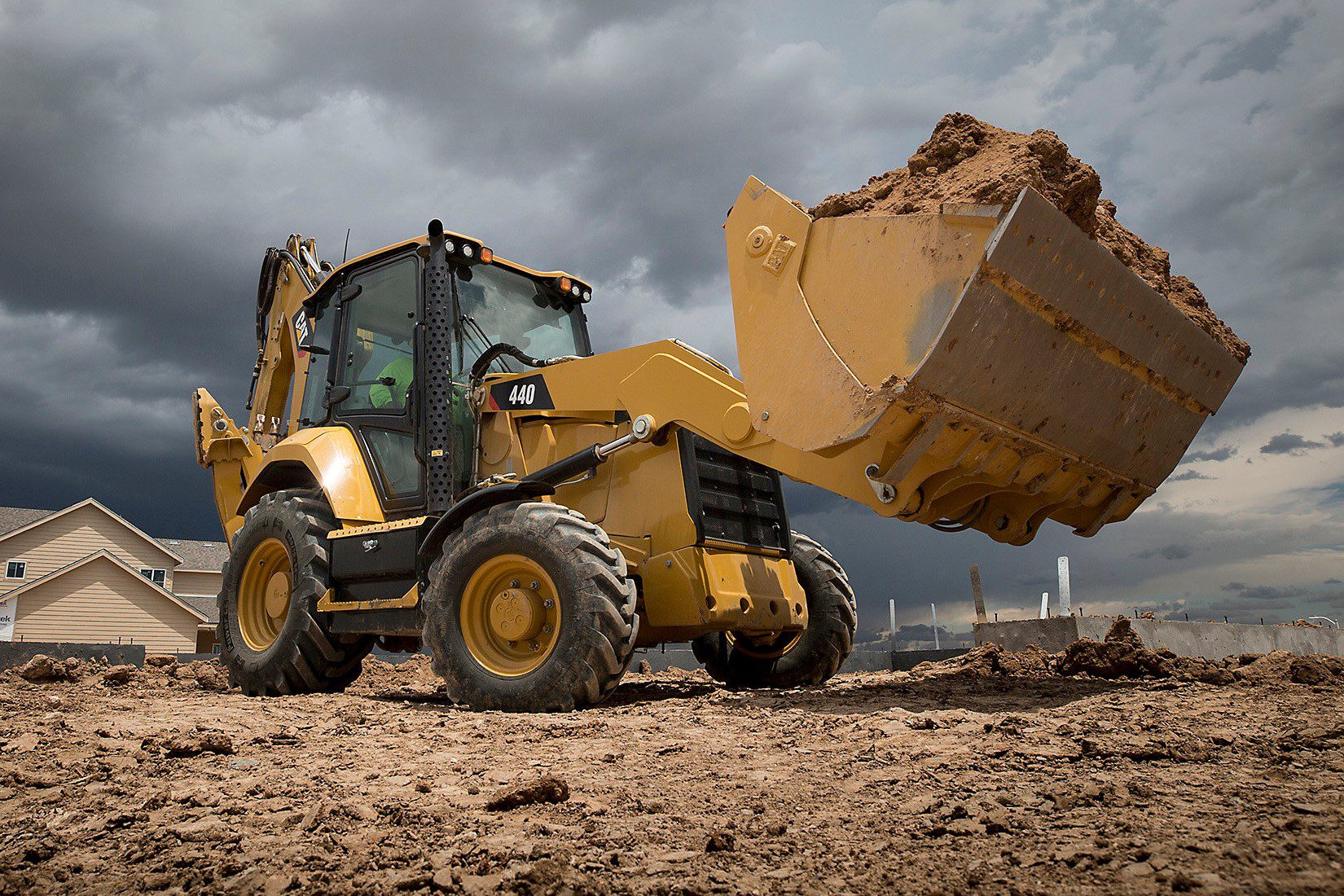
- Public Land (General Soil): For normal soil excavation, Excavator Standard (Bucket GP) it's enough.
- Hard Rocks (Rock/Concrete): Don't force the regular bucket. You must rent an excavator with attachment Hydraulic Breaker to break down the material first.
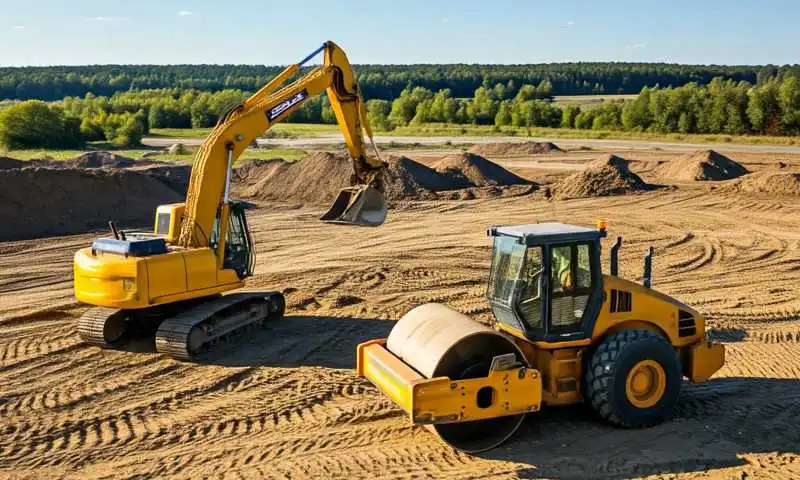
- Land Equity: If the goal is to level the land (spreading), Bulldozer is the king. But for final compaction (compacting) road, you need Vibro Roller.
2. Analisis Kondisi Medan dan Pijakan (Ground Condition)
Kondisi tanah di lokasi menentukan jenis penggerak (undercarriage) yang harus dipilih.
- Tanah Berlumpur/Rawa: Hindari alat beroda ban. Gunakan alat beroda rantai (crawler/track) seperti Excavator atau Dozer. Jika sangat lunak, minta spesifikasi khusus Swamp Shoe (sepatu lebar) agar alat tidak amblas.
- Permukaan Beton/Aspal: Jika proyek berada di jalan raya yang sudah jadi atau dalam pabrik, wajib gunakan alat beroda karet (wheel) seperti Wheel Loader atau Mobile Crane agar tidak merusak permukaan jalan.
- Area Sempit: Untuk proyek perumahan padat atau drainase gang, hindari unit besar (20 ton). Use Mini Excavator (kelas 5-7 ton) yang lincah bermanuver.
3. Hitung Volume Kerja dan Kapasitas Alat
Jangan mengira-ngira. Lakukan perhitungan volume material vs target waktu.
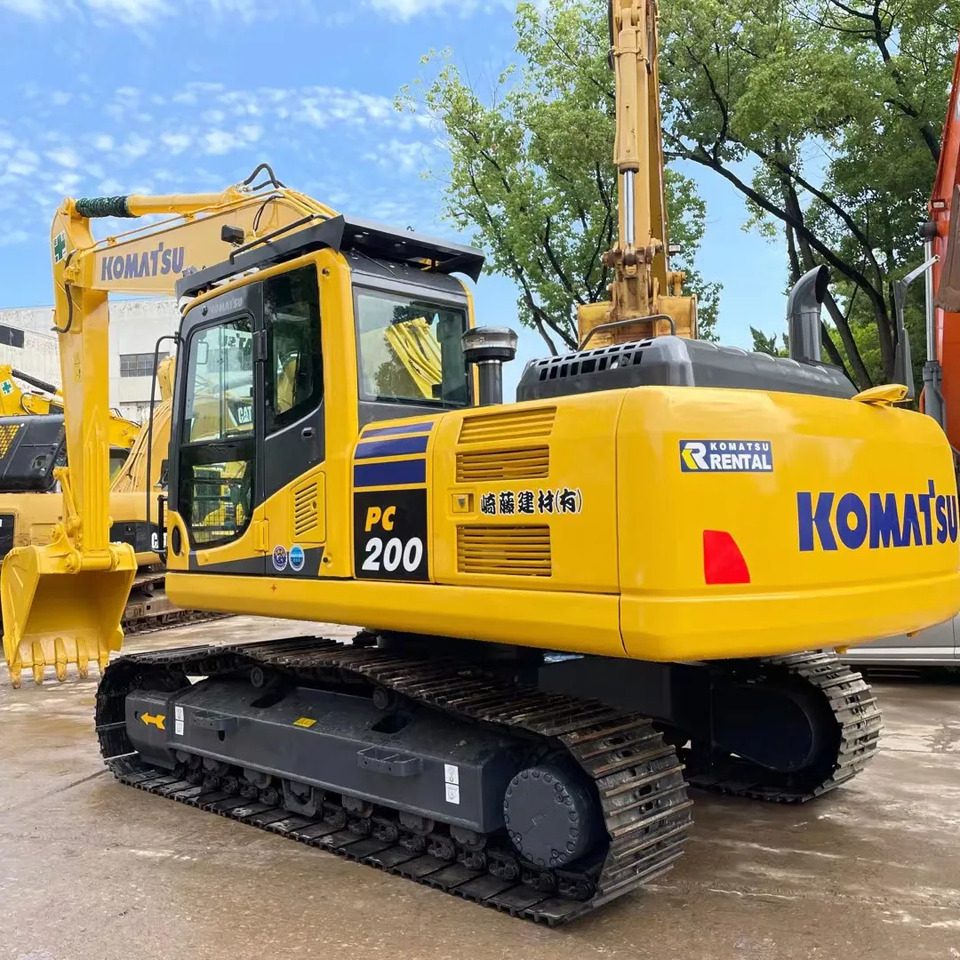
- Rumus Sederhana: Jika Anda harus memindahkan 1.000 m³ tanah dalam 2 day, jangan gunakan Mini Excavator. You need a class Excavator 20 ton (seperti Komatsu PC200) which has a bucket capacity of approx 0.9 – 1.0 m³ to pursue that target.
- Lifting Capacity: If renting a Crane, take note Load Chart. Make sure the lifting capacity of the tool is minimal 20-30% larger than the heaviest load to be lifted for safety reasons (safety factor).
4. Check Mobilization Access to the Location
Often the tools are already rented, but failed to enter the project site (site).
- Road Width: Is a transport trailer (low-bed) can come in?
- Upper Barrier: Watch for low power lines or overpasses.
- Little Bridge: Is the bridge to the location strong enough to withstand the weight of heavy equipment? (20-30 ton)? If access is limited, consider renting a smaller tool or one that can be mobilized on a truck Self-Loader (smaller than a trailer).
5. Ensure Legality and Unit Quality
In government projects or high K3 standards, cheap tools can be a problem if they are not legal.
- Certification: Make sure the tool has SILO (Operation Worthy Permit) and the operator has SIO (Operator's License) which is still active.
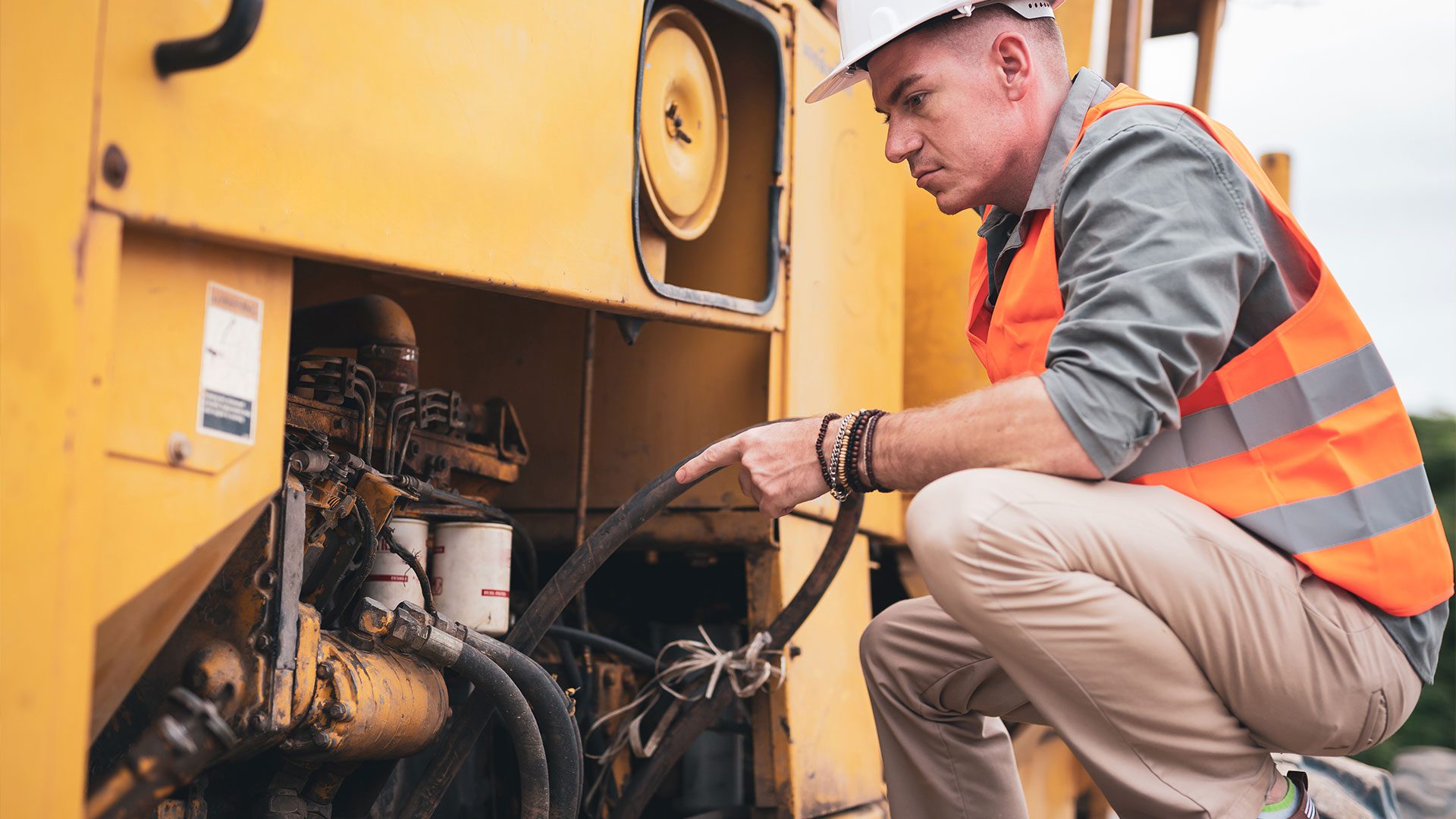
- Year & Unit conditions: Equipment that is too old is prone to breaking down (breakdown). Choose a vendor that guarantees routine maintenance to minimize downtime in the field.
Free Consultation: Let Members Help You
We understand that every project has unique challenges. Choosing the wrong specifications at the start can have fatal consequences for the final budget.
From PT Perkasa Sarana Utama (PSU), We don't just rent equipment. Our team is ready to discuss your project needs and recommend the most efficient unit—be it a Long Arm Excavator for river dredging, Dozer for land clearing, or Vibro for road compaction.
Don't hesitate, consult your project technical needs now:
- WhatsApp: 0812-5233-3349
- Email: rent@psualatberat.com
- Website: psualatberat.com
PT Perkasa Sarana Utama – Smart Partner for the Right Heavy Equipment Choice.