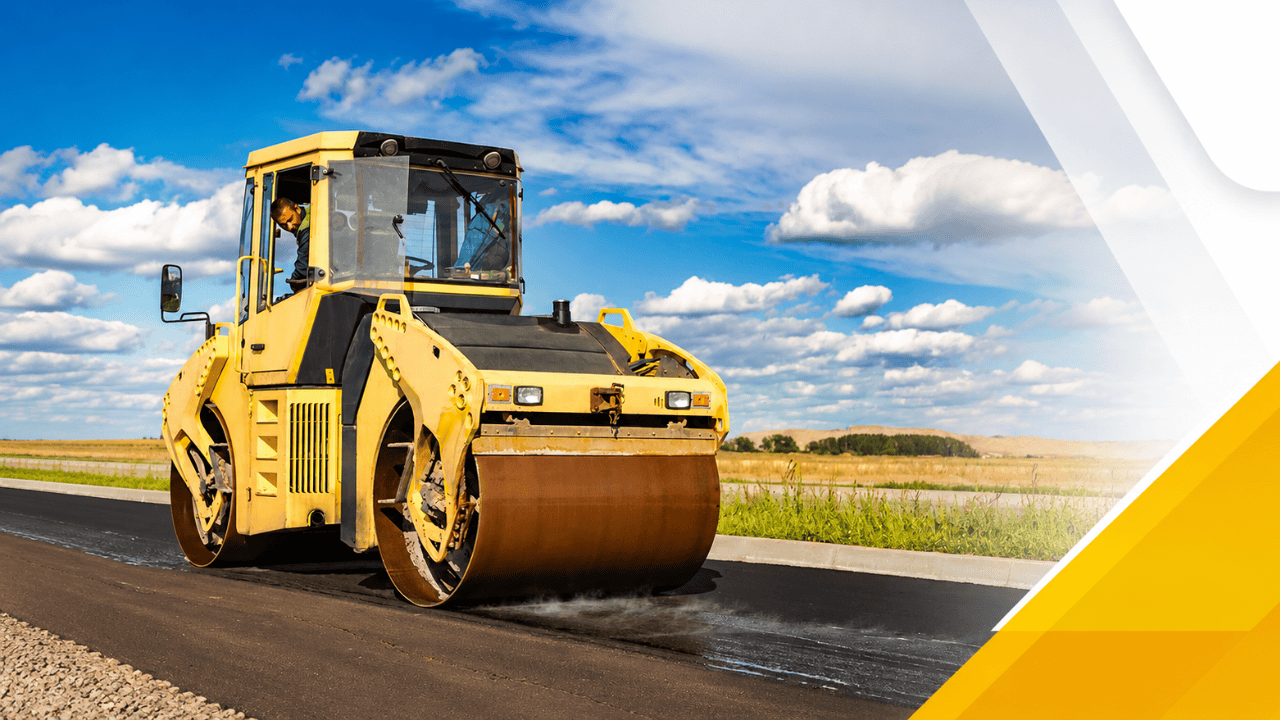

In many construction and mining projects, Work accidents almost always start with the same thing: a small detail that was overlooked. It could be blind spot which is not monitored, back alarm that doesn't work, or an operator who loses control in an unstable work environment.
It is at this point that the safety features on heavy equipment stop being mere “technical specifications”., and turned into a protection system that determines the sustainability of the project.
For heavy equipment rental companies such as PT Perkasa Sarana Utama, safety is not just regulatory compliance, but part of the client's operational risk management. A safe machine means work runs consistently, downtime can be reduced, and legal responsibilities remain under control.
Important Heavy Equipment Safety Features for Operator Protection
Modern machines are designed to work in extreme environments, muddy field, open mining area, The project location is busy with activity. In conditions like this, safety cannot depend on one single feature. It works as an integrated system that complements each other between machines, operator, and work procedures.
This approach is in line with PSU operational practices, which ensures each unit is ready for use through routine maintenance, complete legality, and certified operators (SIO & SILO) before deploying to the field.
1. ROPS & FOPS: Protective Structures in Worst Situations
ROPS (Roll Over Protective Structure) and FOPS (Falling Object Protective Structure) is the foundation of cabin safety. ROPS protects the operator when the machine rolls over, while FOPS prevents injury due to material falling from above, a very common risk in mining and demolition work areas.
In practice, this structure is the difference between a serious incident and a fatal accident. This is the reason why units in the PSU fleet are ensured to meet structural safety standards before being rented out.
2. Seatbelt & Interlock System: Locking in Security From the Start
Seat belts on heavy equipment are often underestimated because the cab is considered “safe”. Whereas, without a seat belt, ROPS will not work optimally.
Some units are also equipped with an interlock system, which prevents the machine from operating if the operator is not in a safe position. This feature indirectly forms work discipline, not through verbal warnings, but through the design of the machine itself.
3. Backward Alarm & Visual Warning System
In a busy project area, Verbal communication is almost impossible. Reverse alarm (backup alarm) and visual warning lights become a universal language that all workers in the field understand.
The main function is simple: notifies that the machine is moving. But the impact is big, reduces the risk of collision with workers, other vehicle, or temporary structures that frequently change position.
4. Camera & Blind Spot Monitoring System
Blind spot is one of the most common causes of accidents on large heavy equipment. The rear camera and surrounding area monitoring system help operators read the situation in real-time, especially when maneuvering in tight areas or near other workers.
In the context of heavy equipment rental, This feature is very crucial because client project locations can be very diverse, from open areas to busy industrial environments.
5. Emergency Stop & Cut-Off System
In emergency conditions, human reaction time is often insufficient. Emergency stop system allows the machine to be stopped instantly to prevent further damage or serious injury.
This feature is usually integrated with hydraulic system and electricity, so that heavy equipment can be “disconnected” from the source of danger in a matter of seconds.
6. Stability System & Control Hydraulic
For tools like excavator, dozer, atau wheel loader, stability is key. Modern hydraulic control systems are designed to keep movements precise, even when lifting heavy loads or working at an incline.
This stability is not just a matter of operator comfort, but about maintaining the center of gravity of the tool so that it does not exceed safe limits.
Project Safety Starts with the Right Partner
Eventually, The best safety features won't mean much if the machine arrives unprepared, operators without certification, and slow-to-respond tech support. This is the difference between simply rent out the unit and providing operational solutions become real.
PT Perkasa Sarana Utama presenting heavy equipment that is regularly maintained, equipped with a security system that works optimally, operated by certified personnel (SIO & SILO), and supported by mechanics 24/7 to minimize the risk of downtime.
This approach ensures that safety doesn't stop at machine specifications, but actually work in the field, protect operators, maintain project progress, and provide peace of mind for job owners.
If your project demands reliability, K3 compliance, and clear risk controls, PSU is not just a heavy equipment rental vendor, but rather work partners who understand that safety is part of the success of the project itself.Contact us for further information regarding heavy equipment rental for your project!