
The mining sector in Indonesia plays an important role in producing raw materials for industrial needs, energy, and everyday human life. With great benefits, The mining sector involves complex processes and various types of mining work.
As one of the largest mining producing countries, The mining sector in Indonesia will continue to grow. That is why career opportunities in the mining industry are still very broad. In each mining project, There are various types of professions needed to carry out each stage and task.
Mining work involves a long process, starting from exploration, extraction, processing, etc. Through this article, Let's get to know the types of work in Indonesian mining, as well as its advantages and challenges. The following are several professions that exist in mining projects.
1. Mine Engineer
One of the professions that holds important responsibilities in mining projects is mine engineer or mining engineer. Mine engineer is someone who works to implement or develop efficient and safe mining methods according to regulations.
Profession mine engineer filled by those who have a bachelor's degree in mining engineering, engineering geology, or civil engineering. One person mine engineer usually also have certification software mine planning, like Surpac or MineScape.
Mine engineer must have a deep understanding of mining methods. This mining work is also required to be able to use it software mining as well as mastering analytical and project management skills.
The following are some of the duties and responsibilities of mine engineers in mining projects:
- Designing efficient mining methods or systems, aman, and environmentally friendly.
- Monitor mining operations and ensure compliance with regulations and safety standards.
- Analyze data and perform stimulation to optimize the mining process.
- Manage a team of technicians and operators in project implementation.
2. Mine Surveyor
A mine surveyor is a profession whose job is to measure and map the boundaries of mining areas to ensure exploration and exploitation are according to plan. This profession requires skills in using survey tools such as Total Station and GPS. Besides that, they must also understand land regulations and mining permits.
To become a mine surveyor, background The education required is usually a Bachelor's Degree in Geomatics or Geodetic Engineering. Mine surveyors usually also have training in use software digital mapping such as GIS (Geographic Information Systems).
The following are some of the duties and responsibilities of a mine surveyor in a mining project:
- Create topographic maps and mining area boundaries.
- Conduct feasibility studies and determine mine locations.
- Prepare reports and documentation related to measurement and monitoring results.
- Ensure mining plans comply with permitted area limits.
3. Heavy Equipment Technician or Operator:
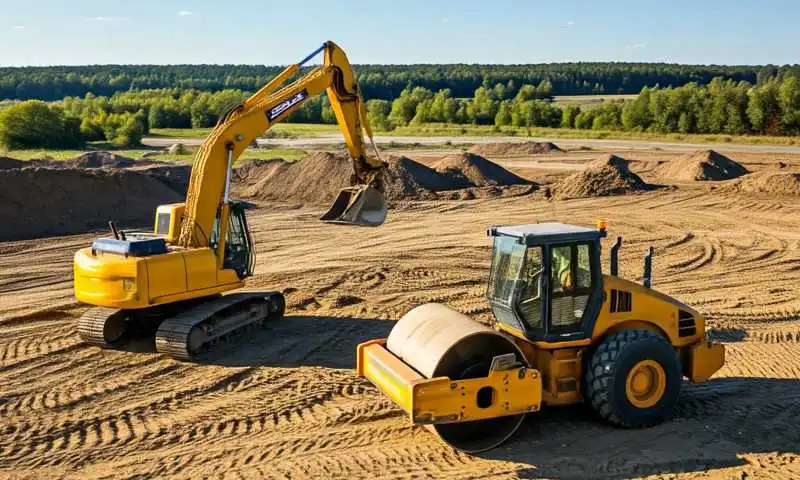
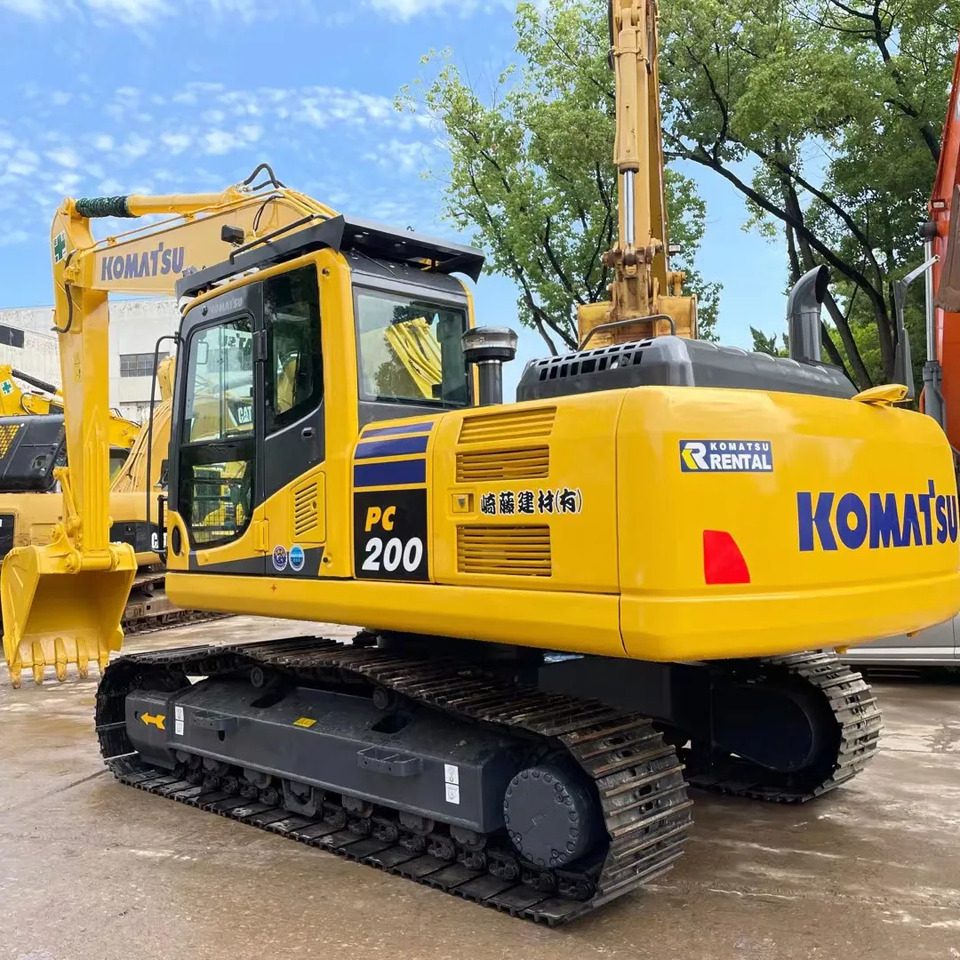
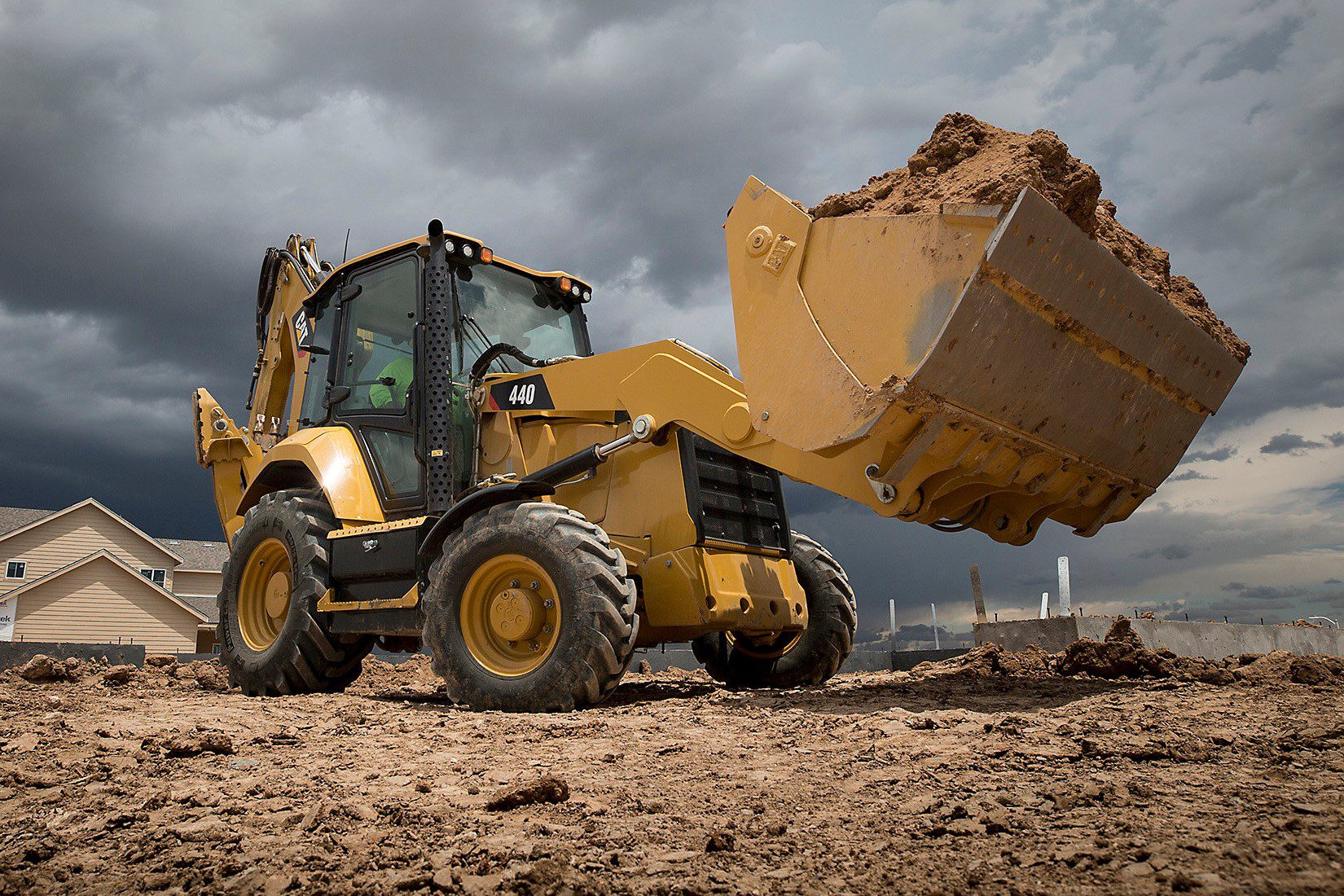
Technician or mining heavy equipment operator work to operate and maintain heavy equipment such as excavator, dump truck, and bulldozer at the mine site. To undertake this profession, a person must take vocational school education or technical training in the use of heavy equipment. Usually they are also required to have heavy equipment operator certification.
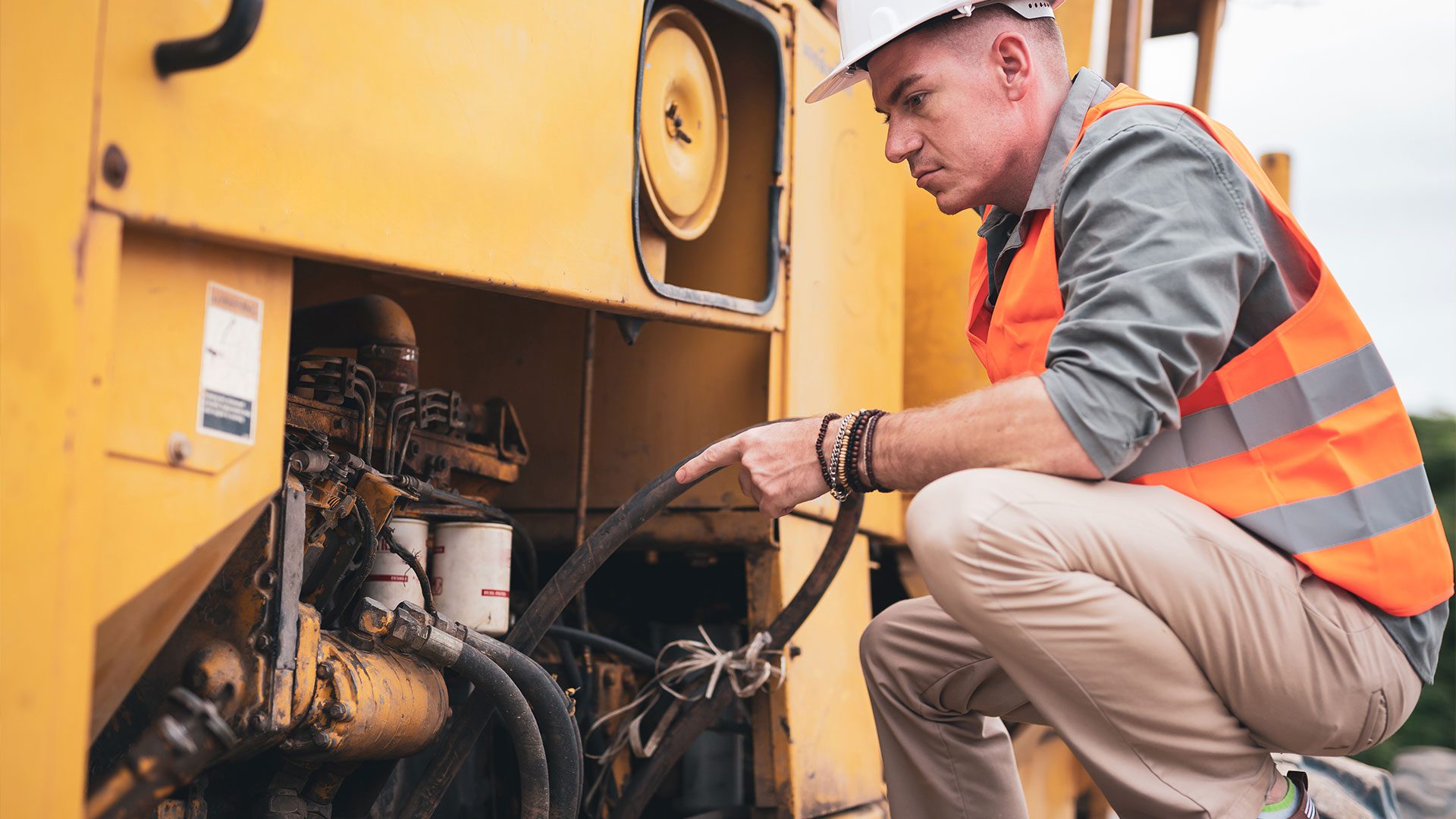
A technician or operator must master the skills in operating various types of heavy equipment according to work procedures. It's not just about being able to use it, They must also understand how to maintain or maintain heavy equipment so that its performance remains optimal.
This mining job holds the following duties and responsibilities:
- Operate heavy equipment according to safety standards.
- Carry out daily inspections and report equipment damage.
- Carry out routine or periodic maintenance to ensure heavy equipment performance remains optimal.
- Follow work safety procedures and report potential hazards at the project site.
- Collaborate with the team to do the job well and achieve production targets.
4. Geologist and Geophysicist
These professionals work to analyze soil and rock structures in the process of finding mineral and energy sources at mine sites. This mining work is carried out by someone with a Bachelor's degree in Geology or Geophysics. They usually also have mineral resource exploration certification.
Geologists and geophysicists must have the ability to analyze geological data using software such as ArcGIS. They also have to understand geological structures and processes to be able to find resources to be mined.
The profession of geologist and geophysicist in mining has the following duties and responsibilities:
- Search for and evaluate potential mineral reserves through field surveys and geological data analysis.
- Carrying out geological mapping to identify and describe rock formations and locations of mineral deposits.
- Provide guidance regarding potential geotechnical hazards that may occur during mining operations.
- Work with mining engineers to design effective and environmentally friendly extraction methods.
- Assess hydrogeological conditions to understand groundwater flow and its impact on mining operations.
5. Occupational Health and Safety Expert (K3)
K3 experts in mining will work to ensure a safe project environment, and meet occupational safety and health standards. This profession is carried out by someone with a Bachelor's degree in Occupational Safety and Health, or Bachelor of Environmental Engineering. Besides that, K3 certification is also required to undertake this profession.
Someone who wants to become an K3 expert must have knowledge of occupational health and safety regulations in the mining industry. They must also have skills in auditing and evaluating risks in mining project.
The following are some of the duties and responsibilities held by K3 experts in mining:
- Carry out work safety inspections.
- Carry out risk analysis in each work area and mining stage.
- Develop K3 training programs and emergency handling procedures for employees.
- Report incidents of accidents and work-related illnesses.
- Ensure risk mitigation is in place and implemented correctly
6. Mine Operations Manager
This profession works to manage the entire mining operation, starting from production, logistics, to human resource management. A manager must have leadership and management skills, both in managing human resources, time, finance, to risks or obstacles that may occur.
Mining operations manager jobs are usually filled by professionals with a Bachelor's degree in Mining Engineering, Management, or related fields. Besides that, they usually also have project management certification.
A mining operations manager carries out the following duties and responsibilities:
- Ensure mining operations run efficiently, aman, and sustainable.
- Ensure that the production of minerals or mining materials meets quality and quantity standards.
- Ensure compliance with safety and environmental standards.
- Manage human resources and heavy equipment.
- Monitor production performance and efficiency.
- Implement operational improvements to increase productivity.
- Coordinate with other teams, like an engineer, geologist, surveyor, and contractors.
7. Machine Maintenance Technician
A technician is someone who carries out maintenance and repairs to ensure mining equipment functions optimally. This mining work requires mechanical and electrical skills. Besides that, Technicians must also understand heavy equipment handling procedures.
To work as a heavy equipment mechanical technician, someone must have background Diploma/Bachelor education in Mechanical Engineering or Electrical Engineering. Usually they also have certification related to heavy equipment machine maintenance or related skills.
The following are some of the duties and responsibilities of a machine maintenance technician in mining:
- Carry out routine inspections of mining equipment.
- Carry out regular maintenance of mining equipment.
- Repair damaged equipment.
- Monitor spare parts availability.
- Develop and implement maintenance plans.
8. Staff Administration and Finance
The mining industry also needs it staff to manage important documents and finances. Staff Finance plays an important role in carrying out bookkeeping and supervising the financial flows of mining companies. Staff administration works to manage project planning documents, cooperation, legality, and others.
Profession staff This is filled by professionals who have a Bachelor's degree in Accounting, Business Administration, or Management. They must have an understanding of accounting and budget management, especially in the mining sector. Besides that, They are also required to be skilled in communication and archiving.
The following are some of the duties and responsibilities staff administration and finance in mining:
- Prepare a company financial plan.
- Prepare daily company financial reports, weekly, or yearly.
- Manage mine administrative documents.
- Manage travel claims, reimbursement, and contractual agreements.
- Manage logistics, meeting documentation, and other activities.
- Prepare contract and project procurement documents.
9. Environmental Expert
Environmental experts play an important role in ensuring mining activities run according to sustainable environmental principles. This profession will monitor that mining activities do not cause environmental damage and ensure that they comply with established regulations.
To work as an environmental expert in the mine, one must have a Bachelor's degree in Environmental Engineering or Environmental Science. Possession of AMDAL certification is also required in this profession. This profession really requires environmental impact analysis skills and knowledge about restoration or reclamation of mining areas.
Environmental experts carry out the following duties and responsibilities:
- Conduct audits and studies of environmental impacts in mining activities.
- Ensure that the mining process complies with applicable regulations.
- Prepare a mine reclamation plan.
- Oversee environmental restoration and post-mining rehabilitation programs.
10. Mining Technology and Innovation Expert
This profession is needed to create and implement new technology for mining activities. The work they do plays an important role in improving the efficiency and safety of mining operations.
Mining technology and innovation experts usually come from Informatics Engineering or Mining Technology graduates. They are required to have expertise in automation and data analytics related to mining activities. Besides that, they must also be able to innovate in software or mining methods.
The following are some of the duties and responsibilities of mining technology and innovation experts:
- Developing new technology to increase the efficiency of mining operations.
- Develop and integrate digital systems that support mine operations management.
- Encourage innovation in mining processes to reduce environmental impacts.
- Developing technology that can improve work safety at mining sites.
- Provide training to employees regarding new technology and practices for using the tools or systems implemented.
Benefits and Challenges of Working in Mines
The mining sector has various benefits, but there are also challenges that must be faced. Below are some of the benefits and challenges that you need to know for those of you who are interested in working in the mining sector.
- Benefit:
- Competitive salary with high earning potential.
- Career development opportunities from job promotions, training program, and certification.
- Various benefits such as health insurance, transportation, housing, and education for families.
- Dynamic work environment and broad connections with various fields.
- Adequate work facilities, starting from accommodation, recreation, and health services.
- Additional income through production bonuses, work incentives in remote areas, and others.
- Large mining companies usually offer long-term work contracts.
- The future growth of the mining industry in Indonesia.
- Challenge:
- Remote work locations mean you are far from family.
- Health and safety risks at mining project sites.
- Shift long work, including rotating schedules and curfews.
- Requires good physical and mental endurance.
- Environmental impact management, such as land reclamation, pollution reduction, and mining waste management.
- Strict regulations in terms of safety norms, environmental protection, and corporate social responsibility.
- Changes in trade policy, global demand, or an economic crisis that affects the mining business.
The mining sector involves various types of work which are handled by professionals according to their respective fields. With the growth of the mining industry in Indonesia, Mining work has extensive opportunities and offers promising benefits.
To support the productivity and efficiency of mining projects, It is very important to use the right heavy equipment. If you need quality and guaranteed safe heavy equipment for your project, PT Perkasa Sarana Utama (PSU) Ready to be your best tool rental solution.
PSU provides various types of heavy equipment with reliable operators and mechanics. The PSU team will help you find the right heavy equipment for various projects. Don't hesitate to contact us at CS: 0811358378 or email: rent@psualatberat.com. To be more connected, You can also follow our Instagram at @psualatberat.