
In the implementation of the construction project, One of the main challenges that is often faced is the unexpected calculation of heavy equipment rental. One of the main causes of cost overruns is errors in estimating heavy equipment rental costs and not having a thorough plan.
If the calculation of heavy equipment rental costs is haphazard, the project can exceed the budget from the start. Whereas, with the correct method, You can save a lot of costs. Besides that, The correct rent calculation also has an impact on the deadline for completing the project.
In this article, We will discuss the importance of calculating heavy equipment rental accurately. You will also find out about cost components that are often overlooked in calculations. Mari, Check out the complete tips and guide to make your project a success!
Why Heavy Equipment Rental Calculations Are Crucial?
Calculation heavy equipment rental costs not just a number, but an important foundation in construction project budget management. Small mistakes can have a big impact on efficiency and work schedules. The following are crucial reasons:
- The largest portion of the budget is in heavy equipment rental
Heavy equipment rental can take up 30–50% of the total project cost. Without careful calculations, the risk of waste will occur even before the tool is used.
- Wrong Tool Selection
Tools that are too big or too small for field needs will hinder work. Efficiency can only be achieved if the type and capacity of the tool is appropriate to the terrain and work volume.
- Inaccurate Duration Estimates
Renting for too long makes the equipment idle and unproductive. On the contrary, Too short a lease can slow down project completion. Duration must be calculated based on effective working hours, not just the number of days.
- Delay in Mobilization
Untimely mobilization can result in heavy equipment being idle and projects being delayed. Every hour of delay will have a direct impact on additional costs. This is why heavy equipment rental calculations must take into account travel time and equipment readiness.
Cost Components in Heavy Equipment Rental
When renting heavy equipment for construction needs, mining, or other infrastructure projects, It is important to understand all the cost components involved. The following are several main elements in calculating heavy equipment rental costs:
- Unit Rental Price: Per Hour/Day/Month
This is the most basic cost component, namely heavy equipment rental rates based on the duration of use. Generally, Prices are determined per hour, per day, or per month depending on the agreement and type of equipment.
- Heavy Equipment Operator Fees
If the tenant does not have its own operator, then operator service fees will be added. This fee can be included in the rental package or separately.
- Fuel & Solar
Fuel consumption greatly influences daily operational costs. Usually, the renter is responsible for the purchase of diesel, unless agreed to include fuel system.
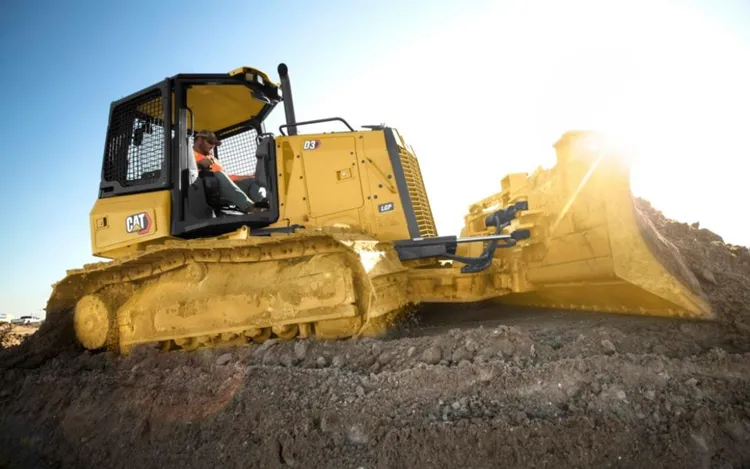
Example: A large dozer can consume 20–30 liters of diesel per hour. If the price of diesel is IDR 10,000/liter, then fuel costs per hour can reach IDR 200,000–IDR 300,000.
- Mobilization-Demobilization Costs
This cost covers transportation of heavy equipment from the pool to the project site (mobilization) and return when the job is finished (demobilization).
- Light Maintenance
For long term rental, minor maintenance is usually the responsibility of the renter. This includes oil changes, filter, or regular checks.
- Reserve Fees for Downtime
Downtime is a condition when equipment cannot operate due to damage or extreme weather. Although not a fixed cost, It is necessary to prepare reserve funds to anticipate delays in work.
Example: If the appliance stops working during 2 day, can cause additional rental costs and ongoing worker salaries.
- Insurance & Document (If the Project is Large)
For large projects or those located in certain industrial areas, Renters may be charged additional fees for equipment insurance and processing legal documents such as certificates of fitness for operation.
Example: Projects in port or factory areas may require heavy equipment to have damage insurance and restricted area entry permit documents.
How to Calculate Heavy Equipment Rental Efficiently
Calculating heavy equipment rental costs efficiently is very important to avoid wasting the project budget. The following are practical guidelines that you can apply before renting heavy equipment for construction work, infrastructure, or small scale projects.
Identify Job Type
The first step is to identify the type of work that will be done, like digging, land compaction, or moving materials. Each job requires heavy equipment with different specifications.
Understanding the scale and character of the project helps you determine tooling requirements more accurately. With proper initial identification, You can choose the type of heavy equipment that is most efficient in terms of cost and function.
Choose the Appropriate Heavy Equipment
Choose heavy equipment based on size and capacity that suits field conditions. Tools that are too large can make maneuvering difficult, while too small makes work slow.
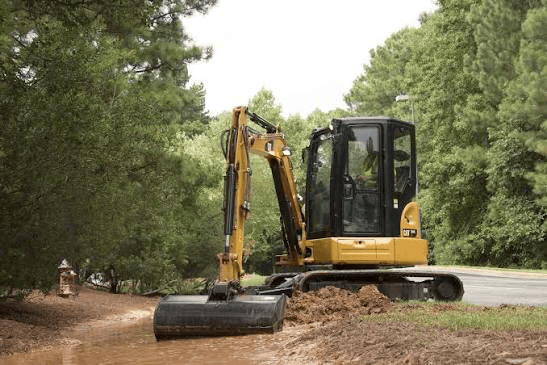
For example, for work in confined areas, rent a mini excavator such as Excavator PC 50 is the right choice. This maximizes performance without compromising on space in tight spaces.
Determine the Estimated Job Duration
Create work duration estimates based on project needs and effective work hours, not just a matter of calendar days. This prevents additional costs due to idle equipment.
Calculate Needs per Tool
Use a simple formula: Rental price per hour × working hours per day × number of days. If using more than one unit, multiply the number of tool units.
Add Non-Technical Components
Apart from equipment rental prices, You also need to add non-technical costs such as fuel, operator, and mobilization. This component is often overlooked, even though it can affect the total budget significantly.
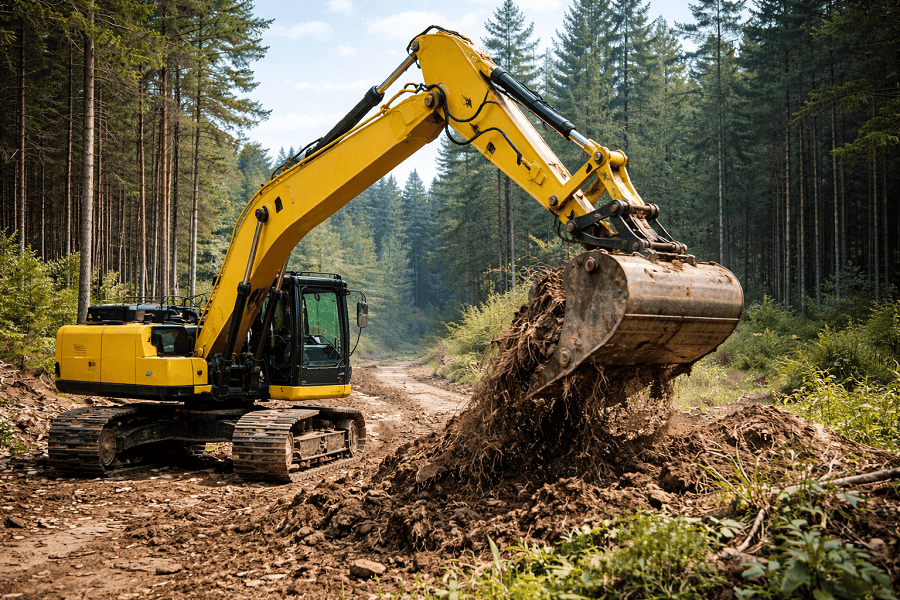
For example, Diesel fuel for excavators can reach IDR 200,000 per day, plus operator costs of around IDR 250,000 per day and mobilization of IDR 3,000,000 at the start of the project. All of this needs to be included in the total estimated heavy equipment rental costs.
Risk Factors That Make Heavy Equipment Rental Costs Soar
Without careful planning and management, heavy equipment rental costs can easily exceed the budget. Below are several risk factors that need to be avoided to keep expenses under control:
- Lack of Detailed Project Planning
Lack of technical planning and clear work schedules can cause heavy equipment to sit idle at the project site. Unavailability of land or delays in other work will prevent the equipment from being used optimally, even though the rental costs are still ongoing.
- Tool Replacement in the Middle of a Project
Replacing equipment once the project is underway increases mobilization costs and waiting time. Besides that, not all vendors have replacement tools ready to use quickly, which can slow down progress and increase the total rental cost.
- Bad Weather That Hampers Operations
Outdoor projects are very susceptible to weather conditions, especially heavy rain or muddy ground. Heavy equipment cannot operate optimally in conditions like this, so that the rental duration increases even if work is not in progress.
- Project Location is Difficult to Reach
Access to remote project locations, hilly, or minimal infrastructure can increase equipment mobilization costs. Apart from the longer travel time, special transport equipment may be required to bring the unit to the location, so costs increase.
- Inefficient Field Coordination
Lack of coordination between teams in the field means heavy equipment often waits for its shift. Idle equipment still adds daily rental costs without producing output, so that the efficiency of using the tool decreases drastically.
Read Also: Things to know before rental of heavy equipment
Tips for making heavy equipment rental calculations more accurate and economical
Managing heavy equipment rental costs appropriately is very important so that the project runs efficiently and within budget. Here are some practical tips to ensure your cost calculations are more accurate and economical:
- Choose a Vendor with a Transparent Pricing System
Make sure you choose a heavy equipment rental provider that provides clear and open price information from the start. This transparency is important so that no hidden costs arise as the project progresses.
A trusted vendor will include all cost components such as unit rental, fuel, operator, and mobilization. So you can prepare a budget more accurately and realistically.
- Consult Project Needs in Detail
Before renting equipment, discuss your project needs thoroughly with the vendor. Inform the type of work, area, as well as the target completion time.
Experienced vendors can usually provide advice on heavy equipment types, ideal duration of use, to alternative solutions that are more economical without reducing work effectiveness.
- Rent Equipment with Professional Operators
Choose heavy equipment that includes experienced operators to avoid technical errors during operation. A trained operator will operate the tool more efficiently and safely.
Using professional operators can also increase daily project productivity, reduces the risk of equipment damage, and speed up work completion time.
- Check Equipment Condition and Maintenance History
Before renting, Make sure the equipment is in prime condition and has clear maintenance records. Equipment that is regularly maintained tends to be more reliable and less prone to damage.
By renting a unit that is ready to use and well maintained, You can avoid downtime or project delays due to equipment breaking down or having to be repaired in the middle of work.
Consult your heavy equipment needs with PT Perkasa Sarana Utama
For those of you who are preparing a budget or want to know the latest heavy equipment rental prices, consult directly with PT Perkasa Sarana Utama (PSU). We have various types of heavy equipment starting from excavators, bulldozer, to vibro rollers complete with experienced operators and well-maintained units.
We also provide free consultation services to help you determine the most appropriate type of excavator based on field conditions and project scale. The PSU technical team will conduct a location assessment, Analysis of work needs, and provide efficient recommendations so that your project is running on time and cost effective.
You don't need to bother coming to the office, All order processes can be done in a way online, fast, and safe. Available various booking options, starting fromCall Center, WhatsApp, email, until contact form which can be accessed directly. Read the guide here.
Contact PSU right now! We provide free consultations to help you determine the best heavy equipment according to your project needs. Also follow our Instagram on @psualatberat For the latest information. PSU is ready to be a trusted partner for the smooth running of your project.