One of the efficiency factors of a project, especially construction and mining, is use type bucket and bucket teeth appropriate to field conditions.
Error in choosing type bucket and extra bucket teeth which is inappropriate, will result:
- Productivity drops to 30-40%
- Fuel consumption excavator increased
- Component excavator wear out faster
In addition to gaining an in-depth understanding of the types bucket teeth, in this article you will also get tips on choosing a combination bucket teeth the right one for your project.
Let's just discuss it.
What's that Tooth Bucket Excavator?
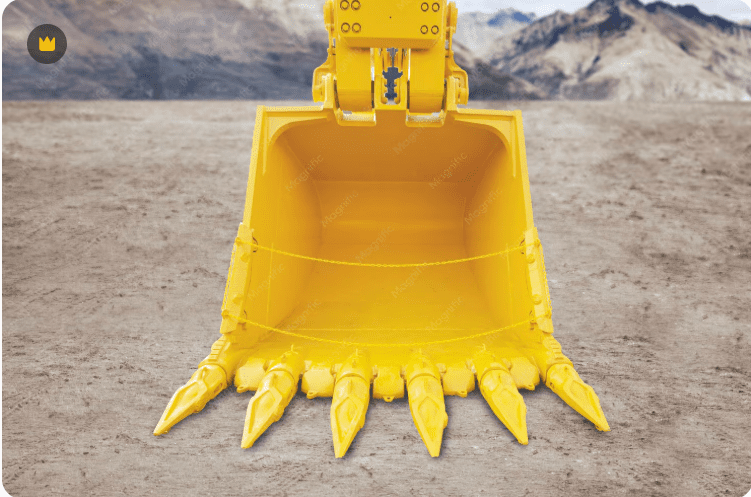
Technically, tooth bucket is not a type bucket separately. Tooth bucket is bucket excavator equipped with teeth (bucket teeth) in part cutting edge.
Some employees / operators in the field sometimes mention bucket teeth this is called a nail bucket.
Bucket teeth this is usually added to the type:
- General Purpose / Standard Bucket
- Heavy Duty Bucket
- Rock Bucket
The difference is in type teeth that used.
General function of use tooth bucket this is among them:
- Reduce machine workload excavator
- Lower resistance material up to 30-50%
- Speed up work cycles
So, there are all kinds bucket teeth and what kind of working conditions are appropriate for each type?
Type Bucket Teeth Excavator
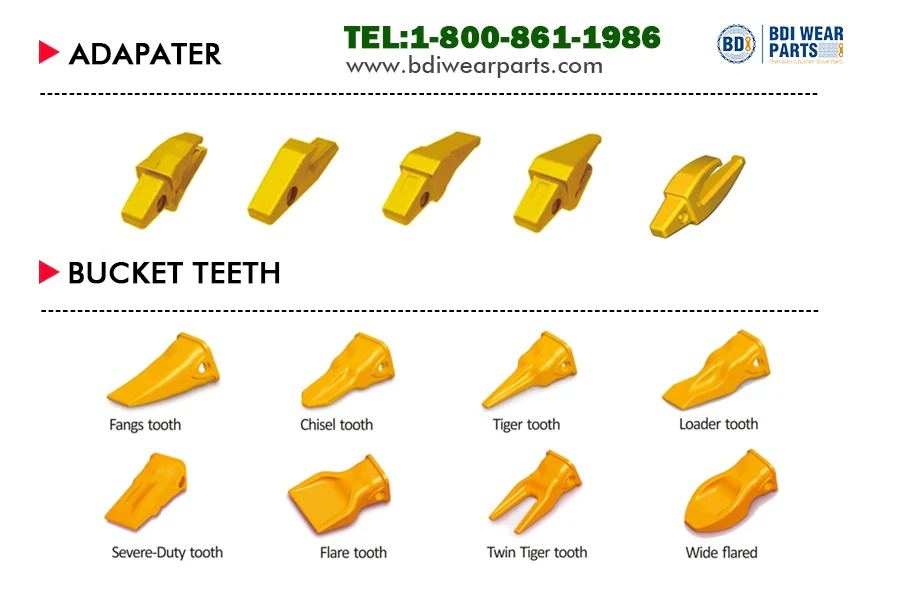
Reference & Source: https://bdiwearparts.com/blogs/news/crusher-parts-everything-you-need-to-know-about-bucket-teeth
1. Chisel Teeth
Type teeth the first and most frequently used is chisel teeth. Chisel teeth It has a flat shape with a sharp tip.
Chisel tooth (several networks chisel teeth) usually used on types general purpose bucket / standard bucket, rock bucket and v-ditch bucket.
Several discussions on the internet also mention it chisel tooth bucket suitable for the material clay & hard ground. Because it has sharp edges, chisel tooth able to penetrate and cut the surface of materials that have high cohesion (dense and sticky).
2. Tiger Teeth
As the name suggests, tiger teeth for bucket excavator This has the tip shape is longer and sharper than the other type teeth the other.
Because it has a small contact area, pressure produced teeth to the material becomes higher. Therefore, tiger tooth bucket very effective for penetrating hard ground and reducing engine load.
3. Severe-duty / Heavy Duty Teeth
Different from chisel teeth, type severe-duty / heavy duty teeth This has a thicker and stronger shape and a wider tip.
Heavy duty teeth this is more commonly used in types:
- Heavy duty bucket
- Rock bucket
Heavy duty teeth chosen because it is not easily eroded by impact high produced hard material, one of them is a stone. So focus on use teeth This type is more about durability, not sharpness.
Read Also:
- Excavator Recommendations 20 Tons for Various Project Needs
- Differences between Long Reach vs Standard Excavators: Function, Advantage, and When to Use
- Komatsu PC200 Bucket Capacity How many m³? These are the complete specifications
4. Twin Tiger Teeth
Different from tiger teeth, type twin tiger teeth has two sharp edges for more even load distribution.
Twin tiger teeth on bucket excavator This is ideal for use in the work area gravel or mixed materials.
5. Flare Teeth
Flare teeth has a wide shape and a flat bottom side.
Generally flare teeth this is used on bucket excavator for digging (dig), grading (flatten) and cleaning (clean) soil material / soft soil.
Usage flare teeth This is able to increase the material carrying capacity per cycle and for efficiency loading which is better.
When to Use Tooth Bucket?
You should start considering using types tooth bucket the right if:
- Hard ground conditions
- Lots of rocky material
- High productivity target
Election bucket with a combination teeth The right ones can increase productivity by up to 40%.
Lifecycle & Maintenance Bucket Teeth
Several studies that you can access on the internet say that age bucket teeth can reach 72–120 working hours.
Sign Bucket Teeth Must be Replaced
- Blunt tip
- The shape seems to change
- Penetration power decreases
Read Also:
- ROI analysis: Which is more profitable?, Heavy Equipment Rental, Buy New or Used?
- It turns out, This 10 Benefits of Heavy Equipment Rental
Tips for Choosing the Right Bucket and Teeth
Choose bucket teeth what is right is not just a matter of "sharp or not", but matter adjust the shape of the teeth to the characteristics of the material and work targets.
Here's how to choose it correctly.
1. Adjust to Material Type
Material determines ideal shape teeth which will be used. Because, Each material has different properties: hard, sticky, or even abrasive.
a. Clay (Clay / Sticky)
Use:
- Chisel teeth
- Tiger teeth
- Twin tiger teeth
Why?
- Clay has high cohesion (dense and sticky)
- It requires a sharp tip to cut through layers of soil and reduce material sticking to the tip bucket
Teeth sharp ones are easier to get in without having to press too hard.
b. Hard Ground / Compacted Soil
Use:
- Tiger teeth
- Twin tiger teeth
Why?
- Hard ground requires high pressure to penetrate
- Tiger / twin tiger teeth has a sharper tip so penetration is easier
c. Rocky Material / Rock
Use:
- Severe-duty / heavy duty teeth
Why?
- Rocks produce high impact and friction
- Teeth It must be thick and not easily broken
Teeth Sharp actually breaks down quickly in this condition.
d. Gravel / A mixture of soil and rock
Use:
- Twin tiger teeth
Why?
- Requires a combination of penetration (sharp) and resilience (not easy to break)
e. Soft Soil / Pasir
Use:
- Flare teeth / standard teeth
Why?
- Does not require high penetration
- Focus more on material volume
Teeth Width helps pick up more material per cycle.
2. Pay attention to the abrasion level of the material
Apart from whether it is hard or not, materials can also abrasive (scrape quickly).
Examples of abrasive materials:
- Batu
- Coarse sand
- Gravel
The impact:
- Teeth wear out quickly
- Shorter shelf life
Solution:
- Use teeth which is thicker
- Avoid use teeth which is too sharp if not needed
3. Adjust to work targets (Speed vs Durability)
Election teeth always involved trade-off:
| Target | Use Teeth | Character |
| High speed | Tiger / Chisel | Sharp, fast |
| Long lasting | Heavy duty | Thick, durable |
| Balanced | Twin tiger | Combination |
Teeth Sharp makes it easier to penetrate the ground, but it will wear out faster.
Teeth thicker more durable, but it requires more power to penetrate the material.
So, There isn't any teeth the best, the one that best suits your target.
4. Pay attention to field conditions (Wet vs Dry)
Soil conditions greatly affect performance teeth.
a. Wet Conditions / Muddy
- Material tends to be sticky
- Use teeth sharp (chisel / tiger)
Helps “cut” and reduces sticking material.
b. Dry Conditions & Hard
- Use teeth high penetration (tiger teeth)
Reduces machine load when digging.
5. Recognize the Signs Teeth which is not suitable
This point needs to be paid attention to by operators excavator.
Sign of wrong choice teeth:
- The excavator feels "heavy" when digging
- The bucket is difficult to enter the ground
- Fuel is more wasteful than usual
- Teeth wear or break quickly
- Cycle time longer
If this happens, most likely type teeth used is not suitable for the material.
Excavator Solutions from PT Perkasa Sarana Utama
So that you avoid the risk of making the wrong choice tooth bucket, PT Perkasa Sarana Utama ready to provide technical consulting services so that teeth bucket which you choose according to the project conditions.
PT Perkasa Sarana Utama provides:
- Excavator with various types of buckets
- A complete selection of teeth
- The unit is ready to work and well maintained
Contact the PT Perkasa Sarana Utama team now for the best deals and unit availability this week.
WhatsApp: 0812-5233-3349
Email: rent@psualatberat.com
Website: psualatberat.com
FAQ
What is an excavator bucket tooth?
Excavator bucket equipped with teeth to increase digging efficiency.
Is tooth bucket a type of bucket?
Nope, but rather a bucket configuration with teeth.
When to use a tooth bucket?
When facing hard ground, batu, or a big project.
Apakah bucket teeth worth it?
Of, because it increases productivity and cost efficiency.
How old are bucket teeth?
Approximately 72–120 hours of use depending on working conditions.