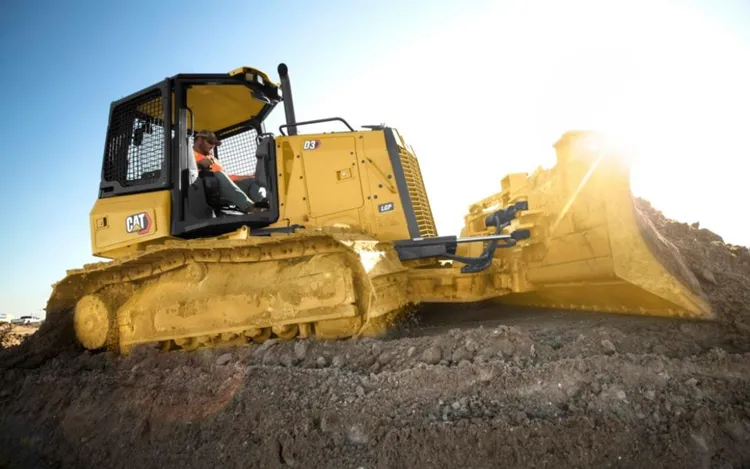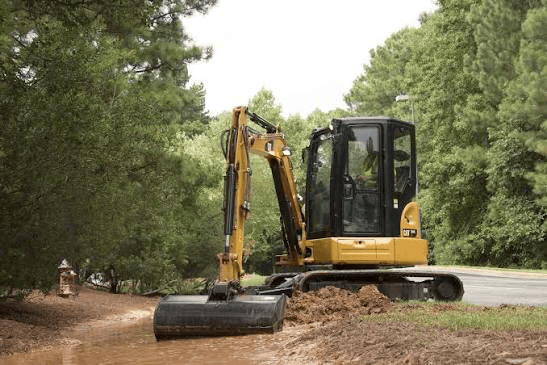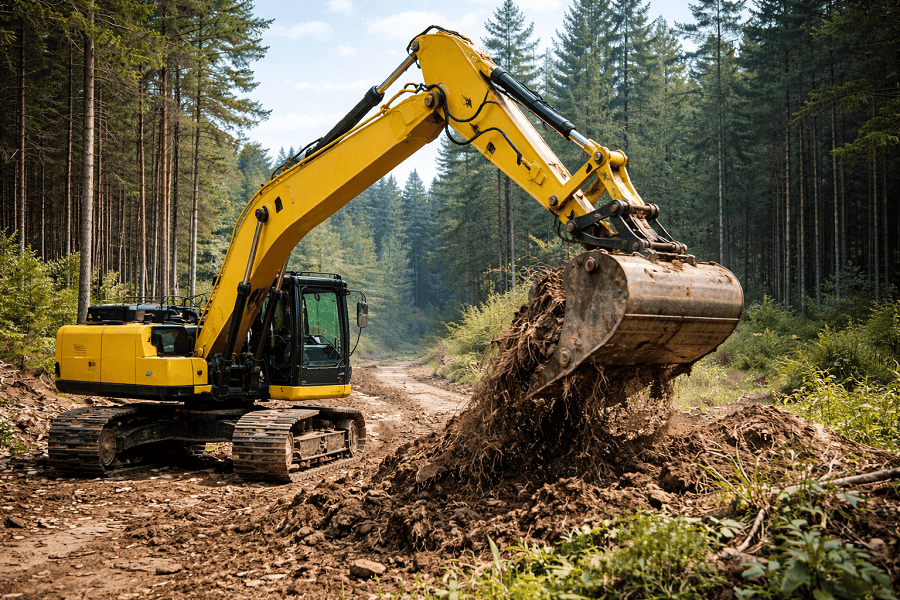

In construction projects, Heavy equipment is not just a work supporter, but it is strategic assets that greatly influence costs, productivity, and project profits. Mistakes in determining the heavy equipment usage scheme can have a direct impact on cost overruns and low operational efficiency. Therefore, many in the construction industry are now starting to consider this decision in perspective Return on Investment (ROI).
The question that often arises is, it is more profitable to rent heavy equipment, buy a new unit, or buy used heavy equipment? To answer it, a comprehensive analysis is needed that does not just look at the initial price, but also operational costs, risk, and flexibility of use in the field. Let's understand here!
Understanding ROI in Heavy Equipment Investment
ROI or Return on Investment is an indicator to measure how much profit is obtained compared to the total costs incurred. In the context of heavy equipment, ROI is not only calculated from the purchase or rental value, but also includes various other components such as maintenance costs, downtime, fuel consumption, to the level of tool utilization during the project.
The higher the level of tool utilization and the smaller the unexpected costs, then the ROI produced will be even better. This is why decisions regarding heavy equipment must be tailored to the character and duration of the project.
Option 1 – Heavy Equipment Rental
Rent heavy equipment is a commonly used choice, especially for projects with limited duration or varying tool requirements. In the rental scheme, contractors do not need to incur large initial investment costs because payments are made daily, weekly, or monthly according to agreement.
Costs and Characteristics of Heavy Equipment Rental
Rental fees generally include the condition of the unit being ready for work. On some contracts, Routine maintenance and technical support are also included. This makes the cost structure easier to predict and control from the start.
ROI from a Rental Perspective
In terms of ROI, Heavy equipment rental tends to be more efficient for short to medium term projects. The risk of damage and major maintenance costs are not entirely the responsibility of the renter. Besides that, contractors have the flexibility to adjust the type and capacity of equipment according to project needs without being tied to long-term ownership.
However, for very long term projects with intensive use, Accumulative rental costs can be higher than ownership options.
Option 2 – Buying New Heavy Equipment
Buying new heavy equipment is often considered a long-term investment. The new unit offers excellent engine condition, latest technology, as well as a long service life if treated well.
Large Initial Cost Commitment
The price of new heavy equipment is relatively high and requires large capital at the start. Apart from the unit price, There are additional costs such as taxes, insurance, operator training, as well as maintenance facilities.
New Machine ROI
The ROI from purchasing a new tool is highly dependent on utilization rates. If the tool is used consistently across multiple projects, then this investment can provide long-term profits. On the contrary, if the tool is often idle due to project breaks, then the ROI will be low because the cost of ownership continues even if the tool does not produce results.
Option 3 – Buying Used Heavy Equipment
Used heavy equipment is an alternative for contractors who want to reduce initial costs. The lower purchase price makes this option look attractive from an investment perspective.
Potential and Risks of Used Heavy Equipment
If the condition of the unit is still good and the maintenance history is clear, Used heavy equipment can provide a relatively quick ROI. However, the risk of damage and downtime tends to be higher compared to new units. Unexpected repair costs are often a major challenge in using used heavy equipment.
This option is more suitable for companies that have an internal team of mechanics and experience in managing heavy equipment independently.
Rental ROI Comparison, Buy New, and Containers
In general, Heavy equipment rental excels in flexibility and minimal risk. Purchasing new equipment provides long-term stability with high utilization requirements, whereas used machines offer low initial costs at the cost of greater technical risk.
Selection of the best option depends a lot on:
- Project duration
- Intensity of tool use
- Availability of care team
- Company cash flow conditions
There is no one correct choice for all projects.
Read Also: 10 Benefits of Heavy Equipment Rental
Heavy Equipment Rental at PSU as a Strategic Project Solution
In many cases, renting heavy equipment is the most rational solution, especially for contractors who want to maintain healthy cash flow and avoid the risks of long-term asset ownership. With a rental scheme, the company's focus can be directed entirely towards completing projects and achieving targets.
As a heavy equipment provider, PT Perkasa Sarana Utama (PSU) providing units that have gone through a periodic inspection and maintenance process so that they are ready to be used in various project conditions. With the support of a reliable and well-maintained unit, the risk of downtime can be reduced and project productivity maintained.
ROI analysis shows that the decision between rent, buy new, or buy used must be adjusted to the needs and project strategy. Heavy equipment rental offers flexibility and cost efficiency for many project scenarios, while tool ownership is more appropriate for long-term use with high utilization.
By considering ROI comprehensively, contractors can make more informed decisions, efficient, and sustainability in heavy equipment management.
Come on, contact us now so that your project runs smoothly at an affordable cost with PT Perkasa Sarana Utama (PSU)
- WhatsApp: 0812-5233-3349
- Email: rent@psualatberat.com
- Website: psualatberat.com