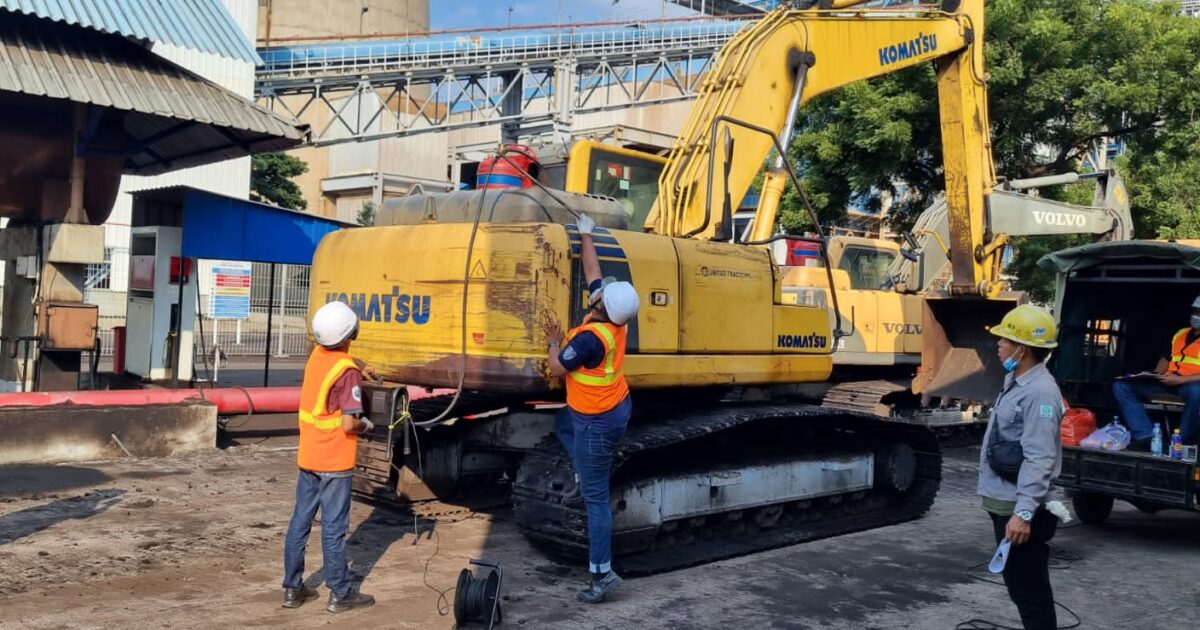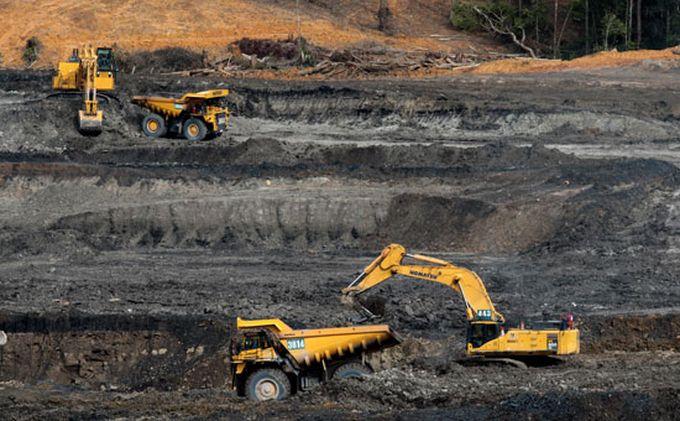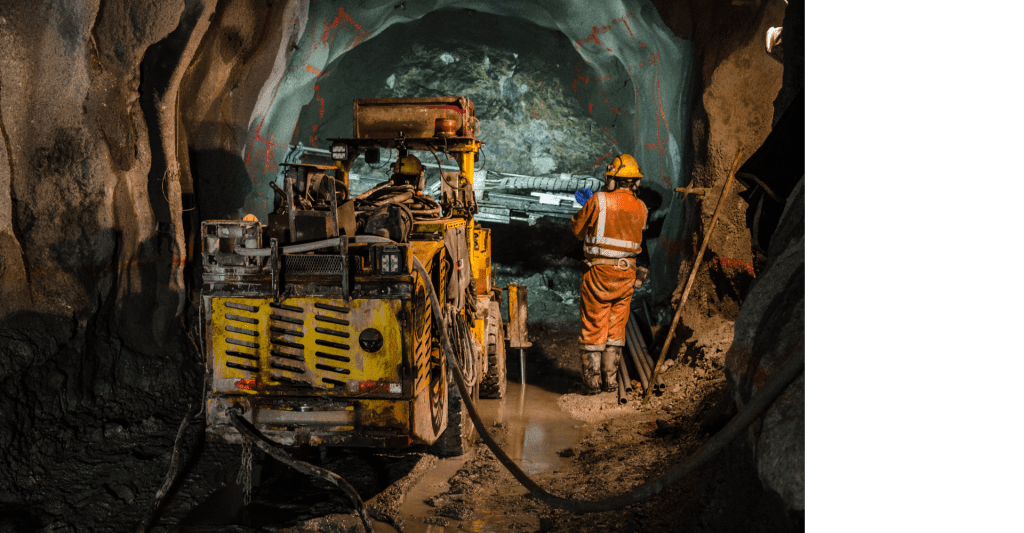

In the construction industry, mining, logistics, to infrastructure projects, use of heavy equipment such as excavators, crane, bulldozer, and loaders are an important part of project operations. However, there are still many companies that do not fully understand that heavy equipment operators are required to have an SIO (Operator's License) and the heavy equipment used must have a SILO (Operation Worthy Permit).
Without these two documents, Companies not only face the risk of work accidents, but also has the potential to be subject to legal sanctions, fine, until project termination.
This regulation is directly supervised by the Ministry of Manpower of the Republic of Indonesia as part of the implementation of Occupational Safety and Health standards (K3) in an industrial environment.
So what exactly are SIO and SILO?, why both are mandatory to have, and what the consequences will be for the company if it ignores it? Read the complete explanation below.
What is SIO? (Heavy equipment operator permit)?
SIO (Operator's License) is an official document that states that a person has the competence and permission to operate certain heavy equipment legally and safely.
SIO is given to operators who have taken the relevant training and competency tests:
- heavy equipment operation
- Work safety procedure
- basic maintenance of equipment
- operational risk management
This certification is issued based on regulations from the Ministry of Manpower of the Republic of Indonesia.
Why Heavy Equipment Operators Are Required to Have SIO?
Heavy equipment operators play an important role in maintaining work safety on projects. Without adequate competence, the risk of accidents will increase significantly.
Some of the reasons why SIO is a must have include::
- Meet K3 Regulations : Operators without SIO are considered not to meet national work safety standards.
- Guarantee Operator Competence : Certified operators have received professional training regarding equipment operational techniques.
- Reducing the Risk of Work Accidents : Trained operators are able to identify potential hazards in the project area.
- Increase Operational Efficiency : Experienced operators can operate the tool more effectively and efficiently.
What is Silo (Operation Worthy Permit)?
Apart from operators who are required to have SIO, Heavy equipment is a must too have SILOs (Operation Worthy Permit). SILO is a document that states that heavy equipment has gone through a technical inspection and is declared safe for use in project operations.
Examinations to obtain a SILO usually include::
- machine condition
- hydraulic system
- braking system
- tool frame structure
- operator security system
With the Silo, Companies can ensure that the heavy equipment used meets operational safety standards.
Difference between SIO and SILO in Heavy Equipment
There are still many companies that consider SIO and SILO to be the same document, even though both have different functions.
| Aspect | SIO | SILO |
| Ownership | Operator | Heavy equipment |
| Function | Permission to operate equipment | Proof of suitability of the tool |
| Objective | Operator competency | Tool safety |
| Applied to | Labor force | Work equipment |
Both are important parts of the Occupational Safety and Health system (K3).
Legal Regulations Related to SIO and SILO
The use of heavy equipment in Indonesia is regulated by various work safety regulations, One of which is:
Law No. 1 Year 1970 about Work Safety, This law requires companies to:
- ensure safe work tools are used
- ensure workers have appropriate competencies
- keep workers safe at work
If the company violates these rules, then you may be subject to administrative or criminal sanctions.
Sanctions If Heavy Equipment Operators Do Not Have SIO
Many companies consider SIO to be just a formality. Whereas, This violation can have serious consequences.
The following are some of the sanctions that can be imposed.
1. Reprimand and Termination of Operations
Labor inspectors can provide:
- written warning
- temporary suspension of equipment operations
- termination of project activities
2. Administrative Fines
Companies can also be fined for violating work safety standards. Besides that, The company can also experience losses such as:
- project delayed
- operational costs increase
- project contracts are threatened
3. Legal Responsibility If an Accident Occurs
If a work accident occurs due to an operator without SIO, the company can be considered negligent in meeting work safety standards.
The consequences:
- the company can be sued
- Project leaders can be held accountable
- the company's reputation is damaged
Risks if heavy equipment does not have a SILO
Apart from operators, The condition of heavy equipment also greatly determines work safety. If the heavy equipment does not have a SILO, the following risks may occur.
1. Sudden Equipment Damage
Heavy equipment that does not go through technical inspection is at risk of experiencing:
- machine damage
- hydraulic system problems
- braking system failure
2. Work accident
Heavy equipment that is not suitable for operation can cause:
- the tool rolled over
- falling material
- tool collision in the project area
3. Project Termination
If violations are found during the K3 inspection, the project may be paused until safety requirements are met. This will certainly be detrimental to the company in terms of time and costs.
Safe Solution: Use a Certified Heavy Equipment Provider
To avoid these various risks, Many companies now choose to use professional heavy equipment providers who already provide them:
- SIO certified operator
- heavy equipment with active SILO
- complete work safety standards
One of these service providers is PT Perkasa Sarana Utama.
Advantages of Using PT Perkasa Sarana Utama Services
PT Perkasa Sarana Utama provides various heavy equipment services that are ready to be used for various industrial projects. Some of the advantages include::
- SIO Certified Operator : Operators have official certification so they are able to operate heavy equipment safely.
- Heavy Equipment Has a SILO : Each unit of heavy equipment has gone through a technical inspection and has an Operational Permit.
- Guaranteed K3 Standards : The company implements work safety standards in accordance with applicable regulations.
- Suitable for Various Projects : Heavy equipment services can be used for:
- construction project
- infrastructure projects
- mining project
- industrial project
Don't Take Risks with Uncertified Operators
Using operators without a SIO or machines without a SILO may seem like a way to save costs. However, the risks posed are much greater, like:
- work accident
- legal sanctions
- financial loss
- damage to the company's reputation
Because of that, ensuring the legality of the operator and the suitability of the heavy equipment is an important step in maintaining the smooth running of the project.
Use Legal and Safe Heavy Equipment from PT Perkasa Sarana Utama (PSU)
If you need safe heavy equipment, legal, and ready to use for projects, Trust the services of PT Perkasa Sarana Utama.
PSU provides complete heavy equipment with SIO certified operators as well as equipment with official SILO, so that your project operations are safer, efficient, and in accordance with work safety standards.
By choosing a professional heavy equipment provider, You're not just protecting workers in the field, but also protects the company from various legal and operational risks. Come on, entrust your fleet of heavy equipment for your project by contacting us here:
- WhatsApp: 0812-5233-3349
- Email: rent@psualatberat.com
- Website: psualatberat.com
FAQ
- Are heavy equipment operators required to have SIO??
Of. Heavy equipment operators are required to have SIO (Operator's License) as proof of competency and official permission to operate heavy equipment.
- What is a SILO on heavy equipment?
SILO (Operation Worthy Permit) is a document stating that the heavy equipment has gone through a technical inspection and is declared safe to use.
- What are the sanctions if heavy equipment does not have a SILO??
The company may be subject to sanctions in the form of a warning, operational cessation, up to administrative fines.
- Why companies should use certified operators?
Certified operators understand work safety procedures better so they can reduce the risk of accidents on projects.