
If you have worked on road projects several times or maybe this is your first time doing this type of project, as a reminder that road construction has several stages of work.
Starting from land preparation, earthworks, foundation layer construction, to the road pavement, Each stage requires different heavy equipment according to the characteristics of the work being carried out.
Understanding the heavy equipment used in road projects will not only help you, as a contractor, to determine tool requirements more accurately, but also helps the project owner understand how each job is carried out in the field. By choosing the right heavy equipment, work can be completed more efficiently without sacrificing construction quality.
General Stages of Road Construction
Ideally, Road construction has the following work sequence:
- Survey and Preparation
- Land Clearing
- Excavation and Embankment
- Subgrade Formation
- Subbase Course
- Base Course
- Road Paving
- Drainage and Finishing
Each stage has a different goal so heavy equipment used are different. Because of that, to understand the need for heavy equipment on road projects, the discussion needs to follow the flow of construction work sequentially.
- Survey and Preparation Stage
Before construction work begins, the project team must ensure road alignment, elevation, work limits, and topographic conditions in accordance with the planned design.
At this stage survey equipment is used such as total station, GPS survey, and drone mapping to carry out measurements and map the project location. The survey results are the basis for calculating the volume of earthworks, material needs, and planning the use of heavy equipment during the project.
On several projects, excavator It is also used to make trial pits to determine the condition of the soil layer that will become the base road construction.
- Level of Land Clearing
Once the project area is defined, work continues with land clearing. The main goal of this stage is to remove vegetation, tree, root, Check, as well as old buildings that are on the road construction route.
Bulldozer becomes the main tool at this stage because it has the ability to push large amounts of material and is able to work in various terrain conditions. For demolition work that requires greater reach and digging power, usage excavator tends to be chosen because it is considered more effective.
The speed of completion of land clearing greatly influences the start of earthworks. Therefore, The capacity of the tool must be adjusted to the area to be cleaned.
- Mine Levels and Stacks (Earthwork)
Excavation and embankment work is carried out to form road elevations in accordance with planning drawings. At this level, The volume of material moved is usually one of the largest jobs in a road project.
Excavator used to dig the ground and load the material inside dump truck. The material is then transported to a landfill area or disposal location. After the material is placed, bulldozer used to spread material so that it is ready to be shaped at the next stage.
Earthwork productivity is influenced by several factors such as capacity bucket excavator, transport distance dump truck, material conditions, as well as operator skills. Because of that, Planning the number and capacity of tools is an important factor in maintaining daily productivity targets.
- Subgrade Forming and Compaction Levels
Subgrade is the base soil layer that will bear the load of the entire road structure above it. The quality of the subgrade greatly determines the long-term stability of road construction.
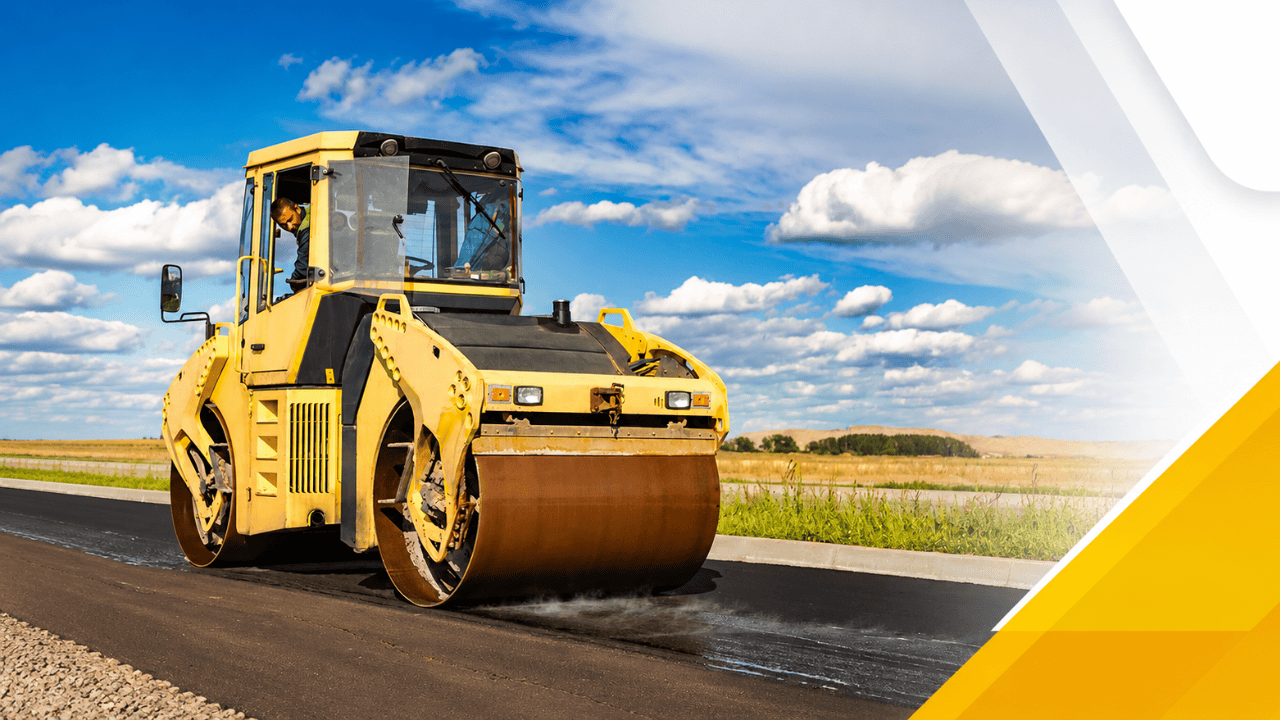
Motor grader used to form the elevation and slope of the surface according to the design. Once the final shape is achieved, soil layer is compacted using roller until it meets the required density level.
At this level, The main aim of compaction is to increase the strength of the soil structure so that it is able to accept the load from the foundation layer and vehicle traffic that will pass over it.
Subgrades that do not meet specifications can cause a decrease in the road surface, premature cracking, and unevenness in the pavement layer.
- Road Foundation Layer Construction Stage
After the subgrade is complete, work continues with the construction of the lower foundation layer (subbase course) and the top foundation layer (base course).
The foundation layer functions to spread the vehicle load from the pavement layer to the subgrade so that the pressure received by the subgrade is smaller.
Aggregate materials are usually transported using dump truck from the quarry or stockpile to the work site. Wheel loader used to load materials onto transport vehicles, whereas motor grader tasked with leveling the material according to the design thickness.
After the alignment process is complete, rollers are used to achieve the required level of density.
The type of roller used needs to be adjusted to the characteristics of the material. Vibratory roller generally used at the beginning of the compaction of granular materials such as aggregate and crushed stone. Furthermore, Pneumatic Tire Roller (PTR) or tandem roller without vibration is often used at the final stage to level the surface and close fine pores above the aggregate layer.
- Selecting the Type of Road Pavement: Asphalt or Concrete
After the foundation layer is completed, The project is entering the road pavement stage. At this stage there are two types of pavement that are most commonly used, namely the road asphalt and concrete roads.
The choice of pavement type is usually determined based on traffic volume, type of vehicle passing, road plan age, as well as consideration of construction and maintenance costs.
Asphalt Pavement (Flexible Pavement)
Asphalt pavement uses a mixture of aggregate and asphalt as the main layer that accepts vehicle loads.
Before spreading is done, the foundation surface is sprayed using asphalt distributor to provide a bonding layer between layers.
The hot asphalt mixture is then spread using asphalt paver so that the thickness and profile of the road matches the design. After that, compaction is carried out using tandem roller and pneumatic tire roller until it reaches the specified density level.
Asphalt pavement is widely used because the construction process is relatively fast and the initial construction costs are generally lower than concrete roads.
Concrete Pavement (Rigid Pavement)
Concrete pavement uses cement concrete as the main structural layer.
In this system, Concrete mix is produced in a concrete batching plant and transported to the site using concrete mixer truck. The process of forming the road surface is carried out using concrete paver or slipform paver.
After the casting process is complete, Concrete surfaces can be given texture using concrete texturing machine to increase the traction of vehicle tires.
Concrete roads are generally chosen in areas with high heavy vehicle loads because they have longer durability and lifespan.
- Drainage and Finishing Levels
The final stage in the road project is the construction of a drainage system and work to improve the area around the road.
Excavator used to dig drainage channels, installing culverts, and form drainage channels. In work involving large concrete elements such as box culverts, mobile crane more ideally used to help the installation process.
Drainage that is well designed and constructed helps reduce standing water on the road and protects the foundation layer from damage due to water infiltration.
Factors Determining Heavy Equipment Selection on Road Projects
Heavy equipment selection must consider the overall project characteristics, not just the type of work performed.
Some of the main factors to consider include the volume of work, project completion target, soil conditions, material transport distance, access to the project site, as well as the width of the available work area.
For example, Environmental road projects with limited work volume may be of sufficient use class excavator 20 ton and medium capacity dump truck. On the contrary, Toll road or national road projects with large volumes of work require a combination of more equipment and higher capacities so that production targets can be achieved.
Mistakes in determining tool capacity can cause operational costs to increase without providing a commensurate increase in productivity.
Heavy Equipment for Road Projects Available at PT Perkasa Sarana Utama
| Road Project Stages | PSU Heavy Equipment |
| Land Clearing | Bulldozer, Excavator |
| Excavation and Embankment | Excavator, Long Arm Excavator |
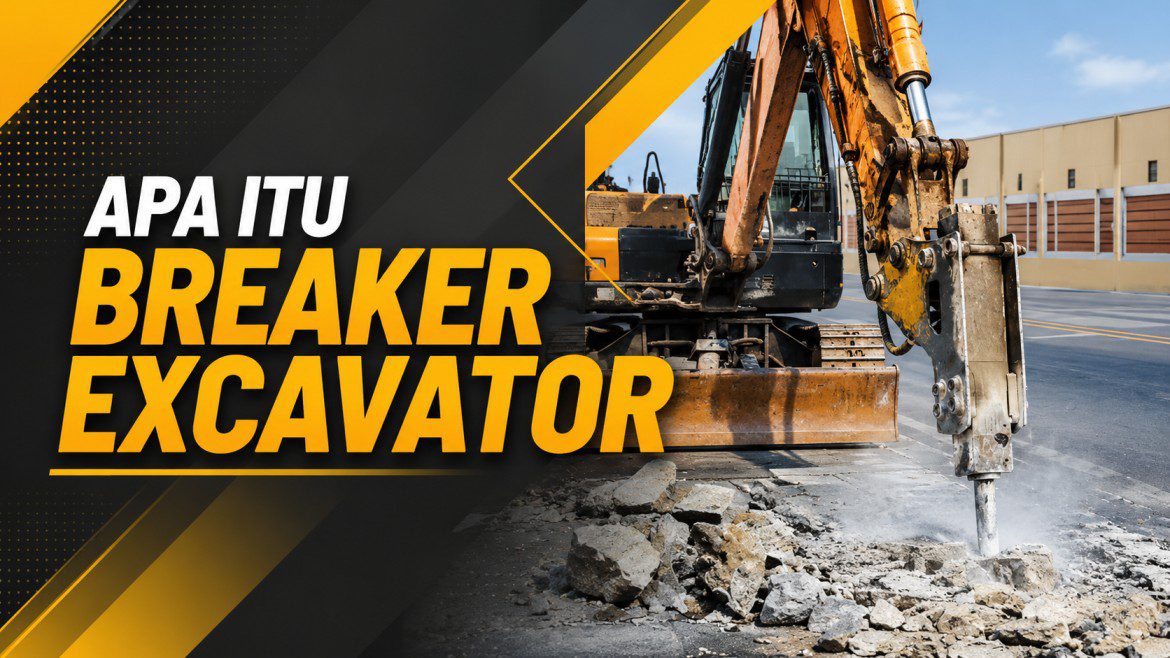
| Demolition of Concrete or Rock | Breaker Excavator |
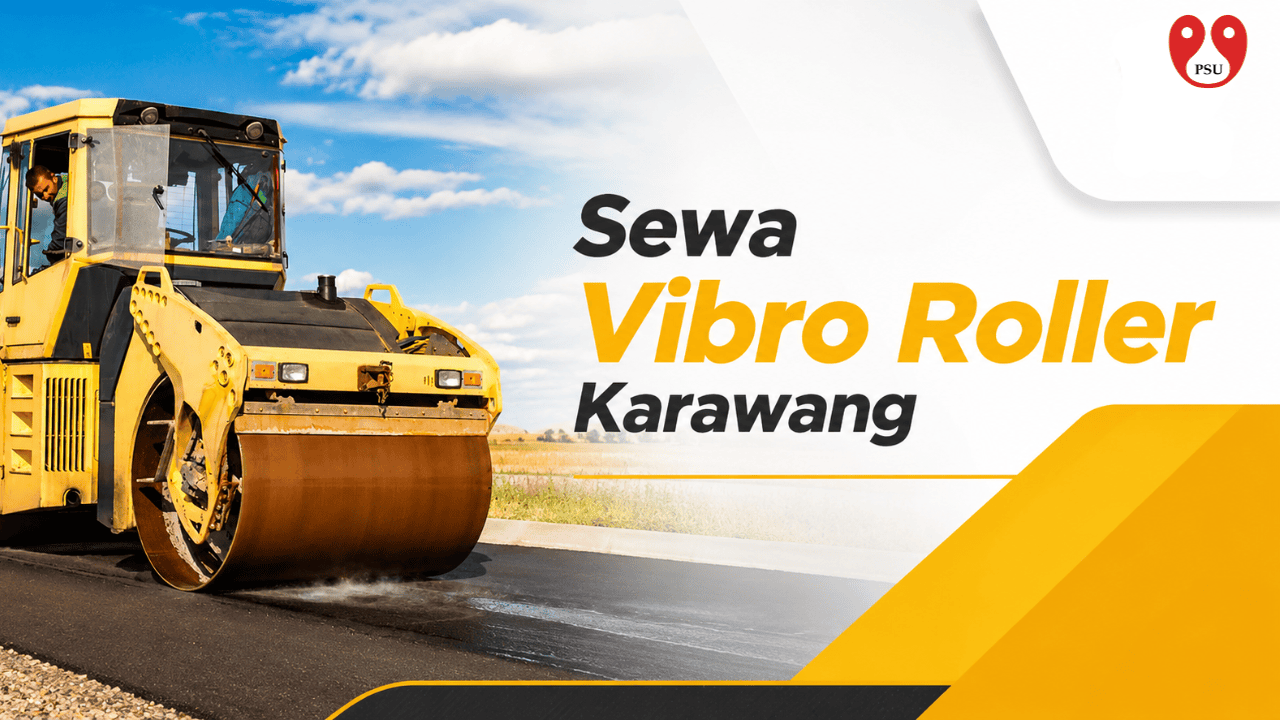
| Subgrade and Base Course Compaction | Vibro Roller |
| Material Handling | Wheel Loader |
PT Perkasa Sarana Utama provide rental of various heavy equipment which can be adapted to the needs of the road project, starting from land preparation work to building the foundation layer.
PT Perkasa Sarana Utama Team ready to provide recommendations and the best solutions for heavy equipment needs in accordance with road construction projects.
Conclusion
Road construction involves various types of heavy equipment which are used in stages according to work requirements. Starting from bulldozers and excavators to preparation work and earthwork, motor grader and roller for forming and compacting construction layers, to asphalt paver or concrete paver at the pavement stage. Each tool has a different role in supporting quality, productivity, and efficiency of project implementation.
Apart from understanding the function of each tool, contractors and project owners also need to consider the volume of work, field conditions, completion target, as well as the type of pavement used in order to determine the most suitable combination of tools. Choosing the right tool not only helps speed up the work, but also reduces the risk of delays and cost overruns during the project.
If you need heavy equipment for a road construction project, PT Perkasa Sarana Utama provides a variety of unit options that can be adapted to work needs, starting from Excavator, Long Arm Excavator, Breaker Excavator, Bulldozer, Vibro Roller, until Wheel Loader. With the right heavy equipment support, each stage of work can run more effectively so that the project can be completed according to the planned target.
Quick contact the PT Perkasa Sarana Utama team right now for the best offers and unit availability this week.
WhatsApp: 0812-5233-3349
Email: rent@psualatberat.com
Website: psualatberat.com