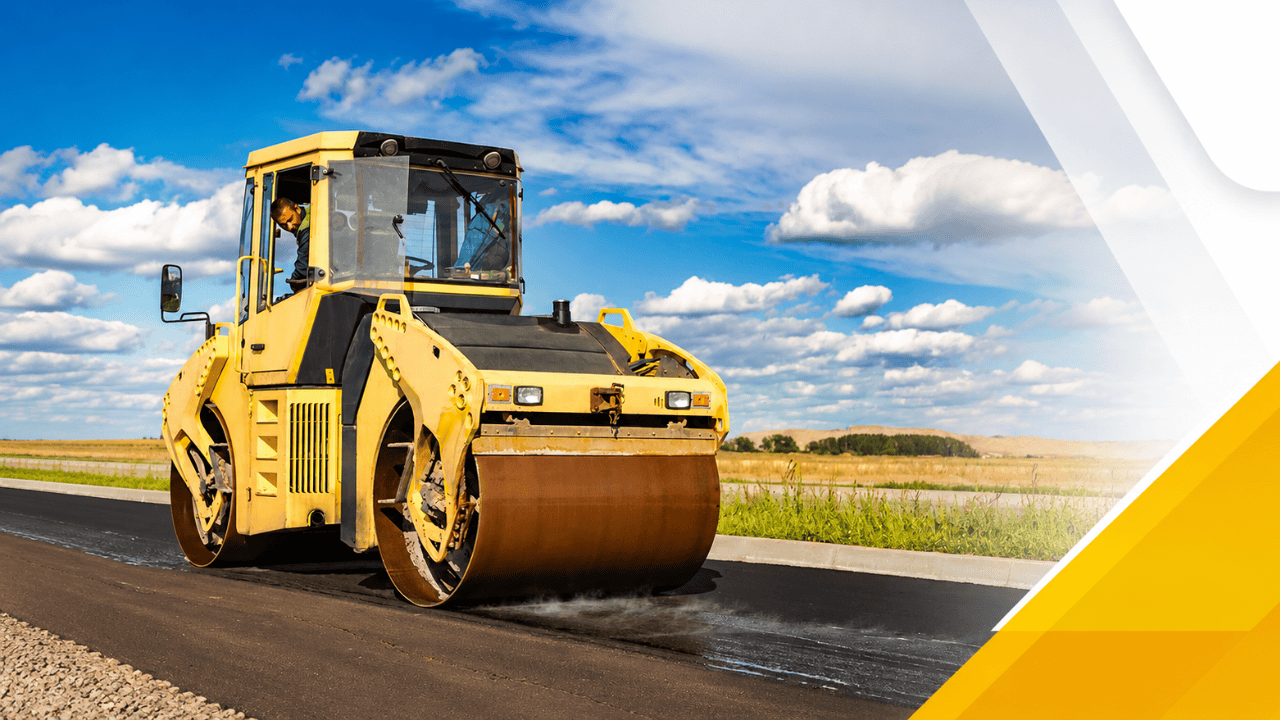

On compaction work, Errors in selecting tools are often not immediately visible. The surface looks neat, but a few months later a crack appeared, wave, or reduction in carrying capacity. In many cases, the root of the problem is simple: the roller used is not suitable for the function of the compacted layer.
The two tools that are most often compared are tandem rollers and vibro rollers. Both are used for compaction, but work on different principles and are aimed at different project needs.
Understanding the Function of Compaction in Construction Projects
Compaction aims to increase the density and stability of the material so that it is able to withstand the load on it. Each layer, starting from the subgrade to the asphalt layer, requires a specific compaction approach.
Because of that, choosing a roller is not a matter of unit availability, but rather a matter of suitability of the tool to the type of material and stage of work.
What is Tandem Roller?
Tandem roller is a roller with two steel drums (front and back) which is generally used for asphalt surface compaction or final layer.
Main characteristics:
- Two parallel steel drums (tandem)
- Compaction is more static or light vibration
- Focus on producing a smooth and even surface
General application:
- Road paving
- Finishing layer compaction
- Areas that demand a high level of flatness
Tandem rollers are not designed to compact thick layers of subgrade or coarse granular materials. Using it in the early stages of work is not effective.
What is a Vibro Roller?
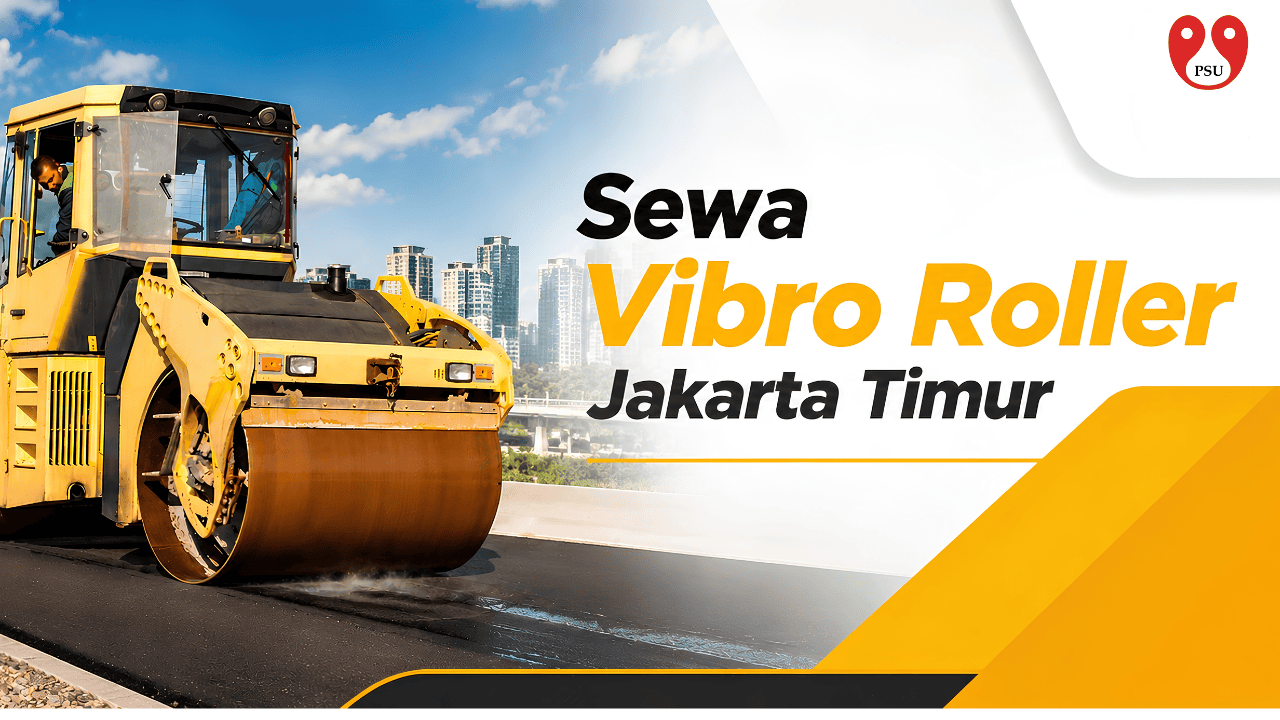
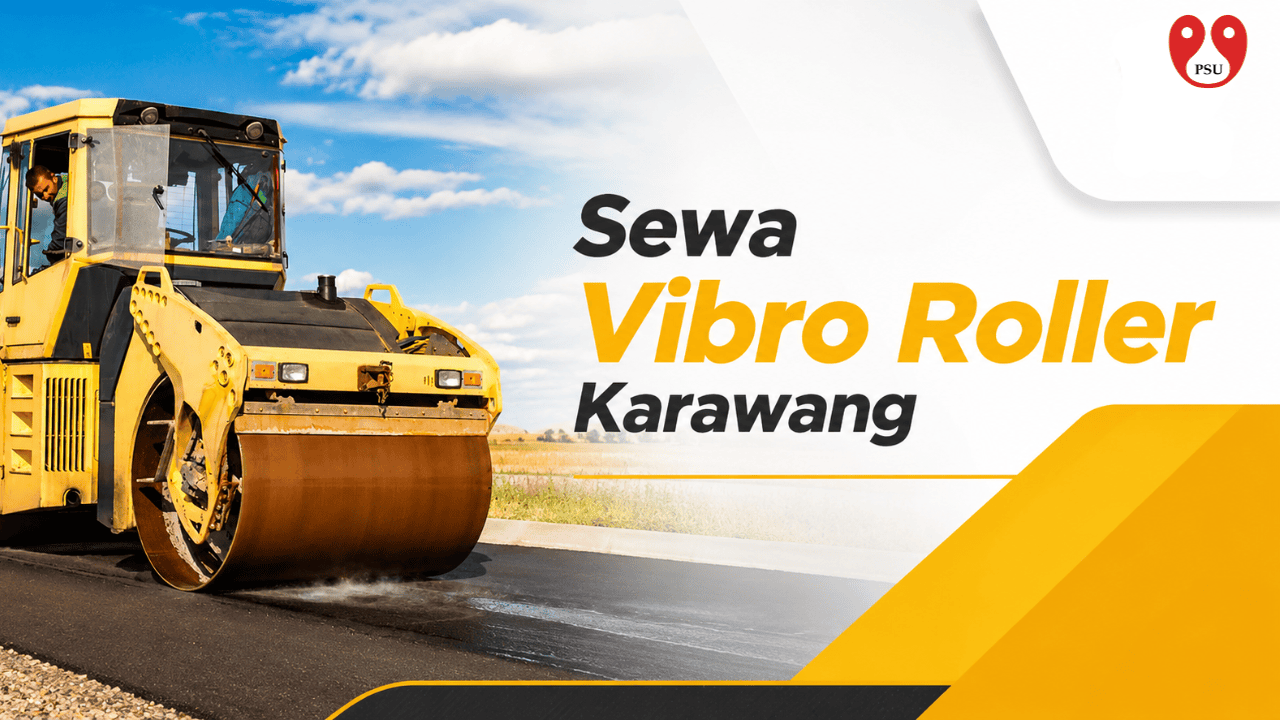
Vibro roller works by combining unit weight and vibration (vibration) to produce a deeper compaction style.
Main characteristics:
- One or two drums with a vibration system
- High compaction style
- Effective for granular materials and basic soil
General application:
- Soil compaction (subgrade)
- Base and sub-base layer compaction
- Road project, industrial area, and large-scale infrastructure
The vibro roller is designed to ensure the bottom layer is completely compacted before work continues to the next stage.
Practical Differences between Tandem Roller and Vibro Roller
The main difference between these two tools can be seen from the layer functions they handle:
- Tandem roller: focus on the finish and surface quality
- Vibro roller: focus on the structural strength of the bottom layer
Using a vibro roller on a thin layer of asphalt can damage the surface, while using a tandem roller on subgrade has the risk of producing suboptimal compaction.
Impact of Choosing the Wrong Roller on the Project
Roller selection errors are not always immediately visible, but the impact is significant:
- The quality of the road or work area decreases
- Shorter construction life
- Repair costs increase
- Projects are at risk of failing to meet technical standards
In the context of medium to large scale projects, This risk becomes a cost and reputation burden for the job owner.
Adjusting Rollers to Project Needs
The right approach is to match the type of roller with:
- Type of compacted material
- Stage of work (beginning or finishing)
- Targeted density standards
- Project scale and duration
As a heavy equipment rental provider, PT Perkasa Sarana Utama providing vibro roller units and other compaction rollers that are regularly maintained and ready for use according to project needs. This approach helps clients ensure that the tools used are truly appropriate for their work function in the field.
Contact us to rent Tandem Rollers and Vibro Rollers
Understanding the difference between a tandem roller and a vibro roller helps ensure each stage of the compaction job is done with the right tools. This is an important part of maintaining construction quality and project sustainability.
For further information regarding roller and other heavy equipment rental services, You can visit website PSU or contact our team according to your project needs.