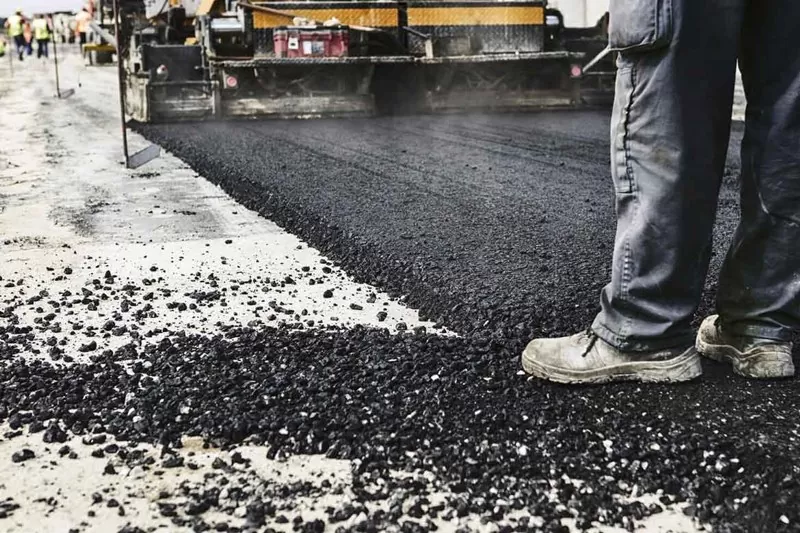
The ideal asphalt thickness for roads is generally between 3-5 cm for environmental and residential roads. Meanwhile, Roads that are frequently used by heavy vehicles such as trucks and buses require a thicker pavement structure, about 10–15 cm or more.
Determining the thickness of asphalt needs to be adjusted to the function of the road, traffic volume, vehicle load, and basic soil conditions. In this article, We will discuss the ideal asphalt thickness based on road type, factors that influence its thickness, as well as heavy equipment needed for asphalting work.
How many cm of Ideal Asphalt Thickness Based on the Type of Road?
Asphalt thickness cannot be generalized for every type of road. Residential roads that are only used by private vehicles certainly have different needs from industrial roads that are often passed by heavily laden trucks.
The following is an overview of the thickness of solid asphalt that is commonly used based on road function and vehicle load.
| Road Type | Common Thicknesses of Solid Asphalt | Information |
| Gang, page, and private car parking area | 2–3 cm | Generally use a thin layer over a good foundation |
| Village or neighborhood roads | 3–5 cm | Suitable for private vehicles and light vehicles |
| Main residential or urban street | 5–7 cm | More suitable for medium traffic and light transport |
| City streets or arteries | 7–10 cm | Requires more detailed pavement structure planning |
| Industrial road, logistics, and truck lanes | 10–15 cm | Generally using several layers of pavement |
It should be noted that these figures are a general illustration. The final thickness still needs to be determined based on technical planning, soil bearing capacity, as well as the traffic load that the road will receive.
Read too: Types of Asphalt Materials Used in Indonesia
Asphalt Thickness for Home and Residential Roads
For the driveway, gang, or residential areas where more cars and motorbikes pass by, Hotmix asphalt thickness of around 4–5 cm can be a general choice. This thickness needs to be supported by a well-compacted aggregate foundation so that the road surface is not easily bumpy or damaged.
If the road is occasionally passed by heavier vehicles, such as small trucks or material transport vehicles, thickness requirements need to be evaluated. One option that can be considered is adding an AC-BC binder layer to make the pavement structure stronger.
Asphalt Thickness for Roads and Industrial Areas
Highways and industrial areas require stronger pavement structures because they receive larger traffic volumes and vehicle loads. For these needs, Road construction generally uses several layers of asphalt, not only thickens the surface layer.
As an illustration, layered pavement structures can use minimal AC-Base 6 cm, AC-BC minimal 5 cm, and minimal AC-WC 4 cm. With this arrangement, the total thickness of the asphalt layer reaches approx 15 cm.
Actual needs must still be adjusted to the results of the project's technical planning.
What are the factors that determine the thickness of asphalt?
Before determining the thickness of the asphalt, there are several things that need to be taken into account. These factors influence the strength of the road structure and its ability to withstand loads in the long term.
1. Vehicle Volume and Load
The higher the traffic volume and the heavier the vehicles passing, the greater the need for structural strength of the road pavement. Roads where only private cars pass have different needs from logistics routes which are often used by heavily laden trucks.
Repeated vehicle loads can accelerate damage if the thickness of the asphalt layer and foundation is not planned properly. Because of that, industrial road, mining, and warehouse areas require more careful structural calculations.
2. Types of Asphalt Coating
The asphalt road structure can consist of several layers that have different functions. Each layer helps distribute the vehicle's load and protects the construction underneath.
The following are several types of asphalt layers that are commonly used:
- AC-WC (Asphalt Concrete-Wearing Course): The top layer that is in direct contact with the vehicle tire. The thickness is generally around 3–5 cm.
- AC-BC (Asphalt Concrete-Binder Course): The binding layer that is under the AC-WC. The thickness is generally around 4–6 cm.
- AC-Base (Asphalt Concrete-Base): Asphalt foundation layer that helps support the weight of the vehicle. The thickness can reach 5–6 cm or more according to design requirements.
The choice of type and thickness of each layer needs to be adjusted to the function of the road and the results of construction planning.
3. Basic Soil Conditions
The condition of the base soil or subgrade also determines the strength of the road. Soil that is hard and has good bearing capacity can be a more stable construction base. On the contrary, Soft or unstable soil requires additional handling to prevent it from sinking.
If the basic soil condition is not good, Just increasing the thickness of asphalt does not necessarily solve the problem. Soil improvement and strengthening the foundation layer need to be considered before asphalting work is carried out.
4. Quality and Compaction of Aggregate Foundations
The aggregate foundation functions to support the asphalt layer while helping distribute the vehicle load to the subgrade. For roads with light to medium loads, an aggregate foundation thickness of around 15–20 cm can be used as an initial illustration, depending on soil conditions and road design.
In addition to the thickness, The compaction process also needs to be considered. Foundations that are not solid are at risk of subsidence, causing the asphalt surface to become wavy, crack, or perforated.
Why Asphalt Thickness Alone Doesn't Guarantee a Durable Road?
A strong road is not only determined by the thickness of the asphalt layer. Basic soil quality, aggregate foundation, material selection, and the compaction process also plays an important role in maintaining the condition of the road surface.
In general, The asphalt road construction structure consists of the following parts.
1. Basic land (subgrade)
The lowest part is where the entire pavement structure stands. The soil needs to be prepared and compacted so that it has adequate bearing capacity.
2. Aggregate foundation
A layer of aggregate material that functions to support the asphalt layer and spread the vehicle load. The thickness can range from 15–20 cm for roads with light to moderate loads, according to soil conditions and construction design.
3. AC-BC bonding layer
The layer that is between the foundation and the asphalt surface. This section helps strengthen the pavement structure, especially on roads that receive greater loads.
4. AC-WC surface layer
The top layer that is in direct contact with the vehicle. Apart from providing a comfortable road surface, this layer also protects the structure beneath.
Each layer must be done according to technical specifications. If the foundation is unstable or the compaction process is less than optimal, The road is still at risk of damage even though the asphalt layer is thick enough.
Heavy Equipment Needed for Road Paving Work
Asphalt work requires several types of heavy equipment to prepare the land, leveling the material, and compacting the road structure. The choice of tool needs to be adjusted to the area, terrain conditions, and stages of work.
Here are some heavy equipment commonly used in road construction projects.
1. Motor Grader
Motor graders are used for leveling and forms the soil surface and aggregate material before the compaction process. This tool helps produce the elevation and slope of the road according to planning.
2. Vibro Roller
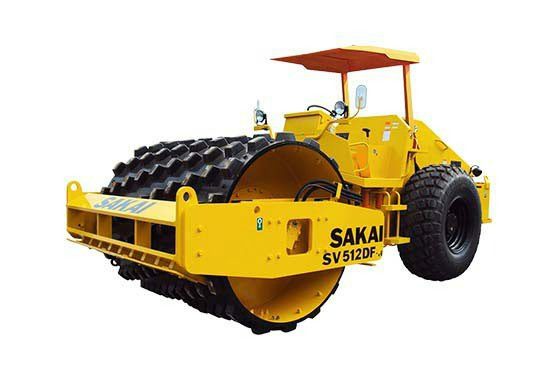
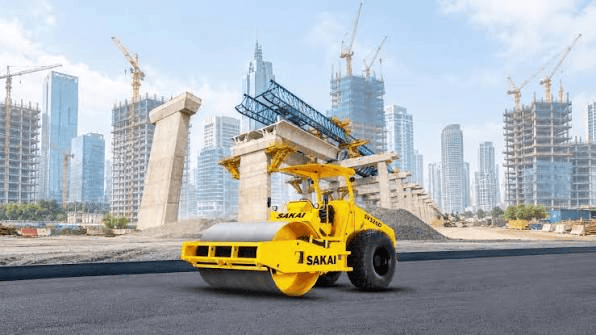
Vibro roller works to compact the soil and aggregate layer using vibration and drum pressure. This process is important to increase the density of the foundation before the asphalt material is spread.
3. Tandem Roller
Tandem rollers are used to compact the asphalt layer after the spreading process. This tool helps produce a flatter and denser road surface.
4. Excavator
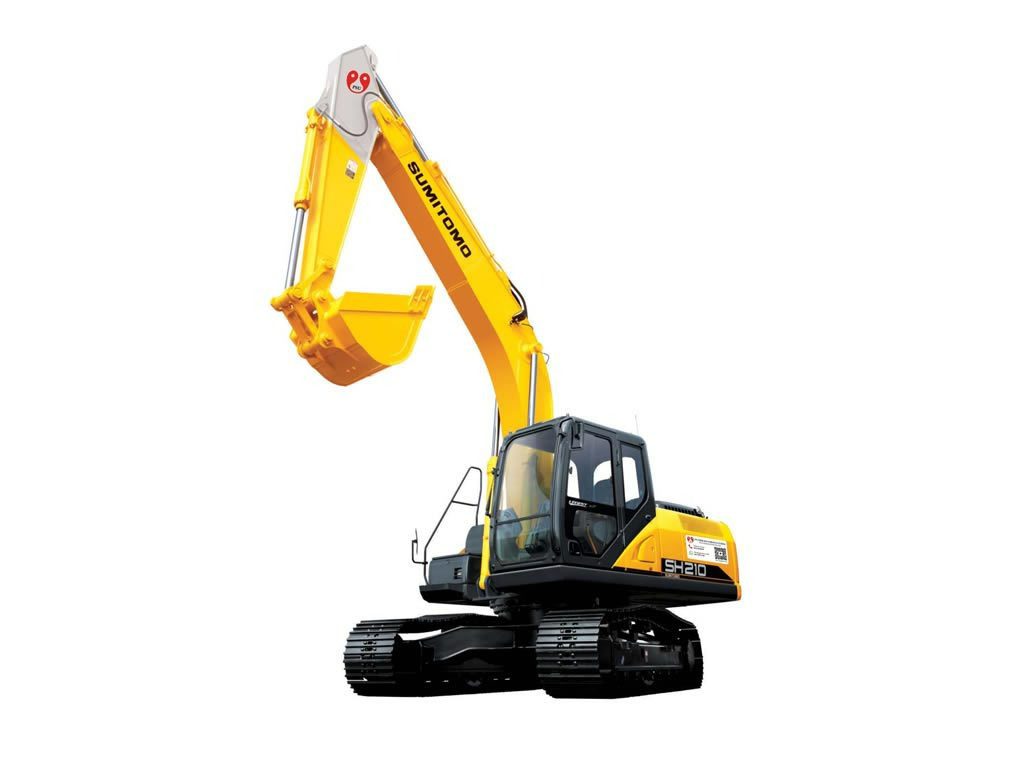
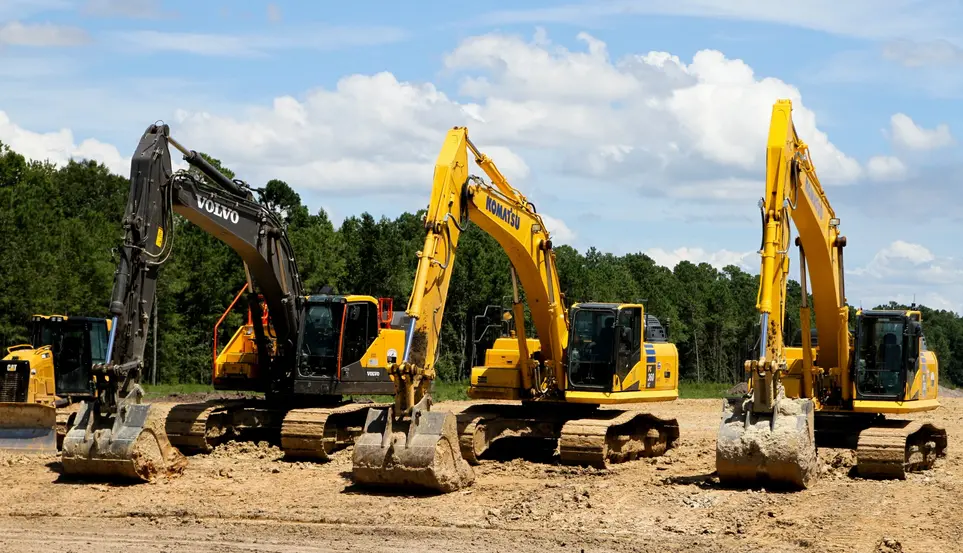
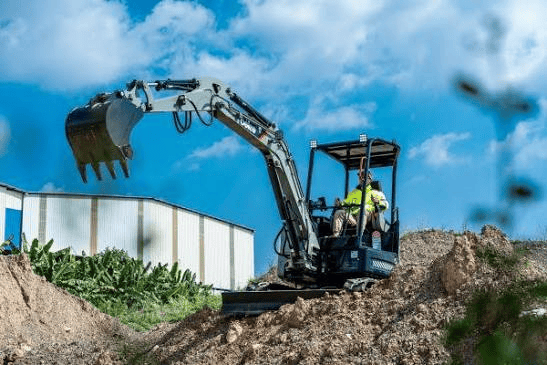
Excavators are used for initial work such as excavation, area cleaning, land transfer, and road body formation. Using this tool helps speed up land preparation, especially on projects with quite heavy terrain conditions.
The availability of appropriate heavy equipment can help road construction work run more efficiently. To fulfill these needs, You can consider heavy equipment rental services from PT Perkasa Sarana Utama. You can provide detailed catalogs and prices look here.
Why Compaction is Important in Paving Works?
Compaction is one of the important stages in producing a stable road structure. This process is carried out on basic soil, aggregate foundation, to the asphalt layer according to construction requirements.
Here are some reasons compaction needs to be considered.
- Increases material density: Reduces air voids so that the construction layer becomes more stable.
- Reduces the risk of road decline: A solid foundation helps reduce the potential for the road surface to drop due to the weight of the vehicle.
- Increase carrying capacity: A well-compacted construction layer can support the vehicle load according to design.
- Helps maintain surface quality: Proper asphalt compaction helps produce a road surface that is more even and resistant to use.
The compaction process needs to use tools that are appropriate to the type of material and stage of work. Setting the number of passes, tool speed, and material conditions also need to follow the project technical specifications.
Read too: Road asphalting process: Stages, Instrument, and techniques used
FAQ Regarding Road Asphalt Thickness
1. Is asphalt 3 cm is enough for the house?
Asphalt thickness 3 cm can be used for areas with light loads, such as a yard or private car park, when supported by a good foundation. For home or residential roads that are more frequently passed by vehicles, a thickness of around 4–5 cm can be a common choice.
2. How thick is the asphalt for the road the truck is driving on??
Roads that are frequently used by trucks generally require a thicker pavement structure, about 10–15 cm or more. The construction usually consists of several layers, like AC-Base, AC-BC, and AC-WC. The final thickness must be adjusted to the vehicle load and soil conditions.
3. Does the thicker the asphalt mean the stronger it is??
Not always. The thickness of the asphalt needs to be supported by subgrade and aggregate foundations that have adequate bearing capacity. If the foundation is unstable or the compaction is not good, The road remains at risk of cracking, wavy, and perforated.
4. What is the difference between AC-WC and AC-BC?
AC-WC is the top surface layer that is in direct contact with the vehicle. Meanwhile, AC-BC is a binding layer that is under AC-WC and functions to help support the load and strengthen the road pavement structure.
5. What heavy equipment is needed for road compaction?
Some commonly used tools are vibro rollers for compacting soil and aggregate and tandem rollers for compacting asphalt layers. The choice of tool depends on the type of material, breadth of work, and project needs.
Rent Heavy Equipment for Road Construction Needs at PT Perkasa Sarana Utama
Determining the ideal asphalt thickness needs to consider the function of the road, vehicle load, soil conditions, and foundation quality. Apart from material selection, Using the right heavy equipment also plays a role in the land preparation process, alignment, to road congestion.
To support construction project needs, PT Perkasa Sarana Utama provides heavy equipment rental services with well-maintained units, experienced operator, and regular maintenance. With experience of more than 19 years in the field of heavy equipment rental and logistics, PSU is ready to help meet heavy equipment needs for various construction jobs.
Immediately contact the PT Perkasa Sarana Utama team now to get the best offer and unit availability this week. Enjoy up to discounts 10% for your project heavy equipment rental needs.
- Website: psualatberat.com
- Contact: psualatberat.com/kontak
- WhatsApp: 0812-5233-3349
- Email: rent@psualatberat.com