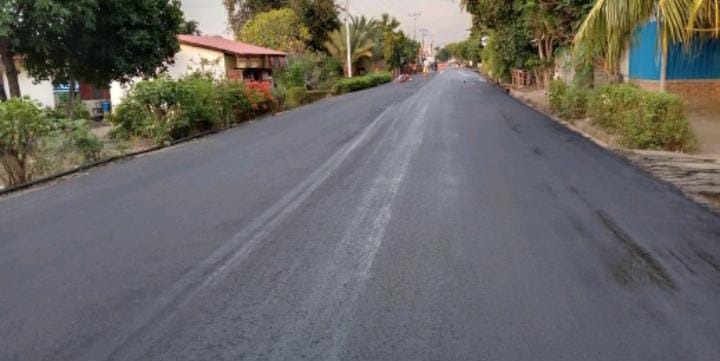
Hotmix roads are a type of road pavement construction that is widely used in Indonesia, starting from the neighborhood road, urban road, to the toll road. This type of pavement uses a mixture of hot aggregate and asphalt which is processed through a special process before being spread and compacted at the project site..
The use of hot mix is quite popular because it produces a relatively flat road surface, strong, and comfortable for vehicles to pass through. However, the quality still depends on the composition of the material, temperature during work, as well as the compaction process carried out.
In this article, we will discuss what the hotmix road is, characteristics, superiority, commonly used types of mixtures, to the process of using heavy equipment.
Getting to Know the Hotmix Way
Hotmix roads are a type of road pavement that uses an aggregate mixture, like broken stones, pasir, and stone ash, with asphalt as a binding agent. The material is heated and mixed in an asphalt mixing unit or Asphalt Mixing Plant (AMP) before being transported to the project site.
Hot asphalt mix or Hot Mix Asphalt (HMA) generally produced at high temperatures. The temperature range may vary depending on the type of asphalt, mixture, and job specifications. After production, material is brought by truck to the paving location to be spread and compacted as long as it is still within the specified working temperature range.
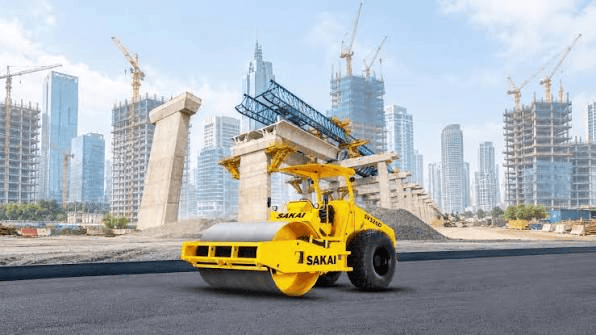
The compaction process usually uses heavy equipment such as tandem rollers and pneumatic tire rollers. This level is important to form a compact road layer, stable, and has a surface according to the plan elevation.
5 Hotmix Road Characteristics
Hotmix roads have a number of characteristics that differentiate them from other types of pavement, such as concrete pavement or cold asphalt. Here are some of its main characteristics.
1. Using Hot Asphalt Mix
The main characteristic of hotmix roads is the use of a mixture of aggregate and asphalt that is heated before spreading. The heating and mixing process is carried out at the AMP so that the material is mixed evenly.
Production and spreading temperatures need to be controlled according to the type of mixture and technical specifications. If the temperature is too low during spreading or compacting, the mixture can be more difficult to compact and risks producing a less than optimal layer.
Read too: Types of Asphalt Materials Used in Indonesia
2. Has a relatively smooth and even surface
After spreading, The hotmix mixture is compacted using heavy equipment to form a flat and tight road surface. Good workmanship results can provide more comfort for road users.
A flat surface also helps the vehicle drive more stably. However, The level of evenness and final texture is still influenced by the quality of the mixture, operator skills, as well as the accuracy of the spreading and compaction process.
3. Flexible
Hotmix roads are a type of flexible pavement or flexible pavement. It means, Pavement structures can experience deformation within certain limits when they receive vehicle loads or changes in environmental conditions.
These characteristics make hot mix different from rigid concrete pavement. Even though it has a flexible nature, The hotmix layer still requires a stable foundation and subgrade so that it is not easily damaged.
4. Has Water Resistance If Compacted Well
A hotmix mixture that has a composition and density level according to specifications can help limit the entry of water into the pavement layer.
This condition is important because water that seeps into the road structure can affect the bonding of the material and the stability of the layer beneath it. Apart from mixed quality, A good drainage system is also needed to prevent puddles and road damage.
5. Thickness can be adjusted according to needs
The thickness of the hotmix layer is not always the same on every project. The determination depends on the traffic volume, vehicle load, basic soil conditions, and pavement structure design.
For certain jobs, the hotmix layer can be made from several centimeters to more than 10 cm with layered arrangement. Because of that, thickness needs to follow technical planning, not just an estimate based on road surface conditions.
5 Hotmix Road Advantages
The use of hot mix is an option for various asphalting projects because it offers a number of benefits from a construction and operational perspective.
1. Strong and Able to Withstand Vehicle Load
Aggregate and asphalt mixtures that are designed and compacted according to specifications can produce a stable pavement layer. The structure helps distribute the vehicle load to the foundation layer and subgrade.
Because of that, Hotmix is widely used on roads with quite heavy traffic, including urban roads and industrial areas. For heavy vehicles, the design of the thickness and structure of the layers must still be adjusted to the design load.
2. Provides Driving Comfort
The flat hotmix road surface can reduce shocks when vehicles pass. This condition helps increase rider comfort, especially on roads with high traffic volumes.
The surface texture can also be designed to provide adequate roughness. Thus, Surface quality and mixture selection need to pay attention to safety aspects, including when the road is wet.
3. The work process is relatively fast
The production of mixtures at AMP and the use of spreaders and compactors enable asphalting work to be carried out systematically. After the mixture is spread and compacted, The road can be reopened once the temperature and coating conditions meet traffic requirements.
Road opening time depends on the thickness of the layer, weather conditions, material temperature, and job specifications. This timing is important so that the coating does not suffer damage due to vehicles passing too fast.
4. Treatment Can Be Done Locally
If damage occurs such as cracks or holes in certain parts, repairs can be done locally through methods such as patching.
This method allows damaged parts to be repaired without having to dismantle the entire road section. However, The cause of the damage still needs to be checked so that repairs are not only temporary.
5. Efficient for Long Term Use
The initial cost of a hotmix job can be influenced by the price of asphalt, aggregate, transportation, layer thickness, and heavy equipment requirements. Nevertheless, Properly designed and executed pavement can provide a good service life.
Maintenance needs can also be more controlled if the quality of the material, compaction, and the drainage system is maintained. Taking into account construction and maintenance costs, Hotmix can be an option for various road construction needs.
Types of Hotmix Mixtures Commonly Used in Indonesia
Hotmix mixtures have several types which are differentiated based on their function and layer position in the road pavement structure. The following types are commonly used.
| Mixed type | Main function | Area of use |
| AC-WC (Asphalt Concrete – Wearing Course) | The top layer that comes into direct contact with vehicles and weather | road, toll road, and urban roads |
| AC-BC (Asphalt Concrete – Binder Course) | Binder layer under the AC-WC to help distribute the load | Roads with high traffic volumes and vehicle loads |
| AC-Base (Asphalt Concrete – Base) | Asphalt foundation layer to support the pavement structure above | Construction of new roads and improvement of road structures |
| HRS (Hot Rolled Sheet) | A graded mixture used as a surface layer or intermediate layer according to design | Roads with mixed HRS needs |
| Sand Sheet | Sand graded asphalt mix for thin layer work according to specifications | Certain coating or maintenance work |
The choice of mixture type must follow the layer function and technical planning of the road. Not all types of hot mix can be used for every traffic condition or pavement structure.
What is the Process for Making and Laying Hotmix Roads?
Hotmix road construction involves several stages that need to be carried out sequentially. Each asphalting stages influence the quality and durability of the road layer.
1. Road Surface Preparation
The first stage is preparing the area to be paved. The surface of the ground or foundation layer is cleaned of dust, lumpur, and materials that can disrupt the bond between layers.
If needed, the work also includes alignment, surface repair, and compaction of the foundation layer. The basic condition of the road must meet the requirements before the hotmix mixture is spread.
2. Mixture Production in Asphalt Mixing Plant
Aggregate and asphalt are processed using an Asphalt Mixing Plant (AMP). Materials are measured according to the composition of the mixture, then heated and mixed to produce a homogeneous material.
Controlling temperature and composition is an important part of this process. The resulting mixture is then transported using a dump truck to the asphalting location.
3. Asphalt Laying
Upon arrival at the project location, hotmix mixture is spread using asphalt finisher according to the planned width and thickness.
Spreading needs to be done consistently so that the layer thickness and road surface match the design. The mixture temperature must also remain within the required range.
4. Compaction Using Heavy Equipment
After spreading, material is compacted using heavy equipment. Some types of tools that are commonly used include::
- Tandem roller: using steel drums to compact and level the surface of the asphalt mixture.
- Pneumatic tire roller: Use a rubber wheel to help compact and seal the mixture.
- Vibro roller: can be used for certain layer compaction work according to the type of material and project specifications.
The compaction process is carried out with a planned track pattern and number of passes. The goal is to achieve the required level of density without damaging the coating surface.
5. Inspection of Work Results
After compaction is complete, inspection of the asphalting results is carried out. Inspection may include layer thickness, surface flatness, density, and visual conditions.
The new road can be opened to traffic after it meets the technical requirements and the coating temperature allows vehicles to pass.
Heavy Equipment Needed for Hotmix Road Work
Apart from AMP and asphalt finisher, paving projects require some heavy equipment to support land preparation to compaction. Here are some of them.
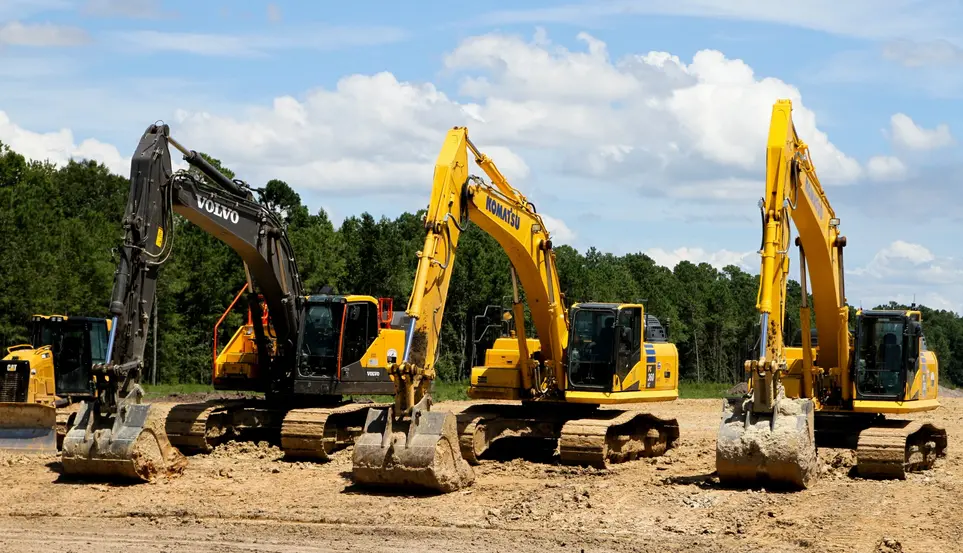
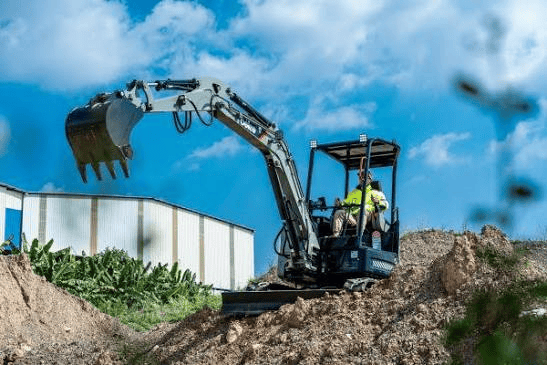
1. Excavator
Excavator used during the land preparation stage, like digging the ground, cleaning materials, and form a work area. This tool can also help with drainage work and moving materials around the project site.
2. Bulldozer
Bulldozer used for land clearing work, push the ground, and leveling the area before the road foundation layer is worked on. This tool can help with cut and fill work on new road construction projects.
3. Dump Truck
Dump trucks function to transport materials such as aggregate, land, and hot mix. In paving work, these vehicles help carry the mixture from the AMP to the project site.
Transporting hot mix mixtures requires paying attention to travel time and material temperature so that the mixture still meets the requirements when spread.
4. Motor Grader
Motor graders are used to form and level the surface of the soil and aggregate layers before asphalting. This tool helps produce surface elevation and slope according to plan.
5. Vibro Roller
Vibro roller used to compact the soil layer or aggregate at the level of road preparation. The type and arrangement of tools must be adapted to the material being compacted.
For compacting asphalt mixture, Tandem rollers and pneumatic tire rollers are more commonly used according to job specifications.
Read too: 5 Types of Heavy Land Compaction Equipment That You Must Know
When is the Hotmix Road Suitable to Use?
Hotmix roads can be used for various construction needs, starting from neighborhood roads to roads with heavy traffic. Some applications include::
- Urban road: to support vehicle mobility with varying traffic volumes.
- Neighborhood and residential roads: to provide a flat and comfortable road surface.
- Toll road: using a pavement structure designed to withstand high loads and traffic volumes.
- Industrial area: can be used on heavy vehicle operational lines with an appropriate structural design.
- Parking area: helps provide a relatively flat surface for vehicles entering and exiting the area.
Although it has a number of advantages, The quality of hotmix roads still depends on the mix design, foundation condition, working temperature, compaction, and drainage system. If one of these factors is not met, The road remains at risk of cracking, wave, or hole.
To produce quality hotmix roads, land preparation process, spreading, and compaction must be done properly. Heavy equipment support such as excavators, bulldozer, dump truck, motor grader, and the vibro roller also helps run the job smoothly.
If you need heavy equipment for land preparation and road construction projects, PT Perkasa Sarana Utama (PSU) provides a variety of unit options that can be tailored to project needs. Immediately contact the PT Perkasa Sarana Utama team now for the best offers and unit availability this week.
- WhatsApp: https://wa.me/6281252333349
- Email: rent@psualatberat.com
- Website: https://psualatberat.com/
- Contact page: https://psualatberat.com/kontak/
FAQ
1. What is meant by hotmix road?
Hotmix roads are roads that use a mixture of hot aggregate and asphalt as the pavement material. Mixtures are produced at AMP, then spread and compacted at the project location.
2. What are the characteristics of hotmix roads?
The characteristics of hotmix roads include using a hot asphalt mixture, has a relatively flat surface, is flexible, can limit water ingress if compacted properly, and has a thickness that can be adjusted to suit the road design.
3. What are the advantages of hotmix roads compared to other types of pavement??
Hotmix roads offer a comfortable surface to walk on, the process is relatively fast, and improvements that can be made to certain parts. However, Selecting the type of pavement still needs to consider the traffic load, soil conditions, and construction costs.
4. What is the difference between AC and WC?, AC-BC, and AC-Base?
AC-WC is the top surface layer, AC-BC serves as a binding layer underneath, while AC-Base is the asphalt foundation layer that is under the AC-BC layer.
5. How long can a hotmix road be passed after asphalting??
Hotmix roads can be opened after the compaction process is complete and the mixture temperature drops to meet traffic opening requirements. The time depends on weather conditions, layer thickness, and job specifications.