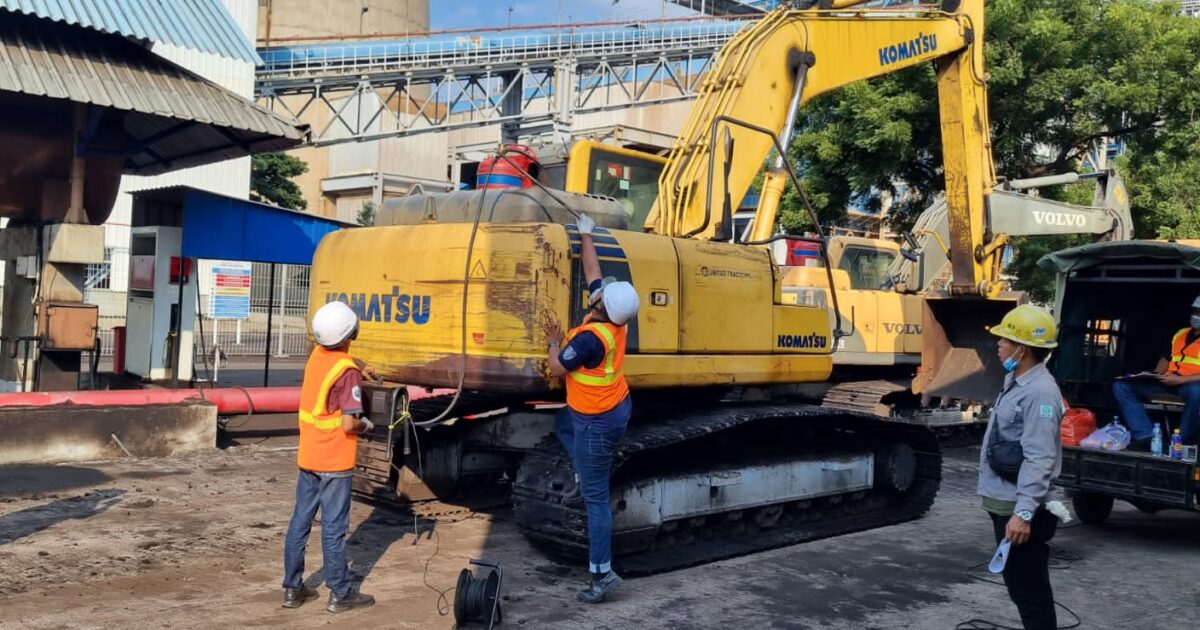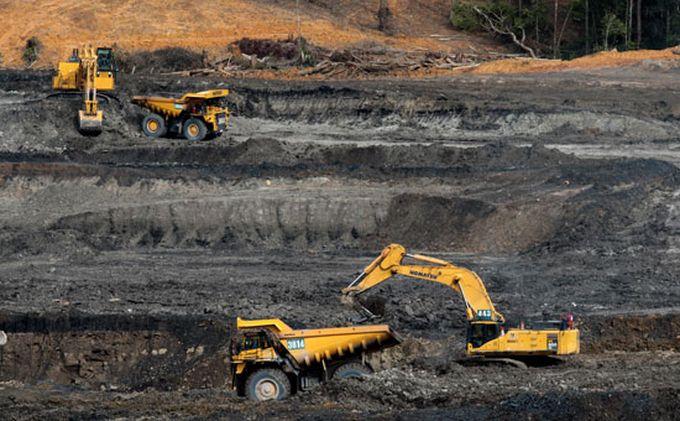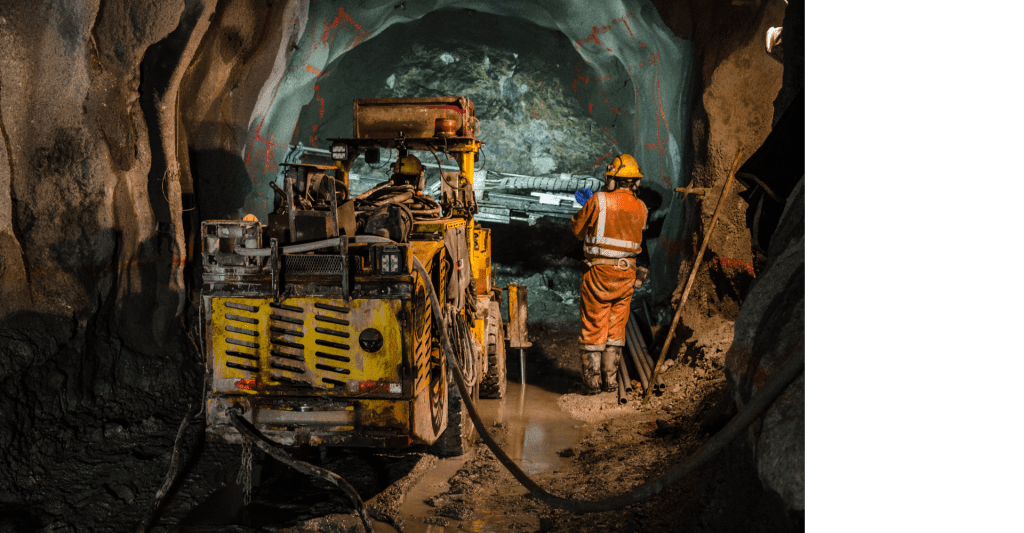
Behind the power of heavy equipment capable of lifting the ground, batu, up to tons of material, there is a system that works quietly but is very vital: hydraulic system.
Without this system, machine like Excavator, Bulldozer, or Wheel Loader won't be able to do the heavy lifting with the precision we see in the field every day.
The hydraulic system allows the machine to produce large amounts of power just by harnessing it fluid pressure. This technology makes the tool movement stronger, stable, and easy to control by the operator.
But like other mechanical systems, The hydraulic system also has the potential to experience problems or damage if it is not maintained properly. Therefore, understand how the hydraulic system works and the causes of damage is very important for operators, technician, as well as companies that rely on heavy equipment in their operations.
What is a Hydraulic System in Heavy Equipment?
Simply, The hydraulic system is a technology that uses pressurized fluid (usually hydraulic oil) to produce mechanical power. Its working principle refers to Pascal’s Law, which states that the pressure exerted on a fluid in a closed space will be transmitted evenly in all directions.
This is what makes hydraulic systems so efficient. With power from the engine, oil pressure can be increased and used to produce very strong forces.
On heavy equipment, hydraulic system is used for move various important components like:
- boom
- arm
- bucket
- blade
- steering system
Thanks to this technology, heavy equipment capable of doing heavy work with great power and precise control.
Functions of Hydraulic Systems in Heavy Equipment
The hydraulic system does not only function as a power source, but also provides very flexible control for the operator.
Some of its main functions include::
Produces Great Power
Hydraulic oil pressure is capable of producing much greater power than ordinary mechanical systems. For example, on Excavator, The hydraulic system allows the bucket to dig and lift heavy materials such as hard soil or rock without any difficulty.
Control Movement with Precision
One of the main advantages of a hydraulic system is its ability to provide very precise control. Operators can manage various movements accurately, starting from:
- boom speed
- bucket angle
- lift pressure
This is very important in construction work that requires high precision.
Increase work efficiency
With hydraulic system, heavy equipment can work faster and more efficiently. Energy from the engine can be distributed optimally without much loss of power.
Main Components of a Hydraulic System
So that the hydraulic system can work properly, There are several important components that are interconnected in one system.
Hydraulic Pump
The hydraulic pump is a component whose job is to change mechanical energy from the machine into hydraulic energy. This pump will draw oil from the tank and then push it throughout the system at a certain pressure.
Several types of pumps that are commonly used on heavy equipment include::
- gear pump
- vane pump
- piston pump
Because his role is very important, Hydraulic pumps are often referred to as the heart of the hydraulic system.
Hydraulic Cylinder
The function of the hydraulic cylinder is to change fluid pressure mechanical movement. Inside the cylinder there is a piston that will move when receiving pressure from hydraulic oil. This piston movement produces movement in the boom, arm, or heavy equipment bucket.
Control Valve
Control valve in charge of organizing hydraulic oil flow direction and pressure. With this component, the operator can determine which movement the heavy equipment wants to carry out. The valve ensures that the hydraulic system can work stably and safely.
Hydraulic Hose
The hydraulic hose functions as a distribution route for pressurized oil from the pump to various system components. This hose is designed to withstand very high pressure and tough working conditions.
Reservoir (Hydraulic Oil Tank)
The reservoir is a storage place for hydraulic oil before it flows back into the system.
Besides that, the hydraulic tank also helps:
- cool the oil
- separates air from fluid
- deposit dirt
In this way, the quality of the hydraulic oil can be maintained.
How a Hydraulic System Works?
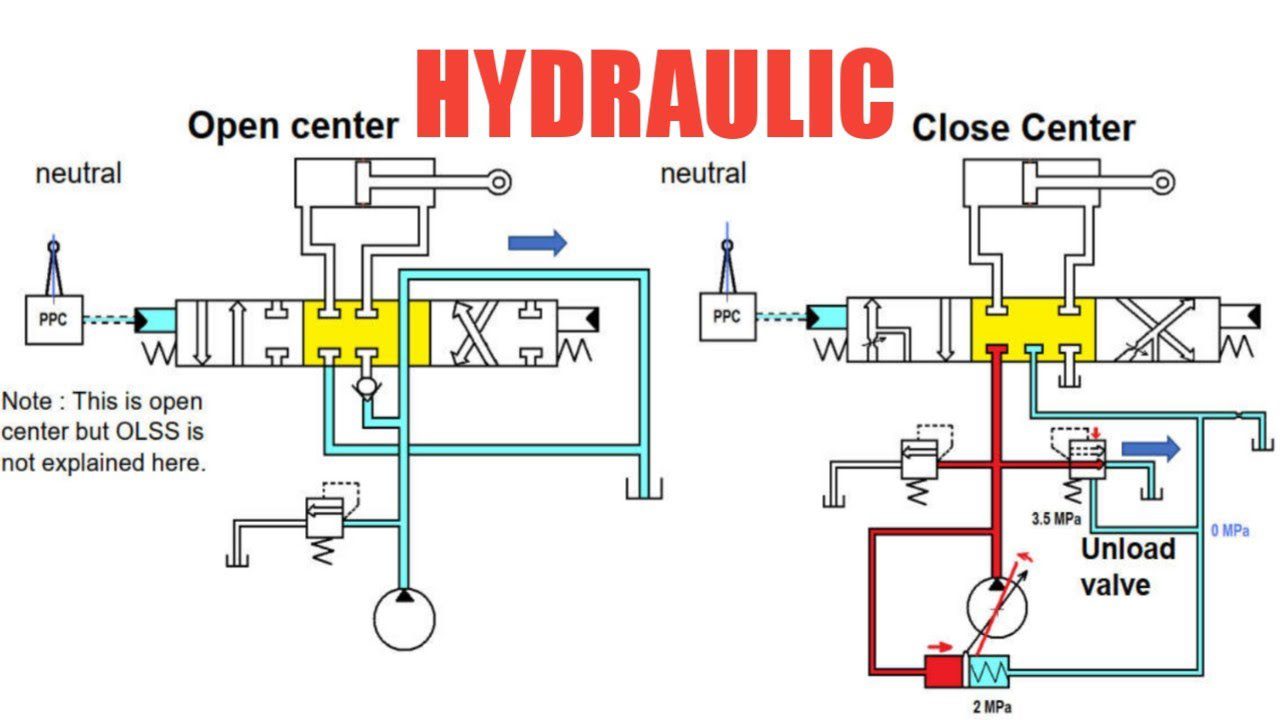
Even though it looks complex, Actually, the working process of a hydraulic system is quite simple. Here's the general workflow.
Engine Drives Hydraulic Pump
When the heavy equipment engine is turned on, The power from the engine will rotate the hydraulic pump. The pump then draws hydraulic oil from the reservoir.
Hydraulic Oil is Pressed and Flowed
The pump will press the hydraulic oil to produce high pressure. This pressurized oil is then flowed into the system through a hydraulic pipe or hose.
Valve Regulates Flow
The control valve will regulate where the pressurized oil must flow, depending on operator commands. In this way the operator can control the various movements of the machine.
Hydraulic Cylinder Produces Movement
When pressurized oil enters the hydraulic cylinder, the piston inside will be pushed. The movement of the piston is what then moves the boom, arm, or bucket on heavy equipment.
Oil Returns to Tank
After completing the work cycle, the hydraulic oil will return to the reservoir for reuse. This process continues to repeat itself as long as the machine is in operation.
Common Causes of Hydraulic System Damage
Although designed to work in extreme conditions, The hydraulic system can still be damaged if it is not maintained properly. Here are some of the most common causes.
Hydraulic Oil Contamination
Dirty hydraulic oil is one of the main causes of hydraulic system damage. Contamination can come from dust, metal particles, or water entering the system. These small particles can damage components such as pumps, valve, and cylinder.
Seal Leak
The seal works to keep the oil pressure stable in the system. If the seal is damaged or worn, oil may leak and system pressure will decrease. As a result, heavy equipment performance also decreases.
Hydraulic Pump Damage
A hydraulic pump that is worn or damaged is unable to produce the required pressure. This is usually characterized by heavy equipment movements that become slow or less powerful.
Leaking Hydraulic Hose
Hydraulic hoses can be damaged by high pressure, friction, or age of use. If a leak occurs, The hydraulic system will lose pressure so that the tool's performance decreases.
Overheating of the Hydraulic System
Too high a temperature can also damage the hydraulic system. Overheating usually occurs because there is not enough oil, suboptimal cooling, or the workload is too heavy. If left, This condition can accelerate damage to hydraulic components.
The Importance of Hydraulic System Maintenance
Routine maintenance is the key to keeping the hydraulic system working optimally. Some simple steps that can be taken include::
- change the hydraulic oil regularly
- Check the condition of hoses and seals
- cleaning the hydraulic filter
- carry out routine system inspections
With proper care, the service life of hydraulic components can be much longer.
Handling Heavy Equipment Hydraulic Problems by Experts
Although designed to work in extreme conditions, The hydraulic system can still be damaged if it is not maintained properly. When the hydraulic system experiences problems—such as oil contamination, leakage seal, or overheating—Fast and appropriate treatment is very important so that the damage does not get worse.
To ensure your heavy equipment operations remain optimal and minimize downtime, PT Perkasa Sarana Utama (PSU) provide services support technical with Reliable technicians and mechanics 24/7 who is ready if there is a problem with your heavy equipment's hydraulic system.
This technical support is part of the integrated solutions offered by PSU. As a provider service rental and rental of heavy equipment trusted in Indonesia since 2004, we offer complete solutions for various needs, starting from construction projects, industry, to mining. We provide high quality heavy equipment products, including excavator, bulldozer, and others, as well as integrated solutions to ensure every project runs smoothly.
Trust a fleet of heavy equipment for your project while getting professional technical support from PSU. Contact us here:
- WhatsApp: 0812-5233-3349
- Email: rent@psualatberat.com
- Website: psualatberat.com