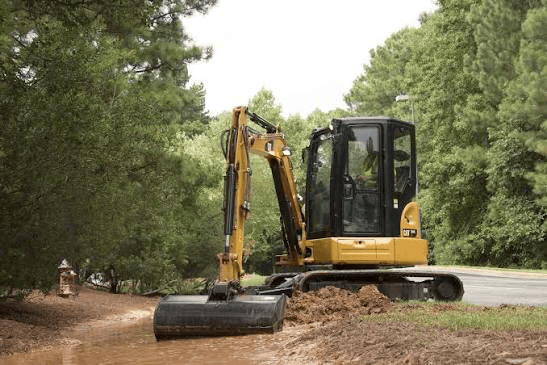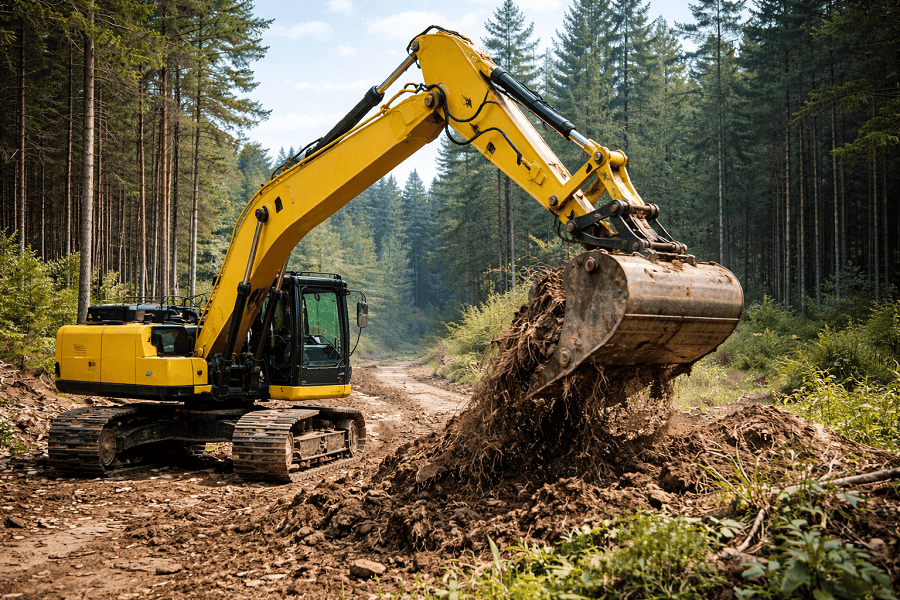
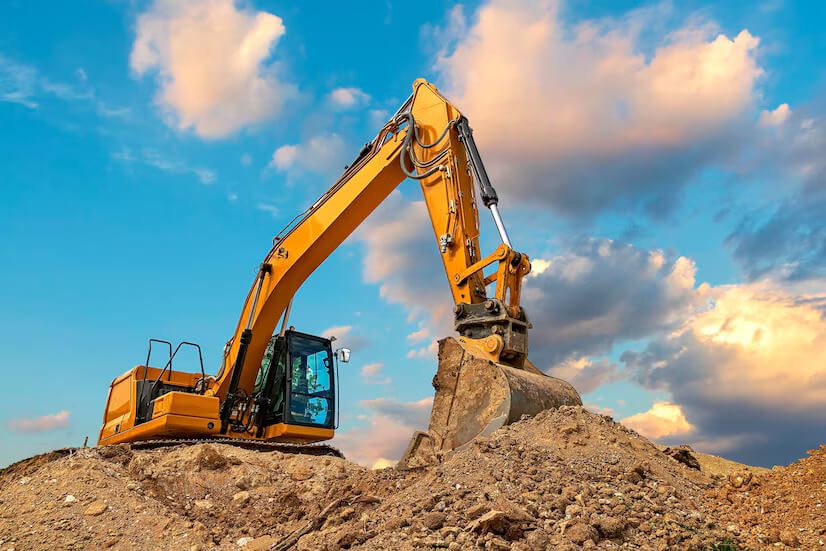
Excavator heavy equipment or often called an excavator often found in project areas such as construction work, mining, and forestry. But do you know what the components of an excavator are and their respective functions?
An excavator has a main component in the form of a scraper (bucket), arm (arm), and shoulders (boom). Apart from these three components, Excavators also have other components that are important to support their performance.
Heavy equipment is often called beko or begotten It is designed to have a digging function, dredge, as well as transporting or moving materials. With these various uses, Excavators play an important role in facilitating the work on large-scale projects.
Excavator operations must be carried out by operators who understand how they work and their components. Through this article, we invite you to understand more about 11 component excavator and their respective functions.
1. Boom
Boom or arm is one of the main components of an excavator. This component is large and installed at the front of the excavator. The boom can be raised and lowered to adjust the height and low of the excavator for digging.
Component excavator which extends outward provides coverage for the excavator to work. As is boom, the operator can position the arm and bucket appropriately for digging, appointment, and put the material.
Boom comes in a variety of sizes and configurations, according to the needs of the excavator. Type boom longer ones are usually used for jobs that require a wider reach. Temporary boom shorter ones are suitable for use in narrow areas.
2. Arm
Arm is a component that is connected to the boom and functions to extend the reach of the excavator. This excavator arm makes it easy to access deeper or higher areas that cannot be reached simply boom.
Component arm excavator plays an important role in regulating depth and precision when digging. By extending or pulling this arm, The operator can set the distance between boom and bucket to carry out excavations, alignment, and lifting materials more accurately.
Long arm this can vary based on the size of the excavator. Mini excavators have shorter arms for easier maneuvering in tight spaces. While larger excavators have longer arms, thus allowing deeper digging.
3. Bucket
Bucket is a tool that is attached to the end arm. Component excavator It is used for digging and transporting materials. Buckets come in various shapes and sizes, depending on the type of work performed. For example bucket standards used for general excavation and bucket cone for deeper digging.
Usually, bucket Excavators are equipped with teeth or sharp edges to make it easier to dig into soil or hard rock. The bucket can also be replaced with other tools such as grapple or thumb to increase the function of the excavator. Size and shape bucket greatly influences productivity and efficiency according to work requirements.
4. Cabin (Cabin)
The cabin is the space where the excavator operator works. This section is located above undercarriage. In the cabin there are operational controls, instrument panel, and a chair for the operator. The cabin is usually equipped with comfort features such as air conditioning and ergonomic seats to increase safety, comfort, and operator productivity.
From this cabin, The operator controls various machine functions through controls, joystick, and pedals to operate components boom, arm, and bucket. The operator can also control other movements such as rotation and movement of the excavator.
5. Undercarriage (Underframe)
Undercarriage is the bottom of the excavator which consists of tracks, roller, idler, final drive, and other supporting components. This bottom structure provides flexibility, stability, as well as durability for the machine when moving and working on various types of terrain. This section can be equipped with rails (track) or rubber wheels, depending on the type of excavator.
Track provides good traction and distributes weight evenly, thus facilitating movement on rough and uneven terrain. Meanwhile, Rubber wheeled excavators offer greater agility and mobility on smooth surfaces, like on asphalt.
6. Engine (Machine)
The engine is the main source of power in an excavator. Component excavator this provides the power to move track, boom, arm, and bucket. Excavator engines generally use diesel fuel to provide strong and efficient power.
The size and power of the machine are adjusted to the size of the excavator and its function. Modern engines are designed to increase efficiency and reduce emissions to comply with environmental standards. This machine component drives and produces the energy needed to run the hydraulic system.
7. Hydraulic System (System Hydraulic)
The hydraulic system is a vital component of excavator which allows movement boom, arm, and buckets. With hydraulic technology, Excavators can work with the precision and power necessary to complete a variety of tasks.
The hydraulic system on an excavator consists of a complex network that includes high-pressure hoses, pump, valve, and cylinder. This system works responsively and powerfully to provide strength to handle heavy work, while still ensuring optimal accuracy and control.
8. Counterweight
Counterweight is a heavy component placed at the back excavator. The function of this excavator component is to maintain balance and distribute the load evenly when lifting loads at the front.
When bucket filled with material, counterweight functions to support the load and prevent the excavator from rolling over. Weight counterweight can be adapted to the needs of the machine to ensure safe operation and avoid accidents.
Without counterweight, Excavators can lose stability or tip over when digging or moving heavy materials. The presence of components plays an important role in increasing the safety and efficiency of excavator operations.
9. Swing Gear
Swing gear is a component excavator which is located at the base of the heavy equipment. This component allows the excavator to rotate up to 360 degrees. As is swing gear, operator can position bucket precisely and efficiently without having to move the entire heavy equipment.
This component consists of motor swing, swing brake, and swing gear reducer. Swing gear allows precision movements when digging or moving materials. Operators can easily rotate the excavator to reach different work areas without having to move the physical tool.
10. Blade
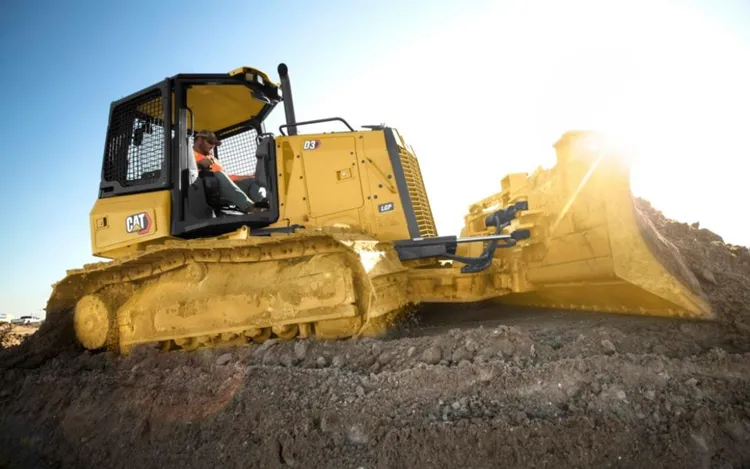
Some excavators are equipped with blade optionally used for excavation and leveling the land. Blade these are located at the front of the excavator and are similar to those on a bulldozer. This component can be used for various purposes, like digging, flatten, and moving light materials.
The operator can adjust the position blade to control the depth and angle of alignment. With that way of working, blade It is also an important component in projects that require precise earthwork and leveling.
11. Track (Chain/Foot Wheel)
Track is the foot wheel or bottom of the excavator which functions as a means of movement. The wheels on this excavator are similar to the wheels on a tank, namely covered with iron chains. But there are also types of excavators, like wheeled excavator, which uses rubber tires.
The use of chain wheels allows the excavator to move on various types of soil such as muddy and rocky surfaces. With high flexibility and strong grip, track Excavators can traverse rough and steep terrain such as coal mining areas, nickel, it's not, and others.
What are the Names of the Wheels on an Excavator?
Excavators have two main types of wheels, namely the chain wheel (crawler) and rubber wheels (wheeled). Each type of wheel has advantages that depend on the terrain conditions and type of work.
Most excavators use chain wheels or crawler which is similar to tank wheels. These wheels provide good stability and support when moving on uneven or muddy terrain. So excavators can work very effectively for work in hard-to-reach locations or uneven ground conditions.
While rubber wheels or wheeled Designed to work on hard, flat surfaces, such as highways or construction areas that have been compacted. Rubber wheeled excavators have a higher speed than movement crawler. This type of excavator is suitable for use in urban areas or projects that require high mobility.
What are the Feet on an Excavator Called?
The name of the foot on the excavator is called track. Track is the lower part of the excavator which functions as a means of movement. On most excavators, there is a chain attached to it track, similar to the legs on a tank.
Track provides stability and strong grip, thus allowing the excavator to move smoothly over rough terrain. With track chain or crawler, Excavators are able to traverse terrain such as muddy ground or uneven surfaces.
Track consists of several important parts, starting from track frame (excavator wheel frame), final drive (chain drive gear track), roller (static gear as a support), front idler (gears to change chain rotation), and track shoes (chain track that touches the surface).
What are the names of the claws on an excavator?

The claws on an excavator are known as bucket teeth. Bucket teeth is the sharp part attached to the end bucket excavator. The main function of bucket teeth is to improve excavation efficiency, especially when working with hard soil or rocky materials. Bucket teeth are designed to help excavators penetrate soil or materials that are difficult to dig. With a sharp and toothed shape, This component makes the excavation process easier, thus minimizing the effort required by the machine. The materials used are made of high quality steel or other wear-resistant materials, so it can withstand high pressure and friction when used.
There are several types bucket teeth, like:
- Standard Teeth: Suitable for general excavation.
- Rock Teeth: Specially designed for hard and rocky materials.
- Heavy-Duty Teeth: Built for very demanding applications, like mining.
- Weld-on Teeth: Can be welded directly to the bucket to extend service life.
What is the name of the excavator driver?
Excavators are driven by engines that usually use diesel power. The excavator engine functions as the main power source to drive the entire system of this heavy equipment. Therefore, machine parts are equipped with counterweight (balancer) to maintain the stability of the excavator when operating in rough terrain.
Meanwhile, the component that drives the excavator to carry out the work of digging or dredging material is the hydraulic system. This hydraulic system is the main driver for various components such as boom, arm, and bucket.
Excavators use a combination of powerful engines and efficient hydraulic systems to carry out their tasks. With the existence of these driving components, Excavators can perform a variety of heavy work with the required precision and power.
Need an Excavator for Project Work?
After recognizing the excavator components above, now you understand how the excavator works as a whole. Each component of the excavator has a crucial function and supports each other to be able to handle project work efficiently. Make sure you always use an excavator that functions optimally and safely.
For those of you who are working on or planning a construction project, preparing the excavator is mandatory. Make sure to use an excavator from a trusted provider. To answer these needs, PT Perkasa Sarana Utama (PSU) present as a specialist in heavy equipment rental for building construction, industry, mining, and others.
With long experience 20 year, we provide a variety heavy construction equipment quality and guaranteed safety. Apart from excavators, We also rent other heavy equipment and are equipped with legal documents such as SIO and SILO to ensure your work runs smoothly without any obstacles..
We also guarantee that all heavy equipment is always in prime condition due to routine maintenance. Besides that, We also have professional operators who are certified and experienced in various types of projects. Our mechanical team is also ready to provide full support, 24 hour every day.
Don't hesitate to use our equipment for the smooth running of every stage of the construction project you are working on. Please ask or consult first with our team at CS Center 0811358378 or email rent@psualatberat.com.