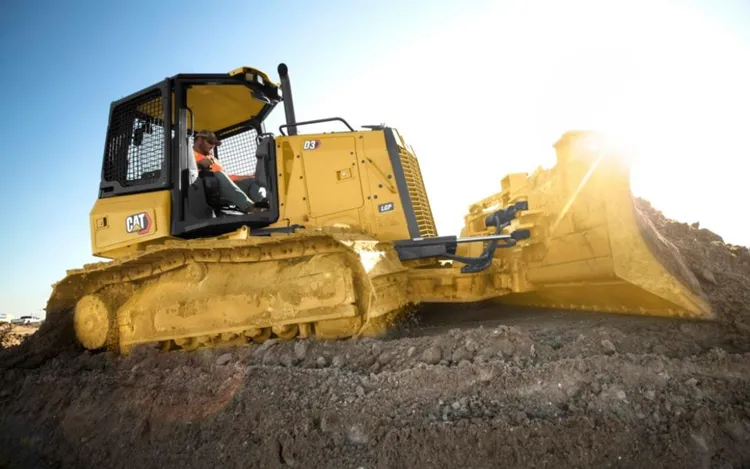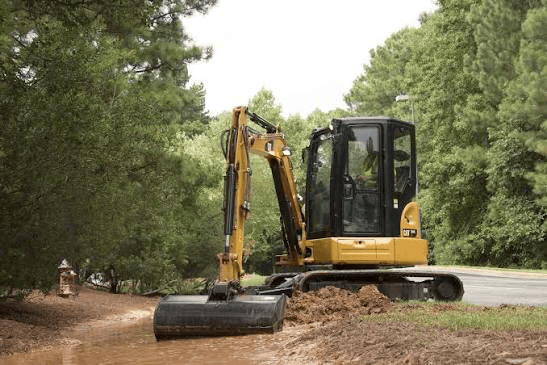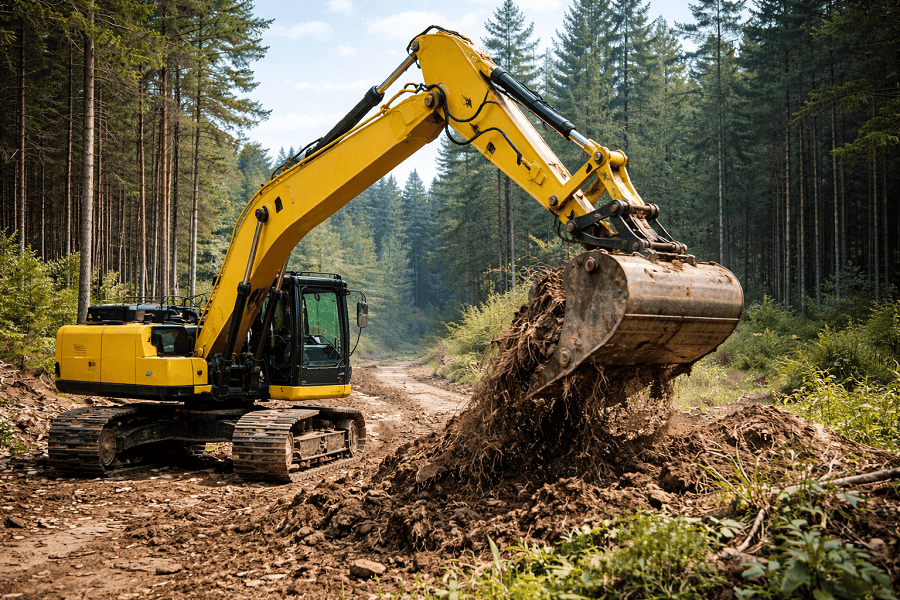
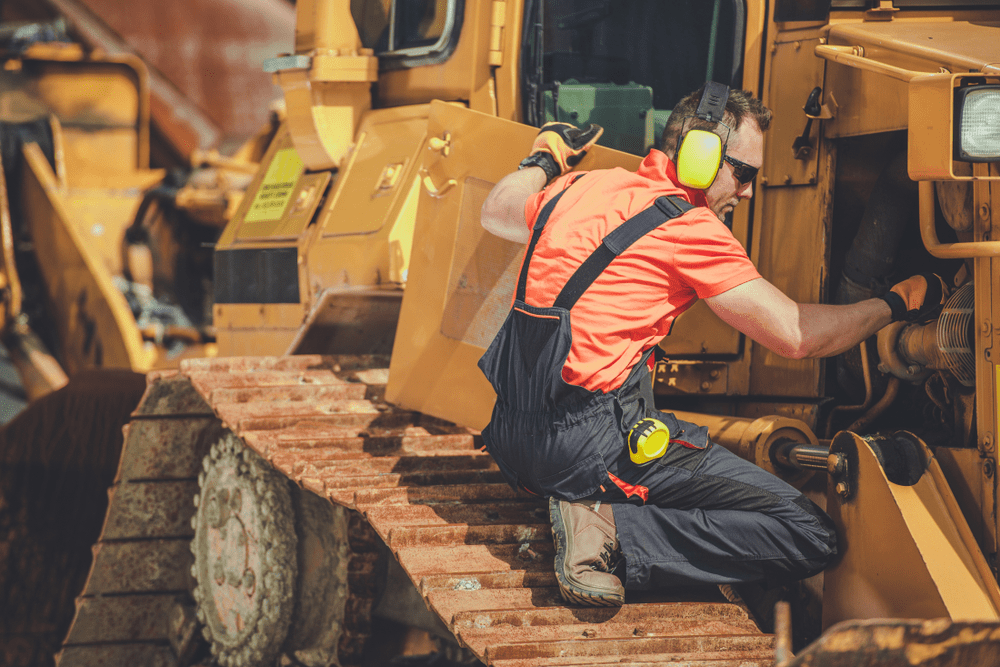
In the world of construction, Understanding heavy equipment technical terms is not only important for operators, but also for contractors, site engineer, then project manager. Each term describes a function, performa, up to the limits of tool capabilities that affect work efficiency in the field. Mistakes in interpreting technical terms can result in cost calculations, unit selection, to project security. Therefore, Come on, let's understand by reading this article.
Heavy Equipment Technical Terms Based on Specifications and Capacity
Technical terms for heavy equipment are divided into: 4, starting from based on specifications and capacity, performa, component, to operations and maintenance. The technical terms for heavy equipment are based on specifications and capacity, among others.
1. Bucket Capacity – Bucket capacity
Bucket capacity indicates the volume of material that can be transported by a tool such as an excavator, wheel loader, or backhoe in one fell swoop. The units used are generally cubic meters (m³). The larger the bucket capacity, the more efficient the tool is for material moving work.
For example, The Komatsu PC200 has a bucket capacity of around 0.8–1.2 m³, while Caterpillar 950 GC reaches 3,0 m³ for large scale projects
2. Operating Weight – Operational Weight
Operational weight is the total weight of heavy equipment in ready-to-work condition, including fuel, lubricant, and operators. This term is important for calculating thrust, stability, and ground pressure.
As an illustration, Mid-range excavators such as the Hitachi ZX200 have an operating weight of approx 20 ton, while the D85 bulldozer reaches 25 ton.
3. Engine Power – Engine Power
Engine power describes the engine's ability to produce power (horsepower/HP). The higher the engine power, the greater the tool's ability to lift, push, or digging heavy materials. However, Large power must also be balanced with fuel efficiency so that operational costs do not increase.
4. Breakout Force – Prying Power
Breakout force shows the maximum strength of heavy equipment in excavating solid material such as hard soil or rock. This value is usually measured in kilonewtons (kN). The greater the breakout force, the faster the tool completes heavy work.
5. Lifting Capacity – Lifting Capacity
Lifting capacity is the maximum load that heavy equipment can lift under safe conditions. This figure is influenced by the boom length, working radius, and the tilt angle of the tool. Operators must understand the load chart so as not to lift loads that exceed safe limits.
Technical Terms Related to Heavy Equipment Performance and Capabilities
6. Gradeability – Climbing Ability
Gradeability indicates the machine's ability to climb a certain grade without losing traction, usually in percent (%). The higher the gradeability, the stronger the tool operates in steep terrain.
7. Ground Pressure - Ground Pressure
Ground pressure is the pressure exerted by heavy equipment on the surface of the ground (kPa). A low pressure value indicates the tool can work in muddy areas without sinking. Crawler-type bulldozers generally have lower ground pressure than wheel-type loaders.
8. Turning Radius – Turning Radius
Turning radius is the minimum distance the machine needs to make a complete turn. Small radius tools are suitable for projects with limited space such as urban areas or logistics warehouses.
9. Reach – Reach
Reach indicates the maximum horizontal distance between the tool and the tip of the bucket or attachment. This parameter determines how wide the working area can be reached without moving the position of the tool.
10. Digging Depth – The depth of digging
Digging depth shows how deep the heavy equipment can dig from the ground surface. This value determines the tool's capabilities for foundation or drainage work.
Technical Terms for Heavy Equipment Components and Systems
11. Hydraulic System – Sistem Hidrolik
The hydraulic system is the heart of heavy equipment movement. With pressure reaching 30,000–35,000 psi, This system allows boom, arm, and the bucket moves with high precision.
12. Undercarriage – Underwheel System
Undercarriage is the part that supports the load and allows the tool to move on the ground. This component contributes up to 50% heavy equipment maintenance costs during its lifetime.
13. Boom and Arm – Hydraulic Arm
The boom works to lift, while the arm extends the working range of the bucket. Both must be designed with high-strength steel to withstand large stresses.
14. Counterweight – Balancing weight
Counterweight is an additional weight behind the equipment that maintains balance when lifting heavy loads. Without this component, the tool risks tipping over and endangering the operator.
15. Track Shoes – Chain Shoes
The track shoe is the part of the chain that is in direct contact with the ground, helps spread the load and maintain machine traction in various terrain conditions.
Heavy Equipment Operational and Maintenance Technical Terms
16. Hour Meter – Working Hours Counter
Hour meter calculates the effective operating time of the tool. This data is used to determine a routine maintenance schedule, usually every 250 working hours.
17. Service Interval – Maintenance Interval
Service interval shows the time limit for routine heavy equipment maintenance. Discipline in maintenance makes the equipment last longer and performance remains stable.
18. Fuel Consumption – Fuel Consumption
Fuel consumption is measured in liters per hour. Hybrid models like the Komatsu HB205 can save up to 25% fuel compared to conventional excavators.
19. Cycle Time – Cycle Time
Cycle time shows the length of one tool working cycle (dig, transfer, and come back). The faster the cycle time, the higher the productivity of the tool.
20. Attachment – Additional Tools
Attachments are like breakers, auger, or grapples can be installed as needed. Choosing the right attachment means one tool can be used for many types of work.
Safety Technical Terms and Operational Standards
21. ROPS (Roll Over Protection Structure)
ROPS protects the operator if the tool rolls over. This steel structure is mandatory in modern heavy equipment according to ISO 3471.
22. FOPS (Falling Object Protection Structure)
FOPS protect operators from falling objects in high-risk work areas such as quarries and mines. This standard is regulated in ISO 3449.
23. Load Chat – Future Table
Load charts are an official guide to the lifting capacity of equipment at various radii. Operators should read this table before lifting heavy loads to prevent accidents.
24. Safety Factor - Safety Factor
Safety factor is the ratio between theoretical capacity and the safe limit for using a tool. Factor 1,5 means maximum operational load only 66% from full capacity.
25. SOP (Standard Operating Procedure)
SOP is a guide to safe steps in operating heavy equipment. Implementing SOPs has been proven to reduce the risk of work accidents by up to 40%.
Summary Table 25 Heavy Equipment Technical Terms
| No | Technical Terms | Arti / Short Explanation | Main function |
| 1 | Bucket Capacity | Volume of material transported per cycle (m³). | Determines the efficiency of material movement. |
| 2 | Operating Weight | The weight of the tool in ready-to-work condition. | Affects stability & ground pressure. |
| 3 | Engine Power | Engine power (HP). | Measuring the working strength of the tool. |
| 4 | Breakout Force | The gouging force of hard materials. | Measuring excavation performance. |
| 5 | Lifting Capacity | Maximum load lifting capacity. | Guarantee the safety of operations. |
| 6 | Gradeability | The ability of the tool to climb slopes (%). | Determine rough terrain capabilities. |
| 7 | Ground Pressure | Tool pressure to the ground (kPa). | Determines the type of safe field. |
| 8 | Turning Radius | The minimum distance the tool can fully rotate. | Measuring tool agility. |
| 9 | Reach | Horizontal distance of tool reach. | Optimize the work area. |
| 10 | Digging Depth | Maximum digging depth. | Determining the efficiency of the foundation. |
| 11 | Hydraulic System | The tool's main drive fluid system. | Set strength & movement. |
| 12 | Undercarriage | The lower component of the tool support. | Support and move equipment. |
| 13 | Boom & Arm | The main arm of the heavy equipment. | For digging and lifting material. |
| 14 | Counterweight | Tool balancing load. | Maintain stability when lifting loads. |
| 15 | Track Shoe | Crawler tool chain shoe. | Maintain traction and balance. |
| 16 | Hour Meter | Tool operating hours counter. | Basics of service scheduling. |
| 17 | Service Interval | Time between routine maintenance. | Maintain tool performance. |
| 18 | Fuel Consumption | Fuel consumption per hour. | Measuring tool efficiency. |
| 19 | Cycle Time | Duration of one work cycle. | Productivity indicators. |
| 20 | Attachment | Additional tools such as breakers, auger, dsb. | Added tool functionality. |
| 21 | ROPS | Rollover protective structure. | Protects operators. |
| 22 | FOPS | Protection from falling objects. | Improve work safety. |
| 23 | Load Chart | Lifting capacity guide. | Determine safe load limits. |
| 24 | Safety Factor | Safety ratio of tool use. | Avoid overloading. |
| 25 | SOP | Standard heavy equipment work procedures. | Operational safety guide. |
Tips for Studying and Memorizing Heavy Equipment Technical Terms
Understanding and learning technical terms in heavy equipment is actually not that difficult, As for tips for memorizing and studying it, namely:
- Create a Personal Glossary
Note down technical terms and their meanings in a book or digital file for quick reference. This helps new workers understand terms without having to open long manuals.
- Take Official Training and Certification
Institutions such as BNSP and the PUPR Construction Training Center provide heavy equipment training that teaches terminology and direct field practice.
- Consultation with Technicians and Engineers
Learning directly from experienced practitioners is the most effective way to understand the context of each term in real work situations.
Understanding heavy equipment technical terms helps contractors and operators work more efficiently, aman, and professional. From bucket capacity until SOP, each term plays an important role in ensuring the project runs on time and according to standards.
To support your project, PT Perkasa Sarana Utama (PSU) providing complete and well-maintained excavator heavy equipment rental services, bulldozer, to vibro rollers with experienced operators and professional technician support. Visit psualatberat.com or WhatsApp to 0812-5233-3349 to find the best unit for your project needs.