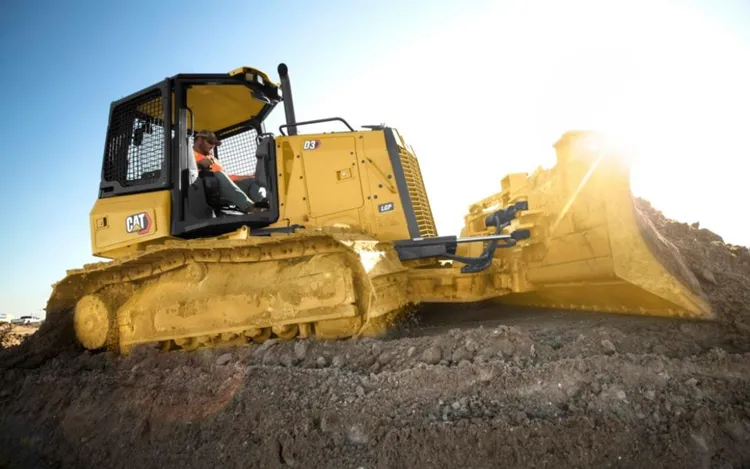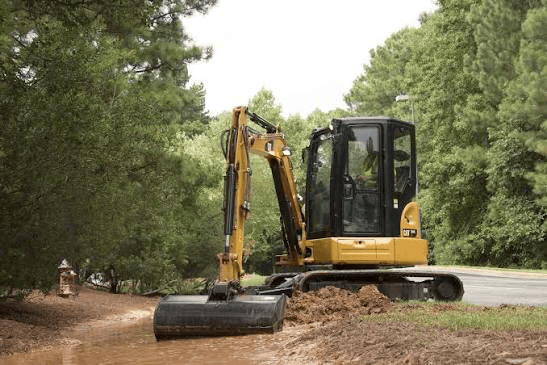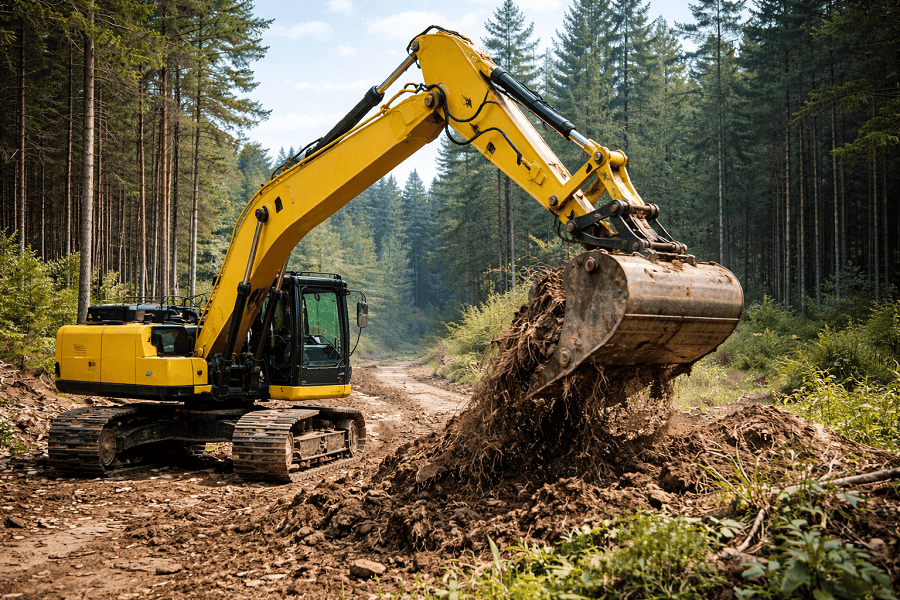
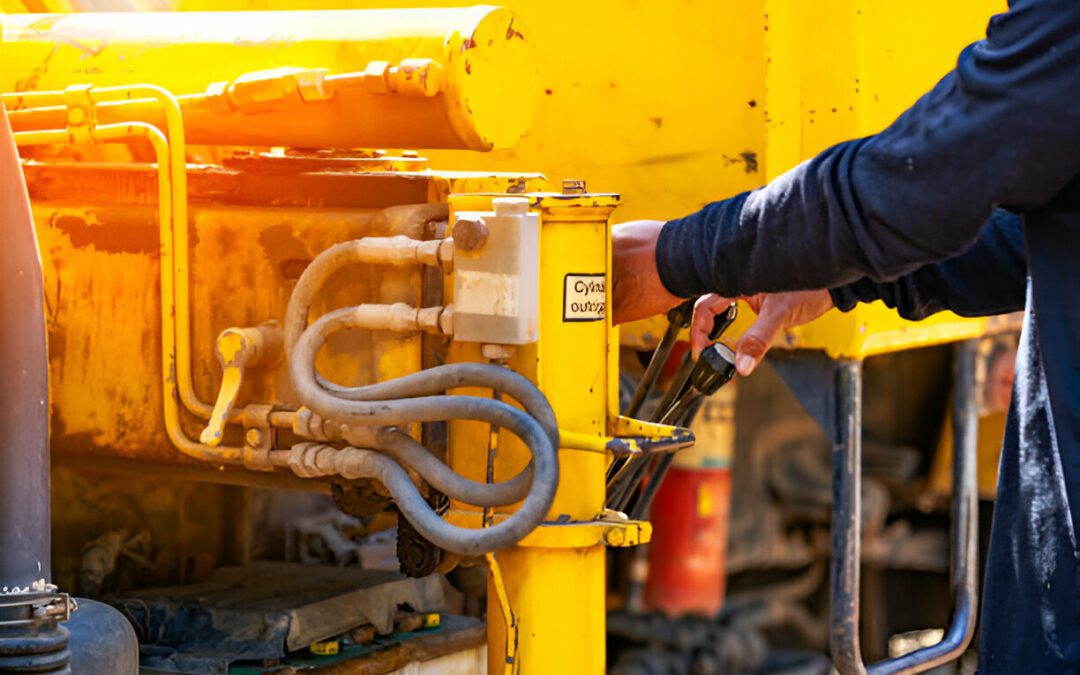
In the construction and mining industry, Heavy equipment downtime means the time when the equipment cannot operate due to damage, maintenance, or other technical obstacles. Downtime can be planned (scheduled), for example for routine or unplanned maintenance (unscheduled) when the tool suddenly breaks down in the middle of the project.
The impact is no joke. Every hour a machine is down means lost productivity, project delays, to potential financial loss. According to a study from Caterpillar Global Data 2024 show that 40% downtime is caused by untimely maintenance and operator errors.
This article will discuss 7 the main cause of heavy equipment downtime, accompanied by prevention strategies, supporting technology, and modern maintenance management so that contractors can maintain optimal equipment performance throughout the project.
1. Lack of Routine Maintenance and Preventive Maintenance
Regular maintenance is the foundation of machine longevity. But in practice, Many companies ignore service schedules for reasons of time efficiency or budget, even though the effects can be fatal. Without preventive maintenance such as P2H heavy equipment, Small components such as oil filters or hydraulic hoses can cause major damage later.
Data dari Komatsu Equipment Maintenance Report (2023) notes that units that miss one scheduled service experience an increased risk of damage of up to 37% in 6 next month. The solution, Each tool must have a service logbook and maintenance schedule based on working hours (hour meter) so that all components are checked in a timely manner.
2. Component Failure and Wear Parts
Components such as bearings, seal, belt, and the hydraulic system has a limited service life. When not replaced according to the interval, the tool will experience a decrease in performance and eventually stop working. Another common cause is the use of counterfeit or low-quality parts that do not meet manufacturer specifications.
According to the Caterpillar Parts Reliability report 2023, the use of non-genuine spare parts increases the risk of system damage to 2,8 times higher than original spare parts. Because, selecting quality components is a form of investment, not additional production.
3. Operator Error in Equipment Operation
The operator is the human factor that has the most influence on the condition of heavy equipment. Errors such as excessive operation (overload), sudden braking, or operation in unsuitable terrain can accelerate component wear. Besides that, operators who do not understand warning indicators (warning light) often ignoring early signs of damage.
Research from OSHA (Occupational Safety and Health Administration, 2023) show that 35% downtime is caused by human error when operating the equipment. The main solution is regular training and certification of operators to understand the characteristics and limits of each type of heavy equipment.
Read Also : 7 Frequent Heavy Equipment Operator Errors and Their Impact on Projects
4. Extreme Work Environment Conditions
Hard working terrain such as mining sites, muddy area, or extreme temperatures can accelerate mechanical failure. Dust and mud can get into the hydraulic system, while high temperatures can cause the oil to oxidize quickly and reduce lubrication efficiency. Besides that, equipment working on rocky terrain has a high risk of undercarriage damage.
Komatsu Operation Environment Study (2022) notes that tools operating in extreme areas require maintenance intervals 25% more often than tools in a normal environment. Mitigation measures include extra protection of the filter, engine cooling, and daily inspection before the equipment is operated.
5. Poor Fuel and Lubricant Management
Fuel and lubricants are the "blood" of heavy equipment. But often, fuel quality is not taken into account, for example, mixed with water or dirt which can clog the injector and damage the combustion system. Likewise, lubricants that do not match the viscosity can accelerate engine wear. This also makes fuel consumption on heavy equipment wasteful.
Menurut Shell Lubricant Report 2023, around 60% Heavy equipment engine damage is caused by incorrect lubricant management, such as late replacement or inappropriate oil selection. Use only clean fuel, oil according to manufacturer's standards, and replace the filter regularly to maintain optimal engine performance.
6. Limited Parts Availability
Downtime is often not caused by equipment failure, but rather because of waiting for spare parts to arrive. In large projects, the slightest delay can impact the entire work schedule. Stock availability of critical components such as filters, seal, or hydraulic pumps should be a priority in warehouse management.
Companies with ready-to-use spare parts inventory can reduce downtime by up to 50% compared to relying on external suppliers. So it is important to create a list of fast-moving spare parts and carry out regular stock audits.
7. Non-Optimal Monitoring and Tracking System
Many companies still rely on manual reports to monitor heavy equipment conditions, even though this approach is prone to information delays. Without a digital monitoring system, Potential damage is often not detected early. On the contrary, tools equipped with sensors and telematics can provide real-time warnings when temperature anomalies occur, the pressure was, or engine vibration.
Data dari Volvo Construction Telematics 2024 shows that the implementation of a digital monitoring system can reduce unplanned downtime by up to 35% in the first year of use.
Effective Ways to Prevent Heavy Equipment Downtime
Then, how to avoid downtime on heavy equipment? To find out, see below.
1. Implementation of a Structured Preventive Maintenance Program
Create a maintenance schedule based on working hours, not a date. Use hour meter as the main indicator, and make sure each unit has a routine service checklist that includes oil, filter, hydraulic system, and critical components.
2. Training and certification of heavy equipment operators
Certified operator have a higher level of technical understanding and responsibility for the tools they control. Apart from basic training, hold refreshment training every 6 months to update capabilities according to the latest tool models.
3. Use of Telematics and IoT Technology
The telematics system allows companies to monitor heavy equipment conditions remotely. Via IoT sensors, data such as engine temperature, the pressure was, and operating hours can be analyzed to detect potential failures early.
4. Efficient Spare Parts Inventory Management
Build a logistics system that prioritizes critical components. Use inventory software to track real-time inventory and avoid sudden stock shortages.
5. Real-Time Monitoring of Heavy Equipment Conditions
Integrate a digital dashboard to monitor the performance of all units in one system. This makes it easier for project managers to make quick decisions when a tool shows signs of damage.
Maintenance Management Strategy to Minimize Downtime
To minimize downtime on heavy equipment, several maintenance management strategies are needed, that is:
Predictive Maintenance vs Preventive Maintenance
Predictive maintenance uses sensor data and AI to predict when equipment will break down before it actually happens. Meanwhile preventive maintenance is routine based on time or working hours. The combination of the two produces a more cost-effective and efficient maintenance system.
Create an Optimal Maintenance Schedule
Use damage history analysis to determine the ideal service interval for each type of equipment. For example, Excavators in mining areas may require every maintenance 200 jam, whereas in urban projects 250–300 hours is sufficient.
Damage History Documentation and Analysis
Log any downtime events, reason, and its duration. This data helps maintenance teams identify damage patterns and improve equipment reliability on subsequent projects.
Modern Technology to Reduce Heavy Equipment Downtime
Integrated Fleet Management System
Fleet management system incorporates GPS, telematics, and database maintenance in one platform. With this system, the company can know the position, status, and real-time service history of each tool.
Mobile Application for Monitoring Equipment Conditions
Many manufacturers now provide special applications such as Komtrax (Komatsu) or VisionLink (Caterpillar). Through this application, Users can monitor fuel consumption, working hours, to service notifications directly from your smartphone.
AI and Machine Learning for Damage Prediction
AI technology analyzes data patterns from sensors to detect signs of damage faster than manual inspection. This system is able to provide automatic recommendations before critical components fail. Downtime is not just about stopping equipment, but about the loss of productivity and reputation of the project. By implementing preventive maintenance, operator training, as well as modern monitoring technology, contractors can significantly cut downtime and maintain operational efficiency. To ensure your heavy equipment is always in top condition, PT Perkasa Sarana Utama (PSU) providing heavy equipment rental units with periodic maintenance, trained operators, and technician support 24 jam. Visit psualatberat.com or consult us via WA (WhatsApp) the 0812-5233-3349 or send an email at rent@psualat Berat.com to get reliable heavy equipment solutions for each of your projects.