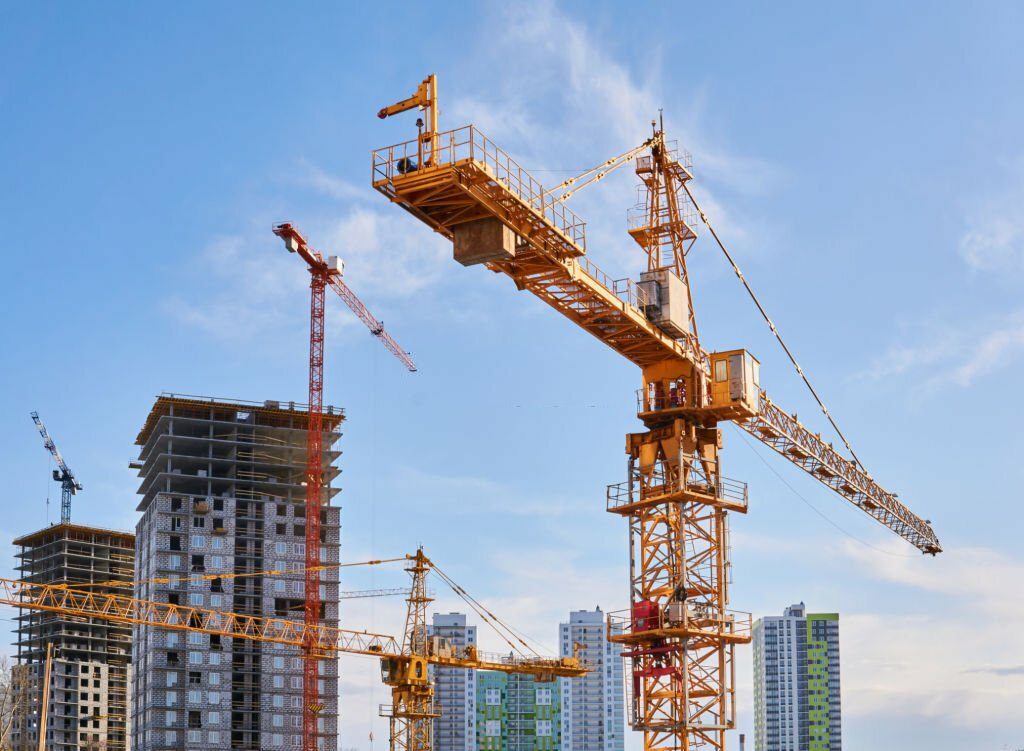
In building construction projects, Choosing the right heavy equipment plays a big role in determining the smoothness and efficiency of work. Every level, ranging from land preparation to finishing, have different tool requirements. Mistakes in selecting tools can hinder the project schedule, increase costs, to create a work safety risk.
According to the PUPR Ministry report (2024), around 35% Construction project delays in Indonesia are caused by the use of heavy equipment that does not meet requirements. Besides that, data from Hinabi (Indonesian Heavy Equipment Industry Association) recorded an increase in demand for heavy equipment by 18% per year, especially for building projects in urban areas.
This article will discuss 15 type of heavy equipment used in building construction, from start to finish, complete with functionality, role, and tips for choosing them so that the project runs efficiently.
Heavy Equipment for Building Land Preparation Stage
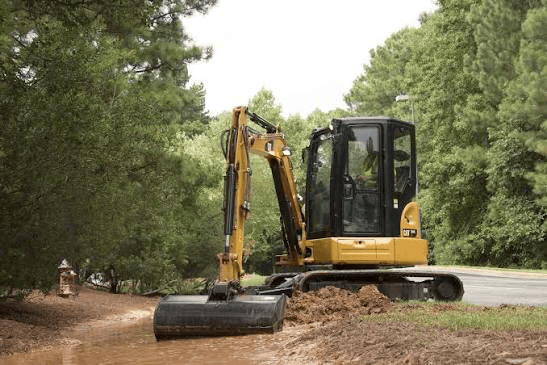
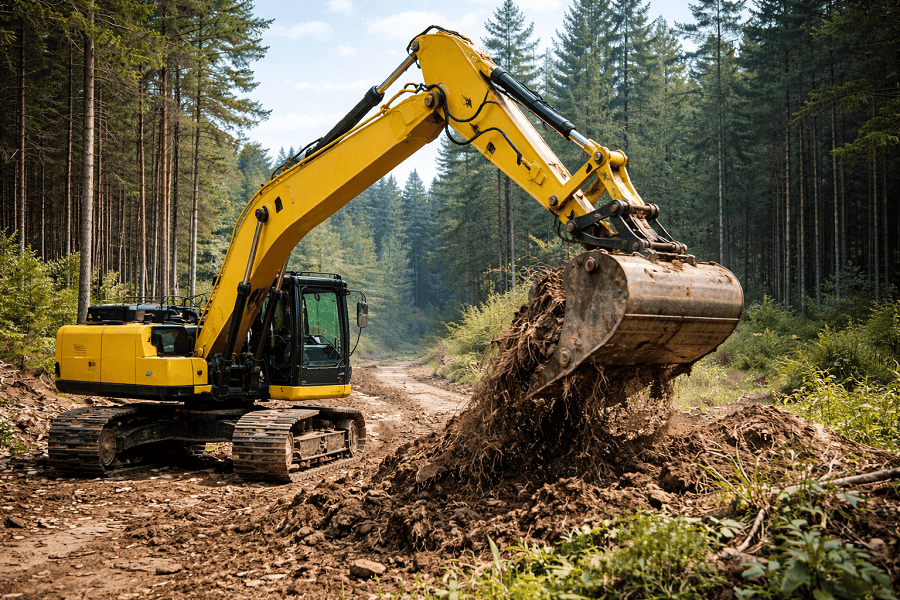
1. Excavator – Multifunctional Earth Digger
Excavator being one of the most versatile tools in the world of construction. Its function is not only to dig the ground, but also to flatten, Lifting material, even destroying old structures. Equipped with a powerful hydraulic system, This tool is capable of working in various terrain conditions, from soft ground to rocky, making it the backbone in the land preparation stage.
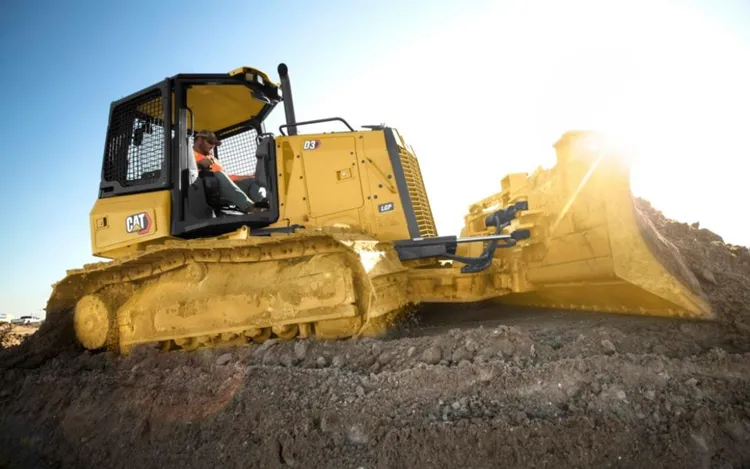
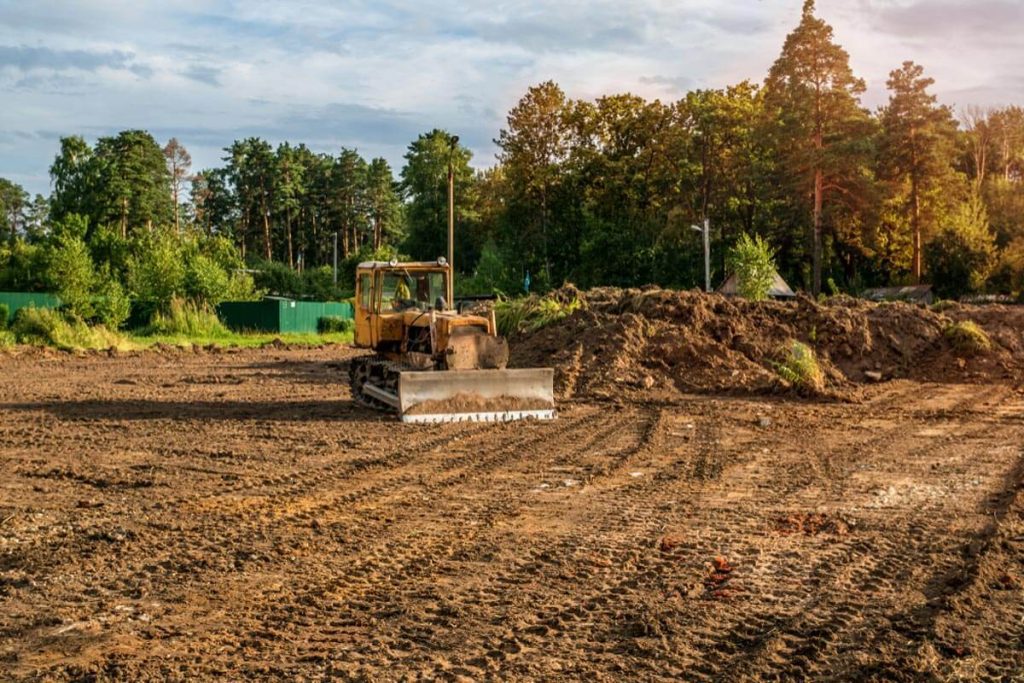
2. Bulldozer – Land Grader and Land Cleaner
Bulldozer works flatten the contour of the land, clean the project area, and pushing heavy materials such as sand, batu, or building debris. With a large steel blade on the front, This tool can remove obstacles on the ground quickly. Bulldozer It is also often used to open temporary road access in large project areas.
3. Wheel Loader – Soil Material Loader
Wheel loaders help move excavated materials such as soil, pasir, or stones into a dump truck or landfill. This tool has a large bucket on the front that can transport large amounts of material in just one movement. Because of its speed and maneuverability, wheel loaders are very useful in large project areas.
Heavy Equipment for Foundation and Substructure Stages
4. Pile Driver – Foundation Pile Driver
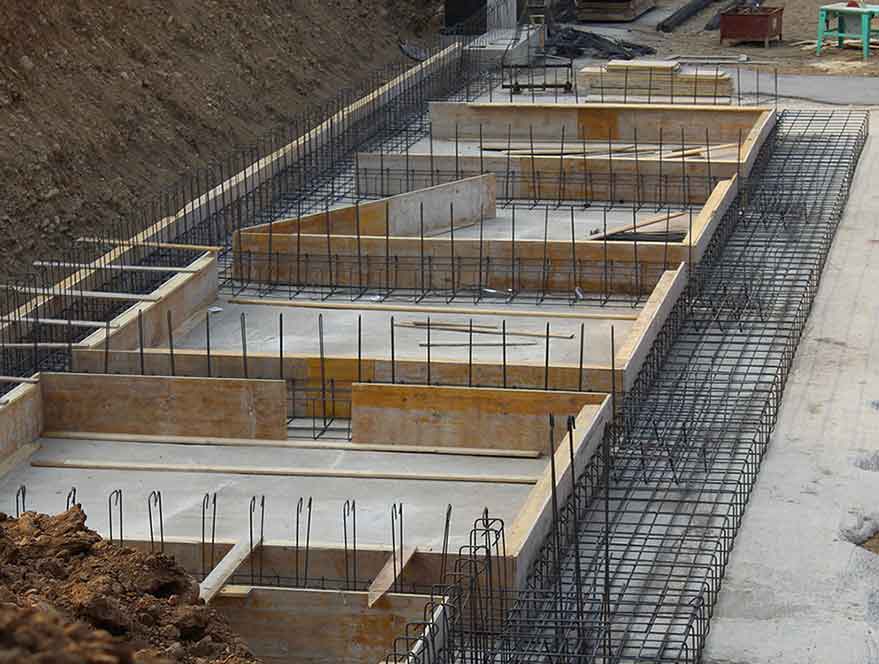
Pile drivers are used to drive concrete or steel poles into the ground, ensure the building foundation is strong and stable. This process is especially important in high-rise buildings that require extra soil bearing capacity. This tool works by pressing or hitting the foundation pillars to a certain depth according to the soil test results.
5. Boring Machine – Deep Foundation Hole Maker
The boring machine functions to make deep foundation holes for the pile drilling system. This tool works with a large drill bit that rotates vertically to penetrate the soil to the required depth. Boring machines are often chosen in urban projects because they do not cause large vibrations, so that it does not disturb buildings around the project site.
6. Crane - Heavy Material Lifter
Cranes have an important role in the foundation stage, especially for lifting and moving heavy materials such as steel reinforcement, concrete pillar, and foundation beams. With wide vertical and horizontal coverage, cranes make it easy to install large elements in hard-to-reach locations. Besides that, cranes help speed up work time without the need for excessive manpower.
Heavy Equipment for Main Structure Levels
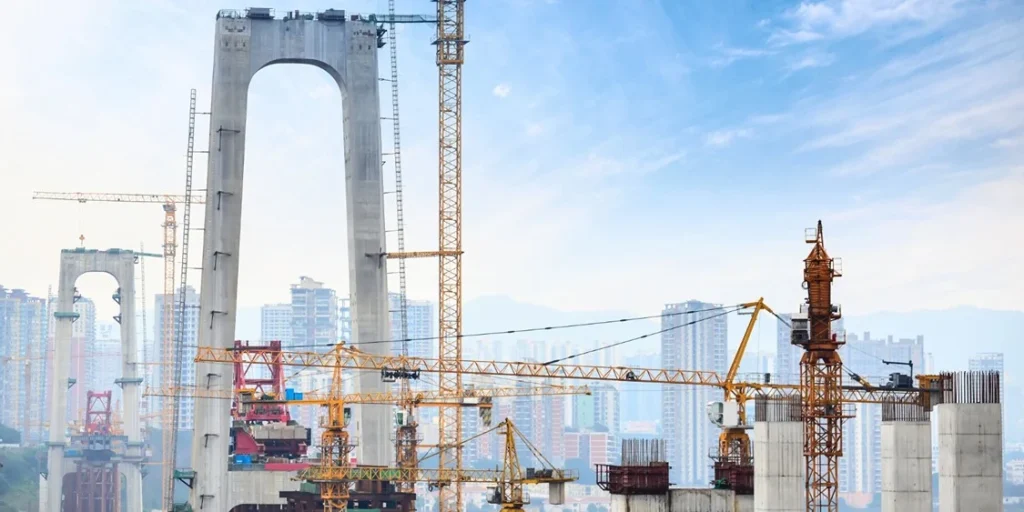
7. Tower Crane – Lifting Material to Height
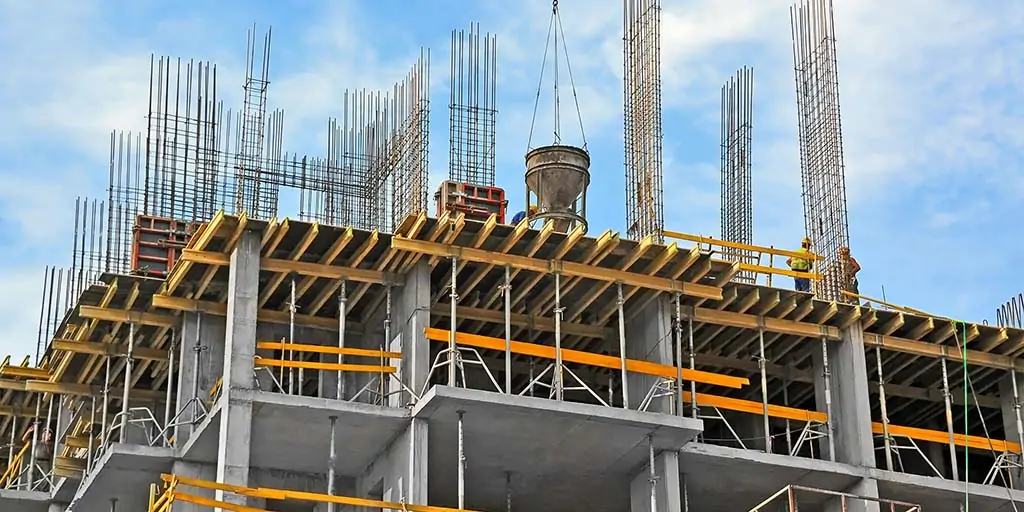
Tower cranes are an icon of high-rise building projects. This tool works to lift materials such as iron, baja, and concrete to the top floor efficiently. Because it can cover a wide area vertically and horizontally, Tower cranes are the main solution to speed up structural work without disturbing activities below.
8. Concrete Mixer Truck – Fresh Concrete Transporter
Concrete mixer trucks or molen trucks are used to transport fresh concrete from the batching plant to the project site. The drum on this truck continues to rotate so that the concrete mixture remains homogeneous and does not harden before it reaches the casting area. The use of this tool ensures that the quality of the concrete remains stable until the casting stage.
9. Concrete Pump – Distributes Concrete to Casting Sites
The function of the concrete pump is to distribute concrete from the mixer truck to the casting area through a system of high pressure pipes and hoses. This tool allows concrete to be distributed to the upper floors without the need for manual labor. With the ability to reach difficult areas, Concrete pumps are very efficient for high-rise buildings.
10. Concrete Vibrator – Concrete Compaction
Concrete vibrators play an important role in ensuring that the concrete being cast is solid and free of air voids. The vibrations produced by this tool help the concrete mixture fill any gaps in the formwork, increasing the strength and durability of the structure. No vibrators, Concrete can be porous and easily crack in the future.
Heavy Equipment for Wall and Frame Levels
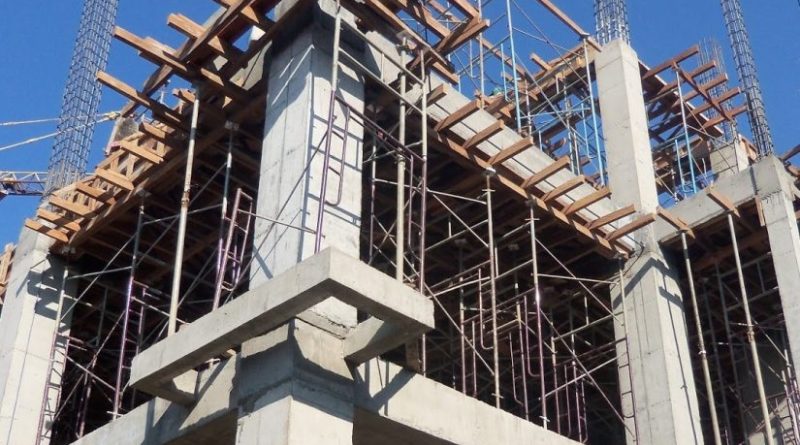
11. Mobile Crane – Mobile Crane for Limited Areas
Mobile cranes have high flexibility because they can move places quickly without the need for permanent installation. This tool is often used to lift material in narrow areas or locations with limited maneuvering space. Apart from being efficient, Mobile cranes also speed up work in dynamic construction areas.
12. Scaffolding – Scaffolding for Height Access
Scaffolding or scaffolding is used as temporary work access for workers at height. This structure allows work such as wall installation, painting, or finishing is done safely. Scaffolding is an important part of the frame construction stage because it provides stability for workers in high areas.
Heavy Equipment for the Finishing Level
13. Aerial Work Platform – Height Work Platform
Aerial Work Platform (AWP) used for work in high areas such as glass cleaning, facade installation, or exterior painting. With a stable hydraulic system, This tool provides safety and comfort for workers. AWP is also efficient because it can be raised and lowered as needed without dismantling additional structures.
14. Forklift – Lifting Finishing Material
Forklifts are very useful for moving finishing materials such as paint, ceramic, or interior materials in the project area. With various lifting capacities, this tool makes logistics easier in busy project areas. Electric forklifts are now widely used because they are more environmentally friendly and make less noise.
15. Compactor – Landscaping Area Soil Compaction
A compactor was used in the final stages of the project to compact the soil around the garden area, footpath, or parking lot. With strong vibration, This tool ensures that the soil is dense and stable before paving or asphalt is installed. The use of a compactor helps extend the life of the surface of the building's exterior areas.
Summary table of heavy equipment and its functions per building construction stage
| Project Stage | Heavy Equipment | Main function |
| Land preparation | Excavator | Dig, flatten, and moving soil materials in the project area |
| Bulldozer | Cleaning land and leveling uneven land contours | |
| Wheel Loader | Move earth and stone materials to other means of transportation quickly | |
| Foundation & Bottom Structure | Pile Driver | Install foundation pillars so that the building has a strong base |
| Boring Machine | Making deep foundation holes for the drill pile system | |
| Crane | Lifts heavy materials to installation positions with high precision | |
| Main Structure | Tower Crane | Lifting materials to upper floors with wide vertical and horizontal reach |
| Concrete Mixer Truck | Mixing and transporting fresh concrete to the casting location | |
| Concrete Pump | Distributes concrete to the casting area on the top floor | |
| Vibrator Beton | Compact the concrete so that it is not porous and has optimal strength | |
| The wall & Frame | Mobile Crane | Lifts materials in confined areas with great flexibility |
| Scaffolding | Provides safe work access for work at height | |
| Finishing | Aerial Work Platform | Provides work access for installation and painting in high areas |
| Forklift | Lifting and moving finishing materials in the project area | |
| Compactor | Compacting the soil for the garden area, parking, and footpaths |
Tips for Choosing Heavy Equipment that Suits Your Project
For those of you who are still confused about choosing heavy equipment that suits your construction project, Here are some tips that you can consider:
Consideration of Building Scale and Height
Each project has different tooling requirements depending on the scale and height of the building. High-rise building projects require equipment with vertical reach such as tower cranes and concrete pumps, while small projects can use a mobile crane.
Cost Efficiency of Renting vs Buying Heavy Equipment
For short duration projects, Renting heavy equipment is a smart choice because it is more cost effective. However, Large contractors with ongoing projects may consider purchasing their own equipment as a long-term investment.
Operator and Work Safety Certification
Heavy equipment operators must have official certification from BNSP or the Ministry of Manpower. Experienced operators will ensure the tools are used according to procedures and maintain the safety of the entire team in the field.
Each stage of building construction requires heavy equipment with different functions, starting from excavators and bulldozers at the beginning, to tower cranes, concrete pump, and compactor in the final stage. Choosing the right tool not only speeds up the work, but also helps save costs and improve work safety.
For building construction heavy equipment rental needs, Trust PT Perkasa Sarana Utama (PSU) excavator rental provider, vibro rollers, bulldozer, and other construction equipment with well-maintained units and professional operators. Visit psualatberat.com or consult us via WA (WhatsApp) the 0812-5233-3349 or send an email at rent@psualat Berat.com for the best offer for your project.