In every construction project, Heavy equipment rental costs can be one of the largest components of expenses, especially at the structure and infrastructure work stage. Mistakes in calculating or selecting the type of tool can cause budget overruns of up to 20–30% of the total project cost.
According to data from the Central Statistics Agency (BPS) 2024, the output value of the Indonesian construction sector reached more than Rp 3.000 trillion, with more than 40% Private and state-owned projects depend on the heavy equipment rental system, not direct ownership. It means, Understanding the factors that influence rental prices is essential so contractors can control their budget, avoid overbudget, and maintain project profitability.
In this article, we will explain 7 the main factor that determines the rental price of heavy equipment, how to calculate estimated rental costs with practical examples, as well as 8 economical tips to keep project budgets efficient without sacrificing work quality.
1. Types and Specifications of Heavy Equipment
Type and specifications of heavy equipment be the first and most influential factor in determining the rental price. The greater the capacity and power of the tool, Usually the rental rates are higher because the operational and maintenance costs are also greater.
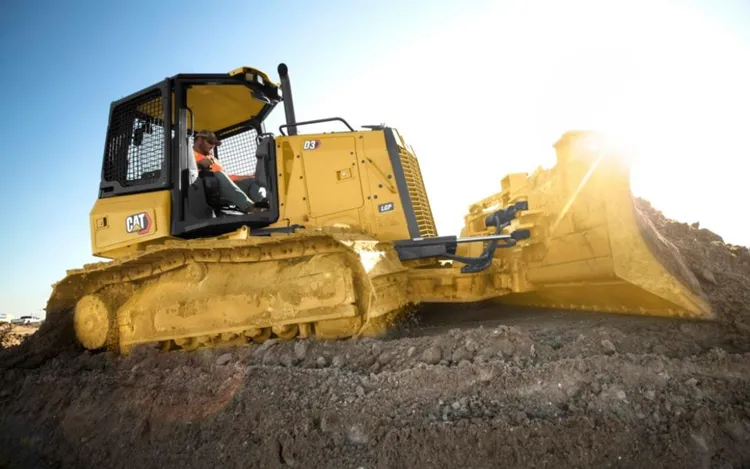
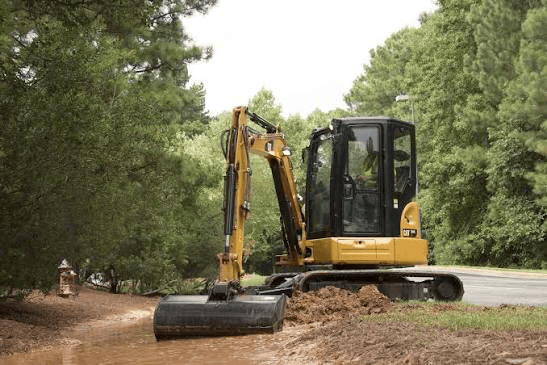
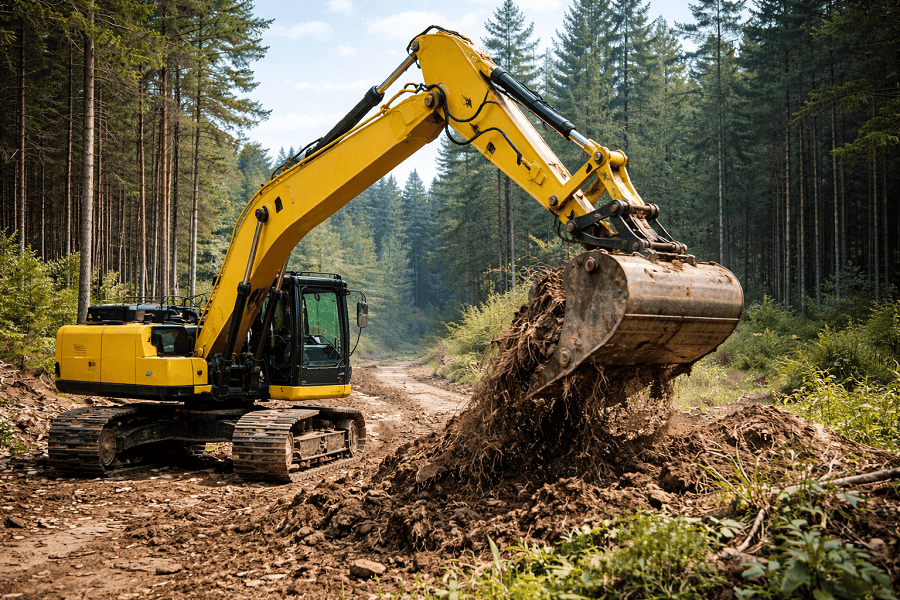
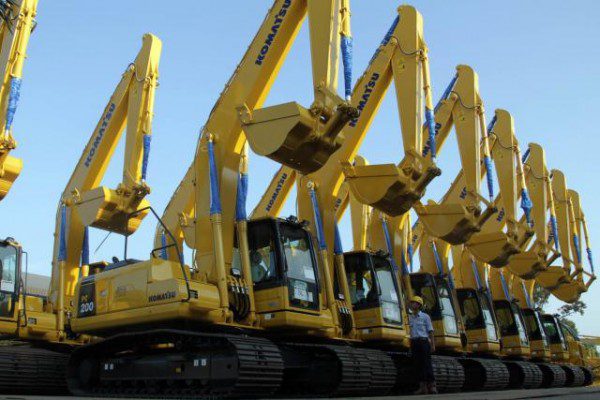
For example, sewa excavator 20 ton (Komatsu PC200) ranges from IDR 250,000–300,000 per hour, while a mini excavator is only around IDR 160,000–200,000 per hour. Meanwhile, Specialized heavy equipment such as cranes or vibro rollers can have higher rates because they require certified operators and complex maintenance.
2. Rental Time Duration
The rental duration has a direct effect on the price. Usually, the longer the rental duration, then the price per day or per hour becomes cheaper because of long-term discounts. Heavy equipment vendors tend to provide discounts for weekly or monthly rental contracts.
As an illustration, Daily excavator rental can be IDR 2,5 million, but if you rent it monthly it can go down to Rp 1,8 million per day. Therefore, Equipment working time planning must be prepared carefully so that the rental is efficient.
3. Condition and Age of Heavy Equipment
The condition of the equipment is also a major determinant of the rental price. New units or with low working hours (hour meter below 3.000 jam) Of course, the rates are higher than the old units. However, Equipment in prime condition tends to be more fuel efficient and has minimal risk of downtime, so it remains profitable in the long run.
Based on the Komatsu Used Equipment Review report (2023), heavy equipment over the age 5 year has the potential for downtime 40% higher than new units. Because of that, choosing a tool with verified routine maintenance is a smart choice, although the price is slightly higher.
4. Project Location and Mobilization Distance
Logistics factors are often hidden costs in heavy equipment rental. The farther the project location is from the garage or tool depot, the greater the mobilization and demobilization costs, especially if the equipment must be shipped using a trailer or lowbed truck. Apart from distance, Road access and shipping permits can also add to operational costs.
For projects outside Java, Mobilization rates can reach IDR 15–25 million per unit, depending on the distance and weight of the tool. Companies should choose equipment providers that have branches or depots closest to the project location.
5. Operator and Fuel Fees
Some vendors rent equipment with operators and fuel (BBM), while others only provide the tools (dry hire). Of course price wet hire (with operator and BBM) will be higher, but it is also more practical because tenants do not need to look for additional labor.
As an illustration, excavator with operator and fuel has a rate of around IDR 300,000–350,000 per hour, while without fuel it is only IDR 230,000–250,000 per hour. It is also important to pay attention to the fluctuating price of industrial diesel, because it can affect the total monthly rental costs.
Read Also: How much heavy equipment fuel consumption per hour? This is the complete table!
6. Season and Market Demand Level
Demand for heavy equipment increases during the infrastructure project season (April–Oktober) and decreases during the rainy season. At peak times, Rental rates can increase by 10–20%, especially for the most widely used tools such as excavators, bulldozer, and crane.
According to data from the Indonesian Heavy Equipment Association, Demand for heavy equipment in Indonesia is increasing 18% in the second quarter of each year. Because, making reservations early before the project season starts is the right strategy to get the best prices.
7. Maintenance and Insurance Costs
Heavy equipment vendors usually take into account routine maintenance costs, spare parts replacement, and equipment insurance in rental rates. However, for long duration projects or in high risk areas (like a mine or a swamp), additional costs may arise.
Insurance is needed to protect against the risk of damage due to accidents or disasters. Renters who decline insurance plans are sometimes charged higher liability fees if damage occurs. Make sure the maintenance and damage liability clauses are explained transparently in the rental contract.
8 Effective Tips for Saving Heavy Equipment Rental Costs
After knowing several factors that influence heavy equipment rental prices, It would be good if we also need to take into account that the costs for renting heavy equipment are not over budget. There are several saving tips that you can do as follows:
- Plan Heavy Equipment Needs in Detail
List the types and number of tools based on the type of work on the project. Don't rent large capacity equipment if you don't need it.
- Choose the Optimal Rental Duration
Avoid renting too short or too long. Calculate the equipment work requirements per day so that the rental duration is right and does not incur idle costs.
- Compare Prices from Various Vendors
Ask for a quote from the minimum 3 heavy equipment rental provider. Compare not only price, but also the condition of the unit, depot location, and after-rental service.
- Price Negotiation and Bundling Packages
Vendors usually provide discounts for renting more than one unit or different equipment combinations (example: excavator + dump truck). Take advantage of this opportunity to reduce costs per unit.
- Consider Long Term Rentals
For projects more than 2 month, Monthly rent is much more economical than the daily system. Besides that, You can get priority service from the vendor.
- Optimize Tool Usage Schedule
Manage the tool's work schedule efficiently so that there is not much idle time. Coordinate between project divisions so that tools are used optimally every day.
- Preventive Maintenance During the Rental Period
Carry out light checks such as checking the oil, hydraulic pressure, and filter every day. This simple step can prevent sudden damage that extends rental time.
- Take advantage of technology for monitoring
Use GPS and telematics systems to monitor equipment working hours in real-time. With accurate data, You can calculate rental costs based on the effective hours the equipment works, not just the duration of the rental.
Common Mistakes That Make Rental Costs Soar
- Not Conducting a Needs Survey
Many projects experience waste due to renting tools that are not suitable for the type of work. A field survey before renting will help determine the ideal type and capacity of equipment.
- Selecting a tool that does not meet specifications
Tools that are too big or small for project needs cause efficiency to decrease. For example, using an excavator 30 tons for light work actually wastes fuel.
- Ignoring Hidden Fees
Some contractors forget to take into account additional costs such as operator overtime, additional solar, or delivery of equipment. Always make sure the cost details are transparent in the contract.
Checklist Before Renting Heavy Equipment
- Check the physical condition of the equipment & hour meter
- Make sure the vendor has an official business license
- Ask whether the price includes operator and fuel
- Check the unit availability schedule on the project date
- Make sure there is a written contract and service guarantee
- Compare minimum 3 vendor before deciding
The rental price of heavy equipment is influenced by many factors, starting from the type of tool, rental duration, project location, to market demand. By understanding cost components and implementing efficiency strategies, You can save up to 15–25% of the total project cost without reducing the quality of the work.
For a transparent heavy equipment rental solution, well maintained, and ready to work, Trust PT Perkasa Sarana Utama (PSU), excavator rental provider, bulldozer, to professional vibro rollers throughout Indonesia. Visit psualatberat.com or consult us directly via :
- Call call center (021) 8242 8055
- WhatsApp 0812-5233-3349
- Email : rent@psualatberat.com
- Filling Form on the PSU site
We will respond immediately and provide the best offer for your project.