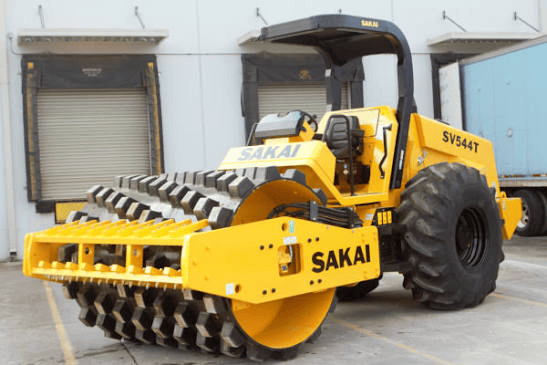
Padfoot drum is a type of drum on a vibro roller that has metal protrusions on its surface. This component is designed to help compact cohesive soil, such as clay and clay, through a combination of roller pressure, vibration, as well as the squeezing effect (kneading).
In construction projects, The use of padfoot drums helps increase soil density in embankment work, stack, and road base soil layer (subgrade). However, its effectiveness depends on the characteristics of the material, water level, and compaction requirements in the field.
Then, how does a padfoot drum work and what are its functions in construction projects? In this article, we will discuss the meaning of padfoot drums, the way it works, main function, suitable soil type, to the difference with a smooth drum. You will also find Padfoot Drum Vibro Roller rental options 10 tons from PT Perkasa Sarana Utama (PSU) to support the needs of construction projects.
What is Padfoot Drum on Vibro Roller?
A padfoot drum is a compactor drum equipped with metal protrusions shaped like feet or pads on its surface. The protrusion can be cone-shaped, rectangle, or cylinder, depending on the design of the tool used.
Different from smooth drum which has a flat surface, Padfoot drums are designed to provide concentrated pressure on the ground. When the drum rotates, The protrusions will press and enter the layer of material, thereby helping the compaction process from the inside of the layer.
Padfoot drums are generally used to compact cohesive soil that has high adhesion, such as clay and clay. This type of drum can also be used for embankment and land preparation work, taking into account the condition of the material and tool specifications.
How Padfoot Drums Work?
Padfoot drums work by combining the weight of the roller, dynamic vibration, and concentrated pressure from the protrusions on the drum. The combination of the three helps increase soil density according to material conditions and equipment operating settings.
Following are the three main mechanisms in the compaction process using a padfoot drum.
1. Static Pressure from Roller Weight
The weight of the tool exerts pressure on the layer of soil it passes through. This pressure is one of the factors that helps seal the material during the compaction process.
The magnitude of the pressure effect depends on the weight of the unit, soil conditions, and the thickness of the layer being worked on.
2. Dynamic Vibration
When vibration mode is activated, The drum produces a dynamic force that helps soil particles move and rearrange their structure. This process can help reduce air spaces between material particles.
Its effectiveness still depends on the type of soil, water level, vibration frequency and amplitude, as well as the number of roller passes.
3. Penetration and Squeeze Effects
The ridges on the drum padfoot exert pressure on a smaller contact area than a smooth drum surface. When the drum moves, These protrusions provide penetration and squeezing action or kneading on the ground.
This mechanism helps to process lumps of soil and compact cohesive material. However, The release of water and air from soil pores does not always occur in the same way because the results are influenced by material conditions and compaction methods..
Read too: 5 The Best Vibro Roller Brand that is Widely Used in Indonesia
What is the Function of a Padfoot Drum in a Construction Project?
Padfoot drums have several important functions in soil compaction work. Its use is primarily intended for cohesive materials that require concentrated pressure and squeezing action.
1. Compacting Cohesive Soil
The main function of padfoot drum is helps compact cohesive soil, such as clay and clay. The characteristics of the protrusions on the drum support the compaction process of materials that have high adhesion.
Padfoot drum selection needs to consider the soil type and water content. Unsuitable material conditions can affect the effectiveness of compaction.
2. Helps Break Up Clods of Soil
In backfill work, Soil can have lumps that need to be tilled before reaching the target density. The padfoot drum protrusions provide concentrated pressure and a squeezing action that helps break up the lumps.
This process needs to be supported by setting the thickness of the bed and the number of passes according to field conditions.
3. Increasing Subgrade Density
Padfoot drum can be used to help compact the base soil layer or subgrade before further construction work is carried out.
Subgrade soil compacted to specifications can help provide a more stable support layer for the structure above. For road work, Compaction results need to be checked according to project technical requirements before the pavement layer is installed.
4. Support Embankment and Embankment Work
Embankment and embankment work requires gradual soil compaction so that the layer formed meets the density target. Padfoot drums can be an option for cohesive materials for such jobs.
The use of tools must be adjusted to the construction design, type of material, thickness of each layer, and applicable density testing procedures.
Types of Soil Suitable for Padfoot Drum
Padfoot drums are generally more suitable for cohesive soils than loose granular materials. Nevertheless, Overall soil conditions still need to be checked before determining the type of roller.
| Material Type | General Suitability | Consideration |
| Clay or clay soil | Suitable for many compaction jobs | Pay attention to the water content and soil condition |
| Cohesive silt soil | Can be used according to material characteristics | It is necessary to evaluate the properties and moisture of the soil |
| Cohesive backfill soil | Can be considered | Adjust to compaction specifications |
| Sand and gravel | It is generally more appropriate to use a smooth drum or other appropriate tool for granular materials | Check gradation and density requirements |
| Asphalt | Not a prime choice for final compaction | Use a roller that is appropriate for the paving stage |
The table is a general guide. Tool selection should follow material specifications, project design, and technical recommendations in the field.
Difference between Padfoot Drum and Smooth Drum
Padfoot drums and smooth drums are both used in compaction work, but have different surface shapes and uses.
| Aspect | Padfoot Drum | Smooth Drum |
| Surface shape | Has metal protrusions | Smooth and even |
| Main mechanism | Centralized pressure and squeezing effect | Pressure through a flatter drum surface |
| Commonly handled materials | Clay soil, clay, and cohesive materials | Pasir, gravel, aggregate, as well as certain leveling work |
| Surface results | Tends to be jagged or leave a trail of ridges | Tends to be flatter |
| Usage | Cohesive soil compaction and embankment work | Compaction of granular materials and surface work according to specifications |
On several projects, compaction with a padfoot drum is continued using a smooth drum roller to level the surface. These stages are adjusted to the materials and construction needs, not a requirement for all jobs.
When is it Best to Use Vibro Roller Drum Padfoots?
Padfoot drums may be considered when the project requires cohesive soil compaction, Like the land of the land, clay, or backfill material with similar characteristics.
Some jobs that can use this tool include:
- Compacting the road subgrade before the pavement layer is installed.
- Compaction of embankment material in construction land preparation.
- Earth embankment and embankment work according to project specifications.
- Compaction of soil layers in infrastructure work using cohesive materials.
Before determining the unit, check soil conditions, water level, layer thickness, target density, as well as access to tools to the project location. These factors help ensure roller selection is appropriate to the job requirements.
Vibro Roller Padfoot Drum Rental 10 Tons at PT Perkasa Sarana Utama (PSU)
If your project requires tools for cohesive soil compaction, PT Perkasa Sarana Utama (PSU) provides Padfoot Drum Vibro Roller 10 Tons, Diesel Powered to support construction work needs.
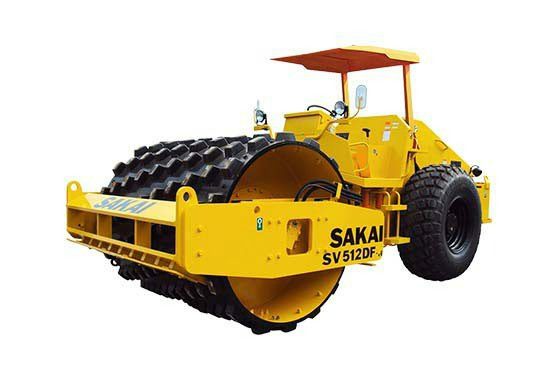
This unit can be considered for soil compaction work that suits the characteristics of padfoot drums. The PSU team can help you check unit availability and discuss tool needs based on type of work, project location, as well as the duration of the rental.
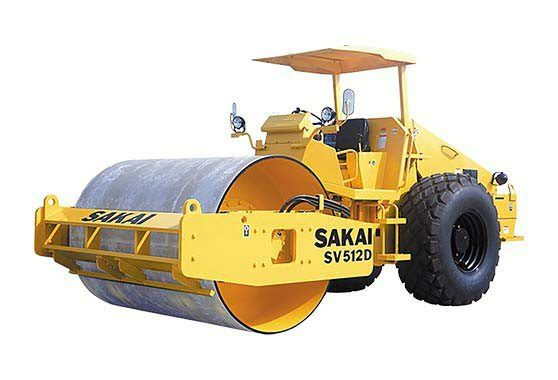
You can also compare it with the Smooth Drum Vibro Roller 10 Tons, Diesel Powered if the project requires a drum with a smooth surface for different materials or compaction stages.
Product information is available via Catalog Vibro Roller PSU following:
With experience of more than 19 years in the field of heavy equipment rental and logistics, PSU is ready to help with heavy equipment needs for various construction jobs. Consult your project needs to get unit recommendations and suitable offers.
Need to rent a Padfoot Drum Vibro Roller for your project? Immediately contact the PT Perkasa Sarana Utama team now for the best offers and unit availability this week.
- WhatsApp: 0812-5233-3349
- Email: rent@psualatberat.com
- Website: psualatberat.com
- Contact page: Contact the PSU
FAQ about Padfoot Drums
What is the difference between Padfoot Drum and Smooth Drum?
Padfoot drums have protrusions on their surface and are generally used for cohesive soils. Smooth drums have a flat surface and are more often used for granular materials such as sand, gravel, as well as certain surface leveling work.
Is the Padfoot Drum suitable for compacting asphalt?
Padfoot drums are not the primary choice for final asphalt compaction because their protrusions can leave an uneven surface. Asphalt compaction generally uses a roller with a smooth drum according to the stage of work.
Can the Padfoot Drum be used for wet soil?
Its use depends on the type of soil and water level. Padfoot drums can be used on cohesive soils with suitable moisture conditions, but soil that is too wet can make it difficult to achieve the target density. The condition of the material needs to be evaluated before compaction is carried out.
Does compaction with the Padfoot Drum need to be continued using the Smooth Drum??
Not always, but a further step with a smooth drum may be necessary if the project requires a flatter surface. These needs depend on the type of material, job specifications, and surface conditions after compaction.
What is the weight of Padfoot Drum Vibro Roller available in PSU?
PSU has a Padfoot Drum Vibro Roller product page 10 Tons, Diesel Powered. To ensure unit availability, rental terms, and the latest offers, contact the PSU team directly via WhatsApp or the official contact page.