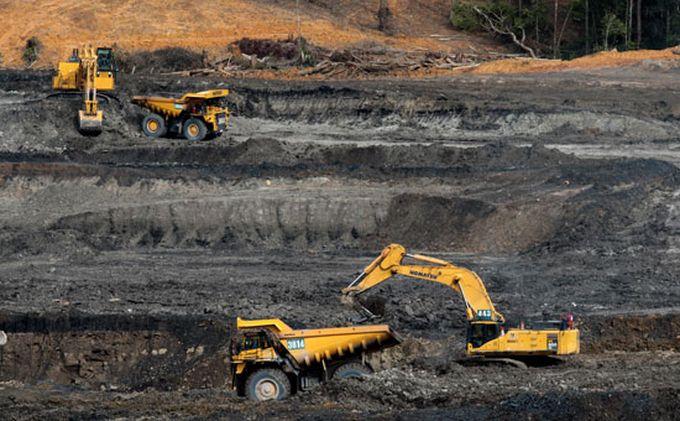
In many construction or mining projects, There is one complaint that almost always arises during operational meetings: escalating fuel costs.
At first it may seem trivial. But when reports on diesel consumption begin to be compared with equipment productivity, the same questions usually arise: why do our heavy equipment feel so wasteful??
Some people immediately blame the age of the engine. There are also those who assume the quality of the unit is not good. In fact, the reality is often much simpler and sometimes a bit flashy too.
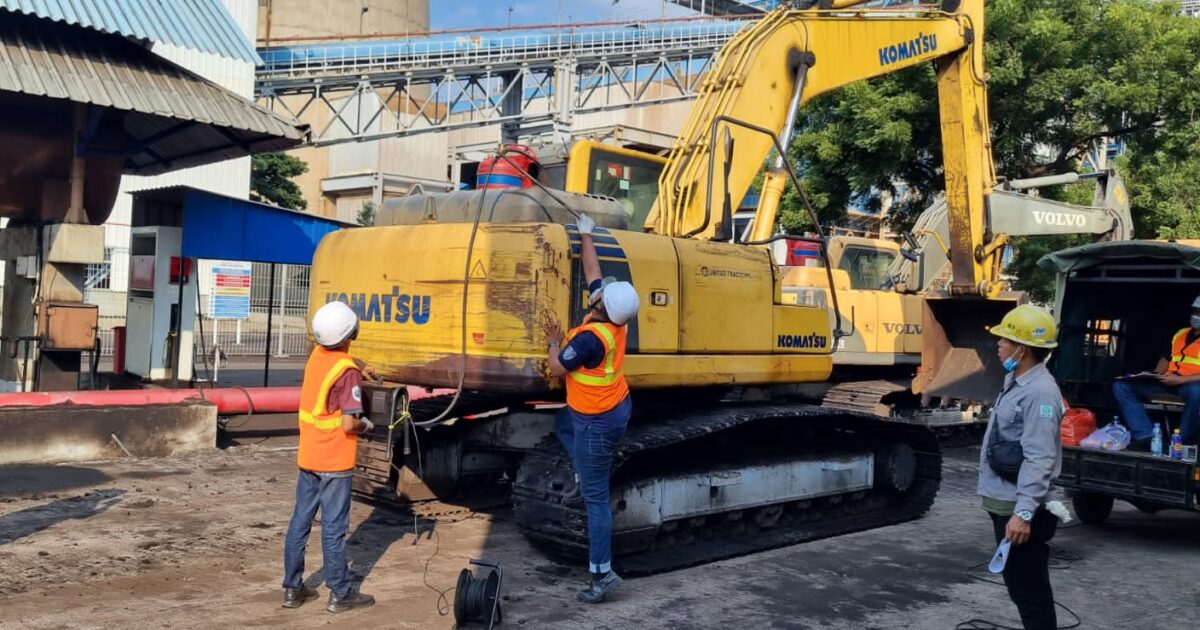
Small habits in the field are often the main cause. Interesting it, even heavy equipment from large manufacturers such as Caterpillar, Komatsu, or Hitachi Construction Machinery, which is known for being efficient, can still be wasteful if the operating method is not correct.
Let's take a look at some of the most common and honest causes, sometimes it goes unnoticed by operators and field supervisors.
1. Machine Left Idle Too Long
This may sound simple. But the impact is big. At many project locations, We often see heavy equipment whose engine remains on even though it is not working. The operator waits for the dump truck to arrive. Or maybe wait for the next instruction from the supervisor.
It seems only for a moment. But if this incident occurs repeatedly throughout the day, Wasted diesel consumption can be very significant.
Diesel engines still burn fuel when idling, even if the tool doesn't produce any work. In operational terms, this is known as idle time and is often one of the biggest sources of waste.
Some companies even find that by simply reducing idle time, they can reduce fuel consumption up to tens of percent.
The solution is actually simple:
- Turn off the machine if you wait long enough
- Coordination of tool work is neater
- Make sure the workflow between units does not wait too long for each other
Sometimes efficiency doesn't come from new technology, but from slightly improved work habits.
2. Too Dirty Air Filter
If you have ever worked in a mining area or road project, You definitely know one thing: dust was everywhere. This dust often secretly clogs the engine's air filter.
Even though the air filter has an important role. It ensures that the air entering the combustion chamber remains clean. When the filter starts to get dirty, oxygen supply is reduced. As a result, combustion is incomplete.
The engine also has to work harder to produce the same power. And when the engine works harder… yeah, the fuel needed is also more.
Some signs that often appear when the air filter has problems include:
- The machine feels less responsive
- Exhaust smoke is thicker than usual
- Fuel consumption suddenly increases
Things like this are often considered a big problem. In fact, sometimes the solution is just to clean or replace the air filter.
3. How the Operator Operates the Tool
This is a part that is sometimes a bit sensitive to discuss. But it's a fact, Operator skill greatly influences heavy equipment fuel consumption.
Experienced operator usually knows how to control the throttle smoothly. The movement of the tool feels more stable, cycle time is neater, and the machine is not forced to work beyond necessity.
On the contrary, operators who are too aggressive often unknowingly make the machine work much harder.
For example:
- Lifting weights too quickly
- Moves boom and bucket simultaneously without control
- Using high RPM continuously
All those little quirks add to the machine's workload. In several operational studies, Differences in operator technique can even make fuel consumption differ by up to 10-15% on the same unit.
It means, investing in operator training is often much more cost-effective than simply replacing a new tool.
4. Tools Forced to Work Exceeding Capacity
Each heavy equipment is designed with a certain working capacity. There is a safe limit determined by the manufacturer regarding bucket capacity, lift, and operational expenses.
But in the field, the situation is often different.
Sometimes operators try to transport more material so that the job feels completed more quickly. Or the tool is forced to work in conditions that are not actually ideal.
The problem, when the tool is forced beyond its normal capacity, the engine must produce extra power. The pressure in the hydraulic system increases. And of course fuel consumption also increases.
Besides that, overload also risks causing:
- component damage more quickly
- shorter engine life
- potential work accidents
So actually it's not just about wasting fuel—it's also about safety and equipment lifespan.
5. Hydraulic System Not Working Optimally
Most modern heavy equipment relies heavily on hydraulic systems.
Boom movement, bucket, arm, even the steering on some units all use hydraulic power. If this system has a problem, the impact is immediately felt on the performance of the tool.
For example:
- there is a hydraulic oil leak
- the hydraulic pump starts to weaken
- the seal is starting to wear out
When hydraulic pressure drops, the engine has to work harder to produce the same power. The end result? Fuel runs out faster.
Usually the signs are quite pronounced:
- slower tool movement
- lift is reduced
- the pump sounds abnormal
If these symptoms appear, It is best to have it checked immediately before the damage develops further.
6. Less Consistent Machine Maintenance
In many projects, Tool maintenance is often carried out only when the tool has a problem. However, this approach almost always results in greater costs.
Routine maintenance or preventive maintenance In fact, it is much more effective in keeping engine performance stable.
Some components that must be paid attention to regularly include::
- was mesin
- fuel filter
- injector
- cooling system
If these components start to become dirty or worn, engine combustion will not be optimal. The machine can still work, but the efficiency decreases. And when efficiency goes down, fuel consumption will definitely increase.
7. Quality of Fuel Used
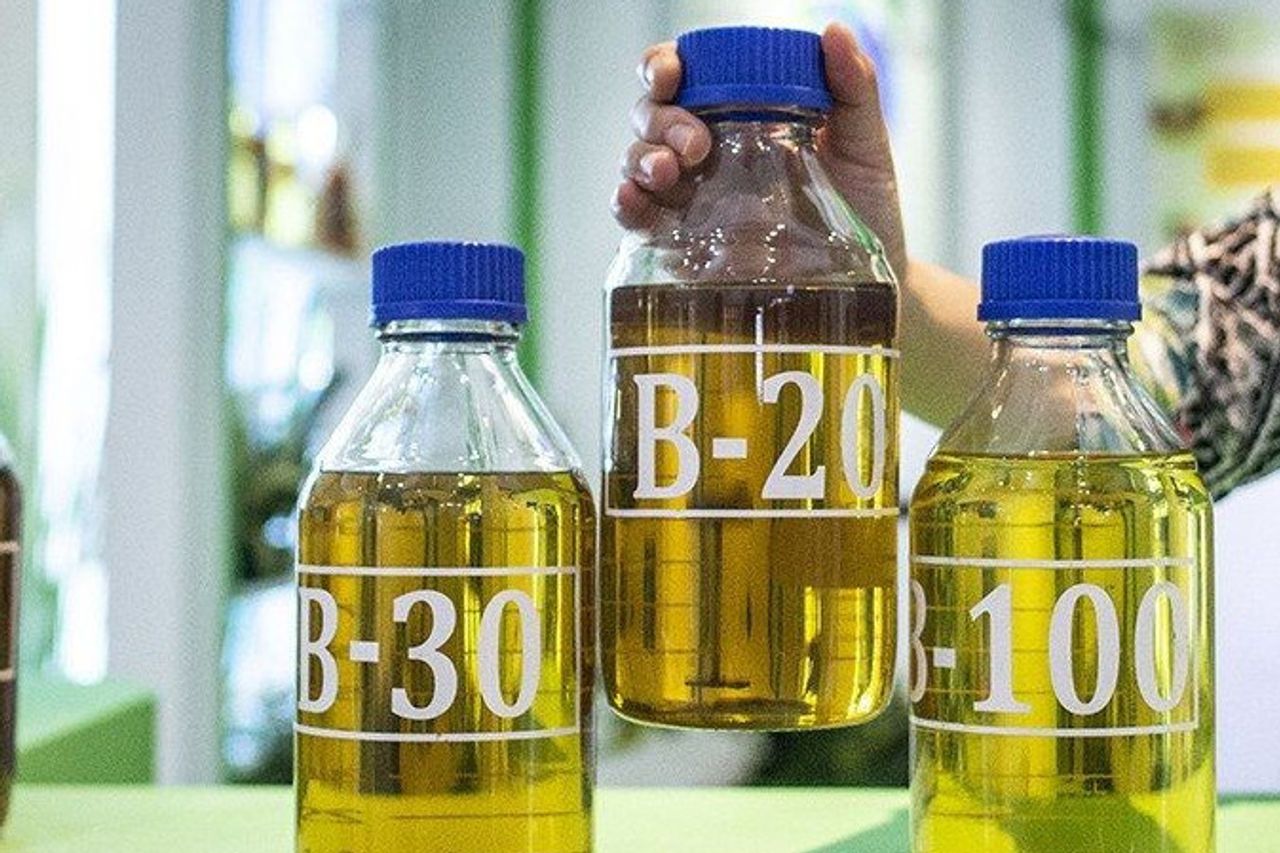
The final factor that is often forgotten is the quality of the diesel itself. Not all diesel fuel has the same quality. Diesel fuel with a low cetane number or high sulfur content can make engine combustion less than perfect.
As a result, engine power is reduced and fuel consumption increases. In Indonesia, Diesel fuel standards are regulated by many energy producers such as Pertamina. Using quality fuel that meets engine specifications is very important to maintain equipment performance.
Besides that, fuel storage should also be considered. Water or dirt contamination in the tank can significantly reduce the quality of diesel fuel.
Read Also:How much heavy equipment fuel consumption per hour? This is the complete table!
Maintaining Heavy Equipment Efficiency Isn't Just About the Machine
If we look at all the factors above, one thing became quite clear. Fuel-wasting heavy equipment is rarely caused by just one factor. Usually this is a combination of operational habits, tool condition, and less than optimal maintenance systems.
The good news, Most of these causes can actually be corrected, by the way:
- better operator training
- more disciplined operational supervision
- consistent tool maintenance
many companies have succeeded in reducing fuel consumption significantly without having to replace the entire equipment fleet.
Need heavy equipment that is well maintained and ready to work? PT Perkasa Sarana Utama is the solution!
In many projects, Operational efficiency is highly dependent on the quality of the equipment and maintenance system.
If you are looking for a partner who can provide well-maintained heavy equipment, efficient, and ready to be used for various project needs, You can work with us PT Perkasa Sarana Utama.
PT Perkasa Sarana Utama (PSU) experienced in supporting various industrial projects with services such as:
- provision of heavy equipment
- project operational support
- standardized maintenance system
- professional and experienced operators
With the support of the right team and well-maintained equipment units, projects can run more efficiently, productive, and of course saves operational costs.
If you want to know the most suitable heavy equipment solution for your project needs, With pleasure, our team will help you find the right machine for any project. To get the right solution that suits your needs, Don't hesitate to contact us at CS: 0811358378 or email: rent@psualatberat.com. To be more connected, You can also follow our Instagram at @psualatberat.