
Hydraulic excavators are heavy equipment based on a hydraulic system used for excavation, material transfer, alignment, demolition, as well as various earthmoving jobs. This excavator works using fluid pressure to move boom cylinder, arm cylinder, and swing motor. The hydraulic system produces large forces, high movement precision, and cycle time fast.
The excavator has a function for digging land, foundation work, material loading, Demolition of buildings, land clearing, infrastructure development, to mining work. Important excavator components include upper structure, undercarriage, dan attachment. The upper structure includes the engine, cabin, and swing system. The undercarriage includes tracks or wheels. Attachment mencakup bucket, breaker, grapple, auger, and rippers.
This article explains all types of hydraulic excavators directly, without dividing categories based on mobility, size, or configuration. Each type represents a function, characteristics, and Used For different.
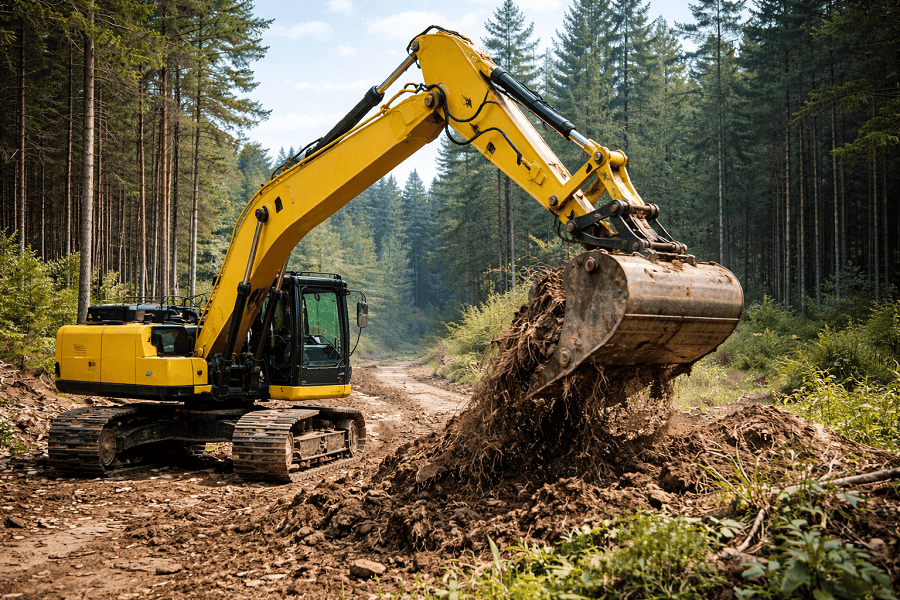
1. Crawler Excavator
Crawler excavator is an excavator with steel or rubber track which provides high stability on uneven terrain, muddy, or rocky. Tracks produce low soil pressure so crawlers are the main choice for heavy excavation and land leveling.
Feature:
- Best stability.
- High lifting strength.
- Able to work on soft ground.
Used For:
- Foundation excavation.
- Road infrastructure.
- Large scale earthmoving.
2. Wheel Excavator
Wheel excavator is an excavator with wheel system for fast mobility on hard surfaces such as asphalt and concrete. This type of excavator is often used in urban areas because it does not damage the road surface.
Feature:
- High mobility.
- Faster long distance transfers.
- Efficient in urban environments.
Used For:
- Highway project.
- Municipal utilities.
- Light industrial work.
3. Mini Excavator
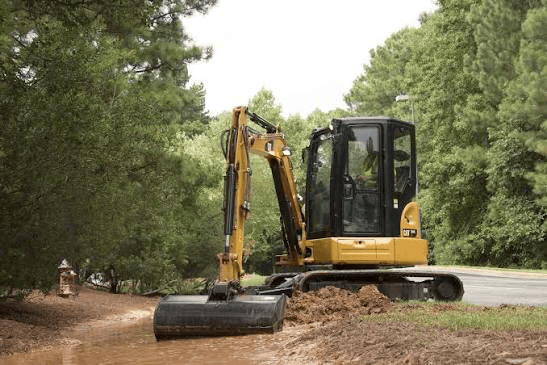
A mini excavator is a small excavator with a working weight below 6 ton. The compact dimensions allow this excavator to fit into narrow areas and locations with limited space.
Feature:
- Very high maneuverability.
- Fuel efficient.
- Ideal for precision work.
Used For:
- Housing.
- Minor duct work.
- Installation of underground utilities.
4. Standard Excavator
Standard excavators are multipurpose excavators with a capacity of 10–45 tonnes. This excavator has balanced digging capabilities, high hydraulic strength, and great attachment flexibility.
Feature:
- Strong engine power.
- Medium capacity bucket.
- Flexible for many types of projects.
Used For:
- General construction.
- Building construction.
- Infrastructure project.
5. Large / Mining Excavator
Large excavator or mining excavator is an excavator with a capacity of more than 45 tons with a very large bucket and high engine power. This excavator is used for mass excavation and mining work.
Feature:
- Large material carrying capacity.
- Structure heavy-duty.
- High efficiency for large volumes.
Used For:
- Back mines.
- Quarry.
- Overburden removal
6. Long Reach Excavator
A long reach excavator is an excavator with a long boom and arm to reach long areas horizontally and vertically. This excavator is used for work that requires extra reach.
Feature:
- Extra long reach.
- Dig deeper.
- Stable for remote work.
Used For:
- River bank dredging.
- Canal cleaning.
- Pool maintenance.
7. High-Reach Demolition Excavator
High-reach demolition excavator is an excavator with a long, double-decker boom for destroying multi-storey buildings from a safe height. This excavator replaces manual demolition methods in congested areas.
Feature:
- Very high vertical reach.
- High stability.
- Equipped with a breaker, crusher, or shear.
Used For:
- Demolition of multi-storey buildings.
- Cutting concrete structures.
- Industrial demolition.
8. Amphibious Excavator
Amphibious excavators are excavators with floating pontoons that allow them to move in shallow water, property, and wetlands. The pontoon design provides buoyancy.
Feature:
- Mobility in water.
- Stable in deep mud.
- Safe in the swamp.
Used For:
- River restoration.
- Swamp dredging.
- Trench repair.
9. Clamshell Excavator
Clamshell excavator is an excavator that uses clamshell bucket for vertical excavation. This bucket opens and closes like a clam shell.
Feature:
- High efficiency for vertical digging.
- High movement precision.
- Suitable for granular materials.
Used For:
- Deep foundation excavation.
- Well construction.
- Loading and unloading bulk materials.
10. Suction / Dredging Excavator
Suction excavator is an excavator with a suction system (suction pump) for sediment dredging, lumpur, or sand from water areas.
Feature:
- Transport soft materials efficiently.
- Long suction range.
- Suitable for shallow water areas.
Used For:
- Port dredging.
- Lake dredging.
- River restoration.
11. Forestry Excavator
Forestry excavator is an excavator designed for forestry operations, using attachments such as a forestry saw, felling head, and grapples.
Feature:
- The cabin is equipped with debris protection.
- Special wooden attachments.
- Suitable for heavy work in the forest.
Used For:
- Tree logging.
- Log transport.
- Forest land clearing.
12. Hydraulic Breaker Excavator
Hydraulic breaker excavator is an excavator that is installed with a breaker to break concrete, big stone, or hard foundation. This type is included in the "demolition function" group..
Feature:
- High impact force.
- High efficiency for crushing.
- Hit point precision.
Used For:
- Concrete breaking.
- Small quarry.
- Foundation work.
13. Excavator With Auger
Excavators with augers are used for drilling soil that requires cylindrical holes.
Feature:
- High drilling speed.
- The hole diameter can be adjusted.
- Efficient for utility work.
Used For:
- Small pile drilling.
- Fence installation.
- Drainage drilling.
14. Grapple Excavator
Excavator grapples use grapples to move large and irregular materials such as wood, scrap metal, or building debris.
Feature:
- Strong grip.
- Grapple rotation allows for precision.
- High efficiency for large materials.
Used For:
- Metal recycling.
- Wood handling.
- Cleaning of the demolition area.
15. Ripper Excavator
Excavators with rippers are used to tear hard soil, frozen surface, or thin layers of rock.
Feature:
- Strong penetration.
- Effectively damages hard soil layers.
- Suitable as an initial stage of work.
Used For:
- Tearing up frozen ground.
- Quarry work.
- Hard ground construction preparation.
How to Choose the Right Excavator
Excavator selection is determined by three main variables: soil conditions, size of work area, and volume of work.
The formula for choosing the right excavator for your needs:
- Narrow areas → mini excavator.
- Soft or rocky soil → crawler excavator.
- Long distance mobility → wheel excavator.
- Long reach → long reach excavator.
- Demolisi → high-reach + breaker/crusher.
- Mining → large/mining excavator.
- Forestry → forestry excavator.
- Water dredging → amphibious or suction excavator.
If the project requires high precision in lifting heavy materials, crawler is more optimal. If the project requires quick movement between locations, wheel excavators provide better time efficiency.
Contact PSU for Excavator Rental Needs in the Field
If you are planning a construction project, mine, forestry, or work that requires an excavator with certain specifications, You can contact the PSU to ensure availability of suitable units.
Contact PSU:
- Call Center: (021) 8242 8055
- WhatsApp: 0812 5233 3349
- Email: rent@psualatberat.com
- Website: psualatberat.com
PSU provides a choice of excavators that can be adapted to field conditions and work needs so that project operations run more effectively.