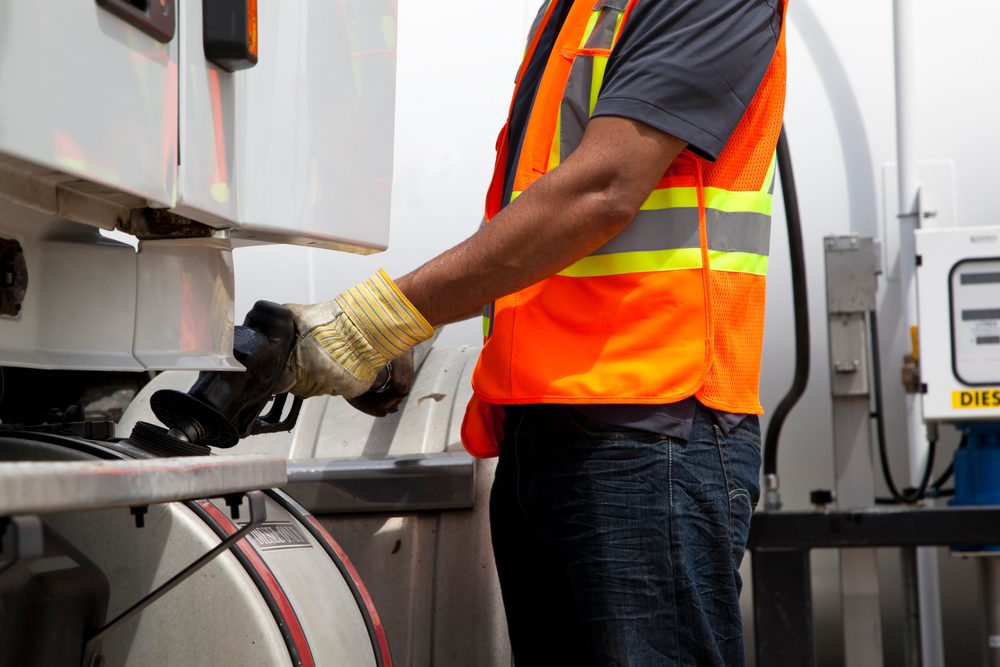
In construction projects, Cost efficiency is the main key to maintaining profit margins. One of the biggest cost components that often goes unnoticed is heavy equipment fuel consumption. Excavator, bulldozer, wheel loader, until the crane works for a long time and uses significant amounts of fuel every day. Without proper management, Fuel costs can increase and directly erode project profits.
Managing heavy equipment fuel consumption does not mean reducing work productivity. Quite the opposite, with the right strategy, heavy equipment can work more efficiently, stable, and provide optimal results for the project. This article discusses the factors that cause high fuel consumption and practical steps to manage them so that the project remains profitable.
Why Heavy Equipment Fuel Consumption Has a Great Influence on Project Costs?
In the cost structure of construction projects, fuel often occupies a large portion after labor and material costs. Intensive use of heavy equipment makes fuel consumption a daily routine expense that is difficult to avoid.
When fuel consumption is not controlled, a small difference per day can turn into a huge waste over the life of the project. Besides that, High fuel consumption is often an indicator that the tool is not working optimally, good because of the condition of the machine, how to operate, and suitability of the tool to the work being done.
Factors Affecting Heavy Equipment Fuel Consumption
There are several factors that influence heavy equipment fuel consumption that you need to know, among others:
1. Machine Condition and Equipment Maintenance
Engine condition has a direct influence on fuel efficiency. Machines that are rarely maintained, dirty filter, or lubrication that does not meet specifications will make the engine work harder. as a result, more fuel is needed to produce the same power.
Routine maintenance helps ensure all components work according to their function and maintain optimal engine performance.
2. How to Operate by Operator
Heavy equipment operating techniques greatly determines fuel consumption. Habits such as leaving the engine idling for too long, operate the tool beyond working capacity, or performing inefficient movements can significantly increase fuel usage.
Trained and disciplined operators are able to optimize engine power without wasting fuel.
3. Terrain Conditions and Work Environment
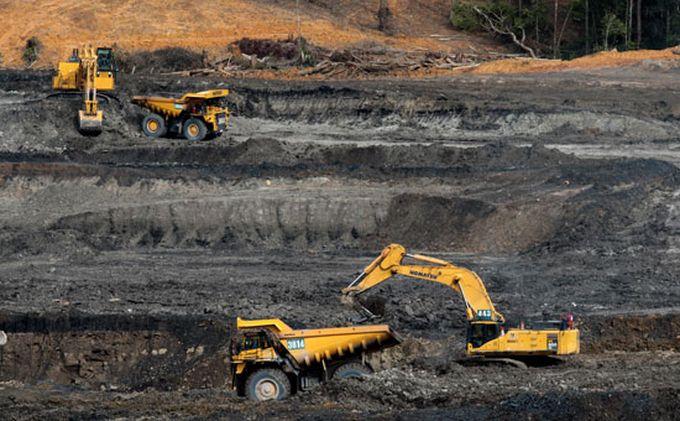
Heavy field of work, muddy, or having lots of inclines means the machine requires extra power. Besides that, Extreme weather conditions such as overheating can also affect engine performance and fuel consumption.
Good work planning and selecting tools that suit field conditions play an important role in reducing fuel consumption.
4. Types and Specifications of Heavy Equipment
Using tools with capacities that do not match job requirements can cause waste. Tools that are too large for light work will consume more fuel than necessary, while a tool that is too small will work too hard and be inefficient.
Selecting the right equipment specifications helps achieve a balance between productivity and fuel efficiency.
Read Also: How much heavy equipment fuel consumption per hour? This is the complete table!
How to Manage Heavy Equipment Fuel Consumption to Be More Efficient
After knowing several factors above, Of course, it is very important to manage heavy equipment fuel consumption so that the project does not swell.
1. Apply P2H and Periodic Maintenance
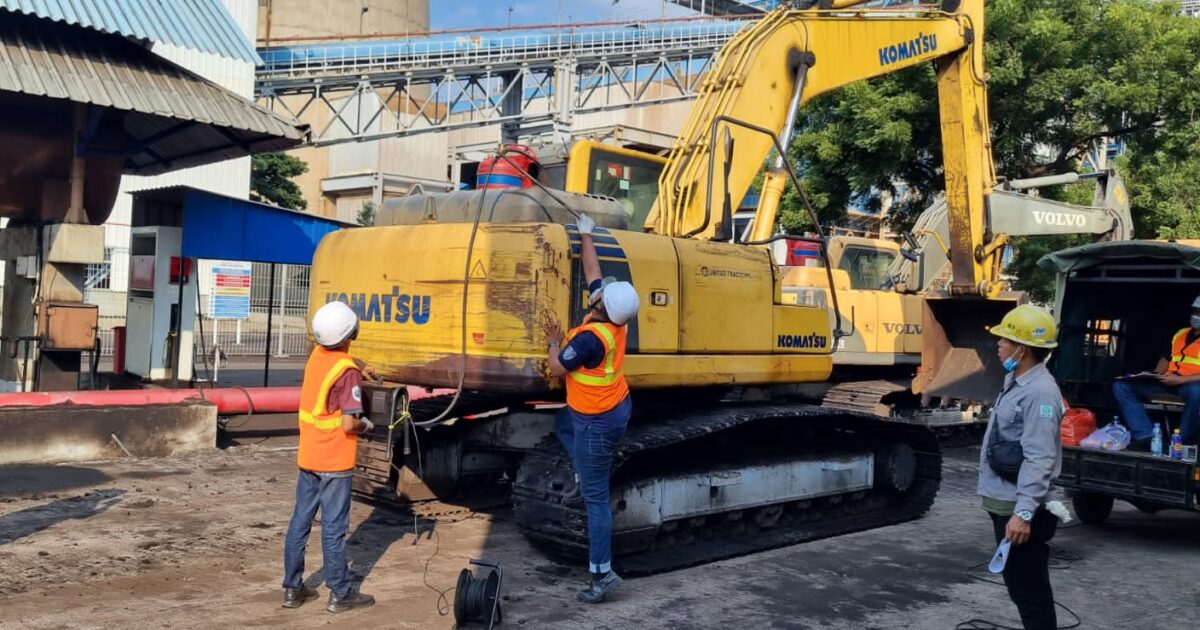
Daily Check of Tools (P2H) is a basic but very important step in managing fuel consumption. By regularly checking the oil, filter, cooling system, and potential leaks, Small problems can be detected early before they trigger fuel waste.
Regular maintenance according to schedule also helps maintain stable engine performance throughout the operational period.
2. Improve Operator Competency
Operators have a big role in fuel efficiency. Training on operating techniques which is fuel efficient, understanding of tool workloads, and discipline in turning off the machine when not in use can have a significant impact on savings.
Investments in operator competency often provide greater returns than simply replacing equipment.
3. Set Operating Hours and Tool Workload
Setting a good heavy equipment work schedule helps prevent overworking and excessive idle time. Equipment that works according to planned capacity and time will produce optimal output with more controlled fuel consumption.
Regularly evaluating equipment operating hours helps ensure efficiency is maintained throughout the project.
4. Take Advantage of Monitoring Technology
The use of technology such as GPS tracking and telematics system allows real-time monitoring of fuel consumption. The data obtained can be used to analyze usage patterns, identify waste, and make data-based decisions.
With proper monitoring, Fleet management can control fuel consumption more accurately and transparently.
PSU, Well Maintained Heavy Equipment Solutions for More Efficient Projects
The use of heavy equipment that is well maintained and meets project needs is an important factor in reducing fuel consumption. PT Perkasa Sarana Utama (PSU) ensure that every unit of heavy equipment used has gone through a routine maintenance process and thorough inspection, so that engine performance remains optimal and fuel consumption is more controlled.
If you need heavy equipment with a certified operator, You can trust PSU by contacting us via :
- WhatsApp: 0812-5233-3349
- Email: rent@psualatberat.com
- Website: psualatberat.com
With excellent equipment condition, projects can run more smoothly without wasting unnecessary operational costs.