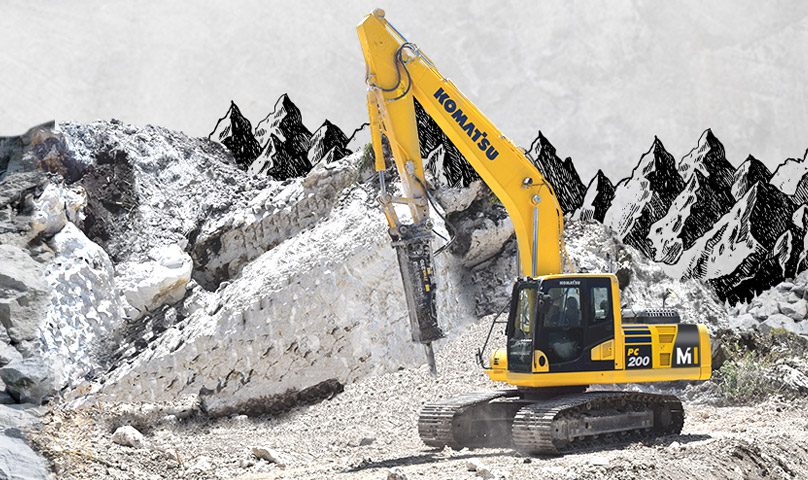

Excavators are important heavy equipment in the construction industry, used in a variety of projects that require digging and material moving capabilities. For beginners who want to rent an excavator, It's important to understand the types of excavators available and their respective uses to ensure a choice that fits the project's needs. The following is a complete guide to various types of excavators and tips for renting them.
This article will discuss the types of excavators that are commonly used as well as tips for renting this heavy equipment.
1. Crawler Excavator (Chain)

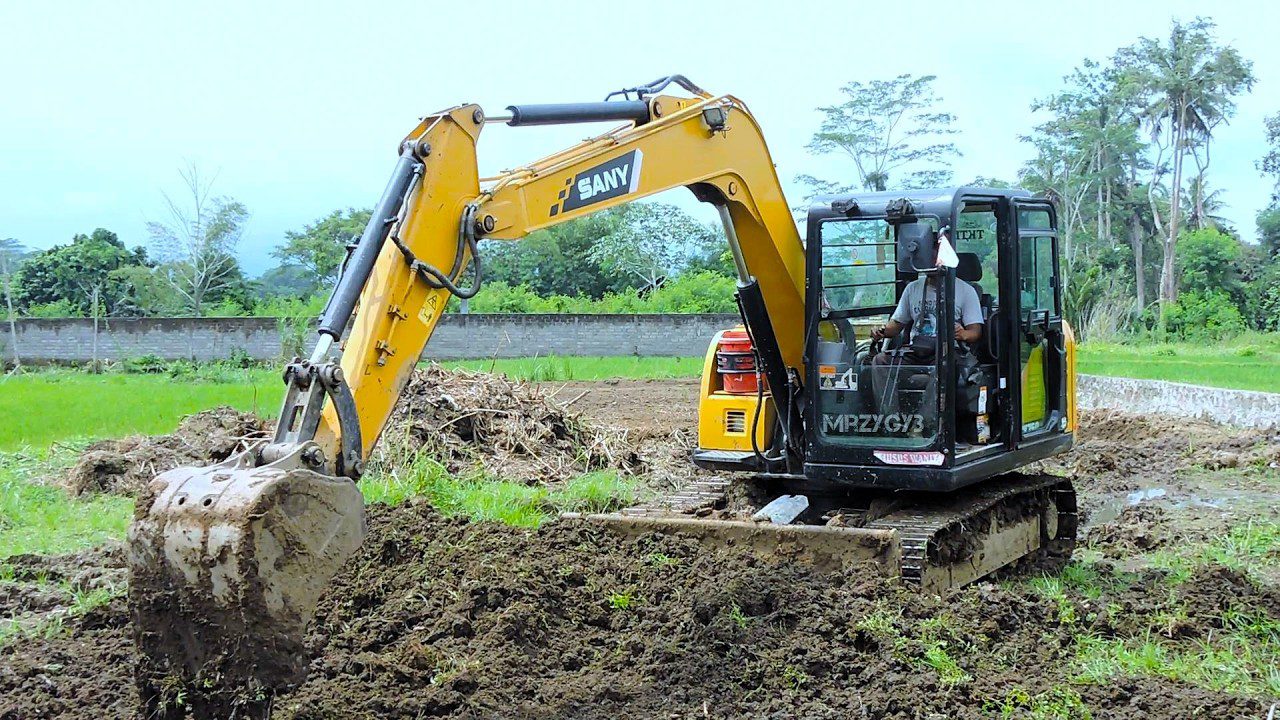
Crawler excavators are the most common type of excavator known for their durability in various terrain conditions, especially rough terrain such as rocky or muddy ground. This tool uses chain tracks which provide better stability than wheels. Crawler excavator usually used in earth excavation projects, building construction, and infrastructure work. Because of his strength, This type is very suitable for projects that require extra grip and high stability.
Main Uses:
- Work on rough or uneven terrain
- Earth excavation and heavy material transfer
- Large construction and infrastructure projects
2. Excavator Wheeled (Wheeled)

Different from crawlers, Wheeled excavators are equipped with rubber wheels that allow them to move faster on hard surfaces such as asphalt or concrete. This excavator is ideal for projects in urban areas or locations that have good road access. The main advantage of wheeled excavators is their high mobility, allowing it to move between locations without damaging the road surface.
Main Uses:
- Projects in urban areas or highways
- Light excavation and landscaping work
- Jobs that require high mobility
Read Also: How to Operate Excavator Heavy Equipment Correctly & Easy
3. Mini Excavator

Mini excavator is a smaller version of a standard excavator, suitable for projects with limited space or that require light tools. With its compact size, the tool is easy to transport and ideal for work in residential areas, such as digging channels or light foundations.
Main Uses:
- Residential areas or projects that require light equipment
- Small projects and excavations in tight spaces
- Landscaping and other light work
4. Long Reach Excavator

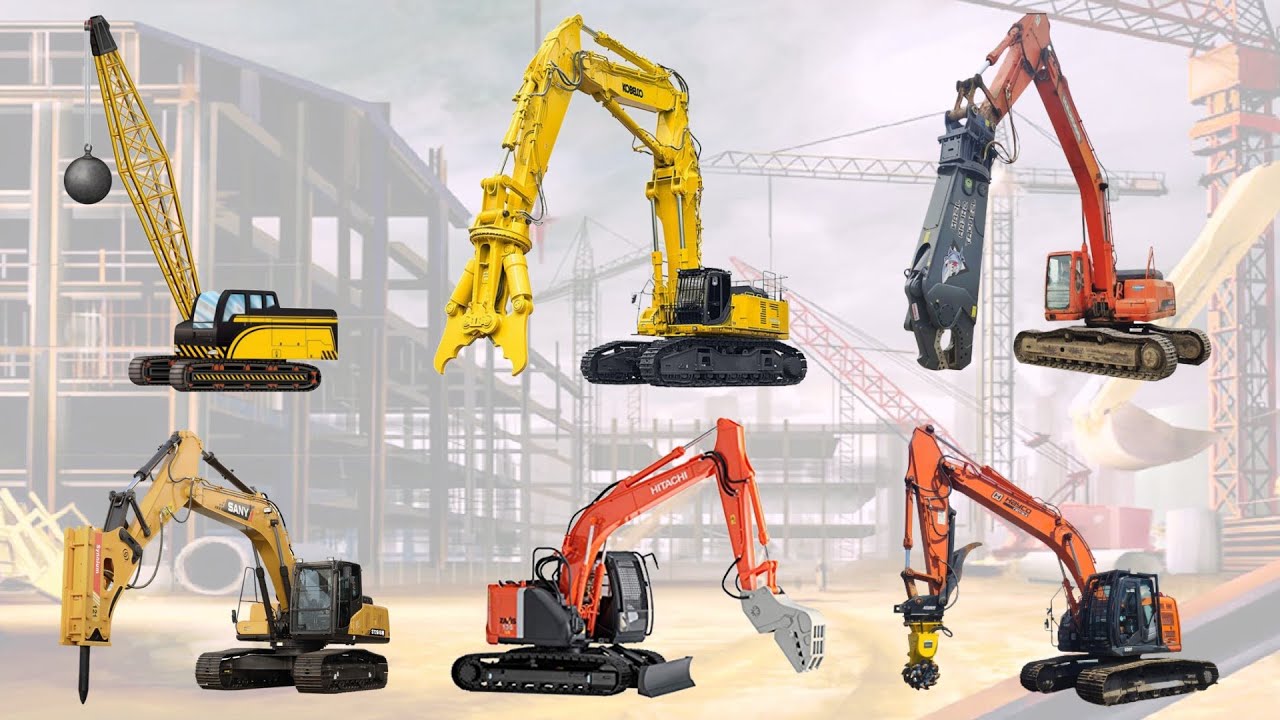
Long reach excavator has a longer arm than a regular excavator, allows access to hard-to-reach areas. This type is often used in projects that require extra reach, such as excavation on river banks or demolition of tall buildings.
Main Uses:
- Demolition of tall buildings from a safe distance
- Work in hard to reach areas
- River excavation, sea, or water base
Read Also: 11 Excavator Components and Their Functions, This is the Main Part!
5. Dragline Excavator

Dragline excavators are large heavy equipment used in large-scale excavation work, such as open pit mining or large dredging. Use the cable to pull the digging bucket, they are effective for large projects but are less common in standard construction due to their size and high operational costs.
Main Uses:
- Large scale projects that require high lifting capacity
- Open pit excavation
- Massive dredging
6. Hydraulic Shovel Excavator
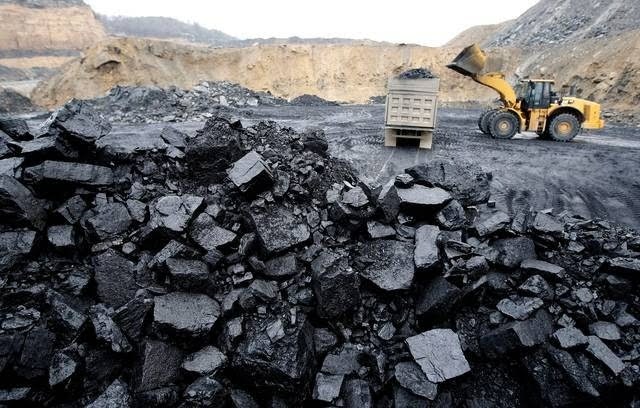
Hydraulic shovel excavators or power shovels have a large bucket capacity that allows digging and moving heavy materials on a large scale. This type is widely used in large mining and construction industries because of its extraordinary strength.
Main Uses:
- Mining and excavation of large materials
- Large scale construction projects
- Handling materials such as stone, mineral, and coal
7. Suction Excavator
Suction excavators work by using air pressure or vacuum to dig and remove material from the ground. Different from conventional excavators, This tool uses a suction pipe and does not damage underground infrastructure, making it ideal for sensitive projects such as cable networks or underground pipes.
Main Uses:
- Projects in vulnerable or difficult to access areas
- Excavation around underground cables or pipes
- Work in areas with risk of infrastructure damage
8. Skid Steer Excavator
Skid steer excavators are very versatile small tools that are suitable for use in tight areas. With rubber wheels, Skid steers can be maneuvered quickly and are usually equipped with additional accessories such as forks or concrete cutters, making it flexible for various types of work.
Main Uses:
- Cleaning debris or material in tight areas
- Landscaping work or other small projects
- Limited space with high mobility requirements
Read Also: This is it 7 The Largest Excavator in the World, The capacity is fantastic!
Excavator Rental Tips for Beginners
For beginners who want rent an excavator, here are some important tips:
- Identify Project Needs: Determine the type of work to be carried out to choose the appropriate excavator.
- Consider Location and Terrain: Choose an excavator that suits the terrain conditions, whether on wheels or using chains.
- Consult the Rental Provider: Heavy equipment providers can provide the best advice on excavator choices based on your project.
- Pay Attention to the Budget: Adjust the type of excavator to be rented to the available project budget.
Conclusion
Choosing the right excavator can make construction projects run more efficiently and save time and money. Each type of excavator has its own advantages and disadvantages, so make sure you consider the specific needs of the project and site conditions before choosing.
Need a reliable excavator? Rent from PT Perkasa Sarana Utama (PSU) Now! We provide excavators with the best performance and competitive prices. Contact us to get further information and consultation on excavator options that suit your project needs!