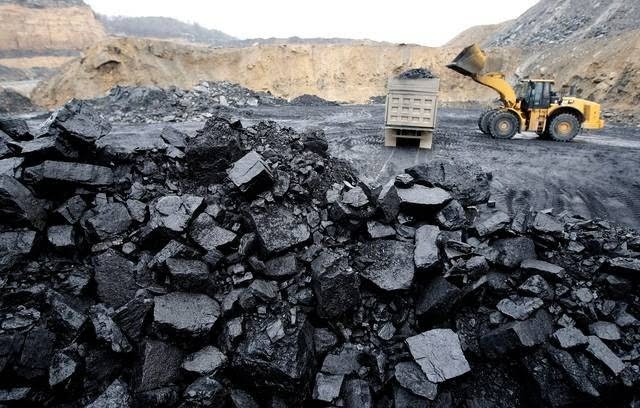
The use of coal in the energy sector still has an important role for Indonesia, especially as fuel for electricity generation and energy sources for a number of industrial activities. This position is supported by the large amount of domestic coal resources and production as well as the existence of developed generating infrastructure.
Ministry of Energy and Mineral Resources (EMR) noted that Indonesia's coal production reached approx 836 million tonnes on 2024, which is one of the highest production achievements in recent years. On 2025, The government targets production of 739 million tons.
On the other hand, The direction of Indonesia's energy policy is also starting to change. The government continues to increase the use of new and renewable energy (EBT) and targeting a lower emissions electricity system. In RUPTL 2025–2034, PLN plans additional generating capacity of 69,5 GW, with 76% comes from EBT and energy storage systems. Meanwhile, the additional coal-fired generating capacity in the plan is approx 6,3 GW.
It means, Coal is still used in Indonesia's energy system, but its use goes hand in hand with the process of diversification and transition towards lower emission energy sources.
What are the uses of coal in the energy sector?
The use of coal is not only limited to fuel for electricity generation. This commodity can also be used as a source of energy and raw materials in various industrial processes.
The following are several uses of coal that are still being developed in Indonesia.
1. Steam Power Plant Fuel
One of the most well-known uses of coal is as fuel for Steam Power Plants (PLTU).
At the PLTU, coal is burned to produce heat. This heat is used to convert water into pressurized steam which then drives turbines and generators to produce electricity.
The existence of coal-based plants means that this commodity is still an important part of Indonesia's electricity system. The electricity produced is then used to meet household needs as well as economic and industrial activities.
However, The direction of development of the national electricity system is starting to provide a larger portion to NRE. RUPTL 2025–2034 stipulates additional NRE generating capacity and energy storage of 52,9 GW or approx 76% of the total additional planned generating capacity.
2. Supporting Industrial Energy Needs
Coal is also related to industrial energy needs, especially industries that require large amounts of energy supplies.
The Ministry of Energy and Mineral Resources said that electricity from coal-fired plants is used to support various domestic industrial sectors, including cement, paper, textile, and mineral refining facilities or smelters.
This need means that the use of coal is not only related to the mining sector. The chain of use is also connected to manufacturing activities and the processing industry.
3. Energy Downstream Raw Materials
The use of coal is also starting to be directed towards downstream processes. The aim is to process coal into products that have higher added value than selling it as a raw commodity.
Several forms of downstreaming that have been developed include coal gasification, coke making, improving coal quality, briquettes, coal liquefaction, as well as the production of derivative products such as DME, methanol, and syngas.
By downstreaming, Coal is not only positioned as fuel, but also as raw materials to produce energy and industrial products.
4. Production of Dimethyl Ether or DME
One form of downstreaming that is widely discussed is processing coal into Dimethyl Ether (DME).
DME can be used as an alternative fuel to replace some of the use of LPG. The government developed this scheme as an effort to reduce dependence on LPG imports and increase the use of low-calorie coal domestically.
The development of DME also shows that coal utilization does not always have to be done through direct combustion. With certain technology, Coal can be processed into derivative products that have different functions.
5. Gasification of Coal to Methanol
Apart from DME, Coal gasification into methanol is also one of the directions for downstream development.
In August 2026, The Ministry of Energy and Mineral Resources inaugurated the coal gasification project into methanol in the Batuta Chemical Industrial Park area, East Kutai, East Kalimantan. The project is targeted to produce approx 2 million tons of methanol per year and has the potential to save foreign exchange of up to IDR 7.1 trillion per year.
Methanol itself can be used as a raw material for various industries. The development of this project is an example of how low-calorie coal is directed to produce products with higher added value.
The Role of Coal for Indonesia's Energy Security
Coal has several strategic roles in the energy system and Indonesian economy.
Becoming One of the Sources of Domestic Energy
Indonesia has large coal resources and reserves. On 2025, ESDM says Indonesia's coal resources reach approx 97,96 billion tons, while the reserves are approx 31,9 billion tons.
The availability of domestic resources is one of the factors that keeps coal used in the national energy system.
However, The size of a resource does not mean its use has no limits. Production management, domestic needs, export, environmental aspects, and energy transition policies remain part of the management of these commodities.
Supporting Electricity Supply
Coal-fired power plants have become part of Indonesia's electricity infrastructure. Because of that, changing from a coal-based generating system to a lower emission energy system requires considering the readiness of replacement generators, power grid, energy storage, and growth in electricity demand.
RUPTL 2025–2034 shows this direction by placing additional NRE capacity and energy storage in large portions, while additional coal plants are planned to be more limited.
Supporting Energy Based Industries
A stable energy supply is needed by various industries with high electricity consumption. Because of that, The existence of energy plants and infrastructure is also related to the sustainability of industrial activities.
Sectors such as cement, paper, textile, and smelters are among the industries referred to by ESDM as users of electricity from coal-fired plants.
The Role of Coal in State Revenue
Apart from being an energy commodity, Coal also contributes to state revenue through mining activities.
On 2025, Realization of PNBP in the mineral and coal subsector reached IDR 130.17 trillion. ESDM said the revenue came from coal mining, especially royalties and sales of mining products, is still the largest contributor to PNBP in the mineral and coal subsector in the last five years.
This contribution shows that coal mining activities are related to the state fiscal.
The large contribution also makes managing the coal sector an important part of mining policy, including production arrangements, state revenue, company obligations, and domestic use.
The Role of Coal in the Regional Economy
Coal mining activities are concentrated in a number of areas that have large resources, especially in Sumatra and Kalimantan.
Activity Mining can be useful for daily life needs such as labor, transportation, supporting services, logistics, provision of heavy equipment, to various other supporting services.
Thus, The economic impact of coal does not only come from mining activities. There is an economic chain involving various sectors before the coal reaches the end user.
Nevertheless, These economic benefits need to be followed by environmental management and mine reclamation in accordance with applicable regulations.
Coal and Energy Downstreaming in Indonesia
Downstreaming is one of the approaches used by the government to increase the added value of coal in the country.
If coal is only sold as a commodity, Its economic value comes mainly from production and trade activities. Meanwhile through downstreaming, Coal can be processed into other products that have different functions and added value.
Some products developed through downstreaming include::
- Dimethyl Ether (DME) as an alternative to LPG.
- Methanol as an industrial raw material.
- Syngas from the gasification process.
- Coke for certain industrial needs.
- Coal briquettes.
- Products resulting from coal upgrading.
- Another derivative product from the coal processing process.
ESDM calls gasification, coke making, coal liquefaction, quality improvement, briquettes, and coal slurry/coal water mixture as several coal downstream schemes being developed.
Coal in the Energy Transition Period
The debate on coal cannot be separated from energy transition. Indonesia has set a course towards a lower emission energy system, including the Net Zero Emissions target on 2060.
In that context, The use of coal will gradually face changes as EBT capacity and supporting technology increases.
RUPTL 2025–2034 provides an overview of this direction. Of the total additional generating capacity 69,5 GW, around 52,9 GW comes from EBT and energy storage systems. Additional coal capacity is planned at approx 6,3 GW.
It means, the discussion about the future of coal is not just about stopping or continuing its use, but also how energy systems can adapt to the increasing use of lower emission energy sources.
Read too : 8 Important Stages of the Coal Processing Process, From Pit to Port
Challenges of Coal Utilization
Even though it has an important role, Coal utilization also faces a number of challenges.
Emissions from Combustion
Burning coal produces greenhouse gas emissions and air pollutants. This factor is one of the reasons why the global energy system is moving towards using energy sources with lower emissions.
Indonesia also faces the need to balance energy reliability with emissions reduction targets.
Dependence on Coal Infrastructure
Indonesia already has many coal-related power plants and infrastructure. The change to renewable energy requires the construction of new plants, transmission network, storage system, as well as adjustments to the electrical system.
Because of that, The energy transition requires long-term planning so that electricity supply can continue to meet the needs of society and industry.
Commodity Price Fluctuations
Coal is a commodity that is influenced by global market conditions. Changes in price and demand can affect company revenues and state revenues.
ESDM noted that although coal commodity prices faced challenges in 2025, PNBP in the mineral and coal subsector remained at IDR 130.17 trillion.
Environmental Management
Mining activities require good environmental management, including reclamation and post-mining. This is an important part of ensuring that ex-mining areas can be handled in accordance with applicable regulations.
Read too : 10 Largest Coal Producing Country in the World, Indonesia is on the list?
The Future of Coal Utilization in Indonesia
The future of coal in Indonesia is likely to be influenced by two directions running together.
On one side, Coal is still used as part of the energy system and has a large contribution to state revenue and economic activity. On the other hand, The government increases NRE capacity and encourages technology and downstreaming to produce greater added value.
Because of that, Future use of coal is not only related to increasing production. Development of processing technology, efficiency, emission control, utilization of low calorie coal, and downstreaming is part of its development direction.
The coal gasification project into methanol in East Kutai is targeted to produce 2 million tons of methanol per year is one example of recent developments in this direction.
Need Heavy Equipment for the Mining and Coal Industry? Contact PSU Now!
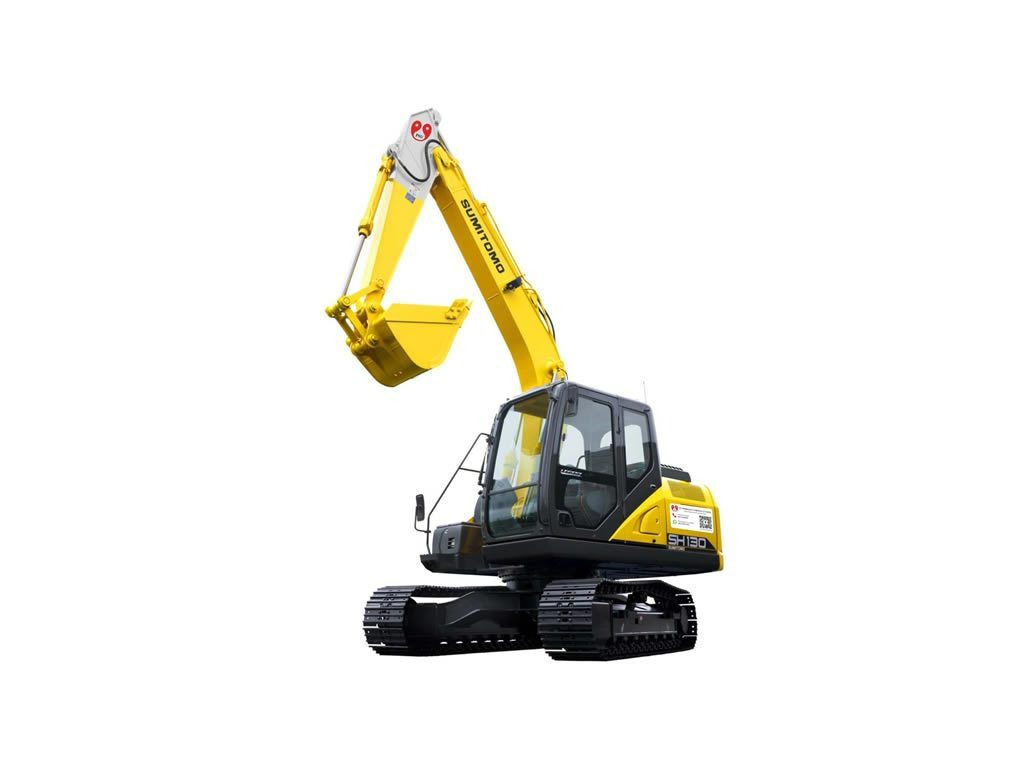
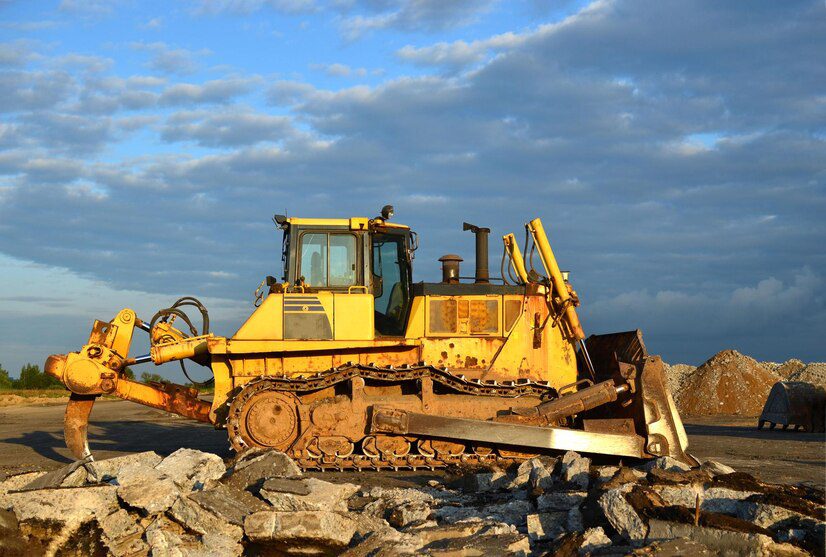
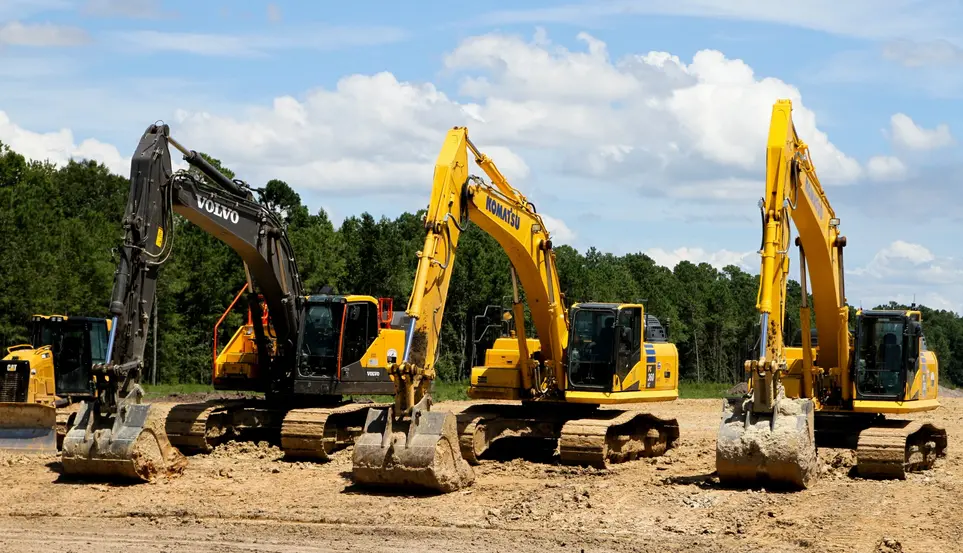
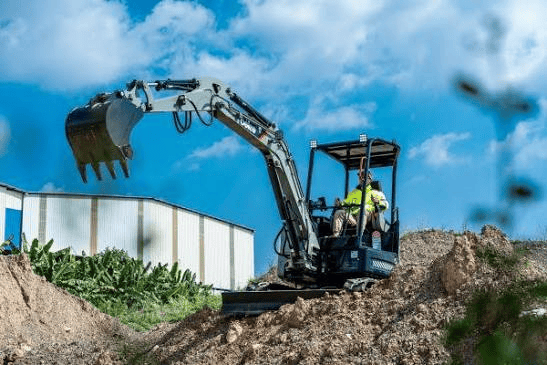
Mining and coal industry activities require heavy equipment support for various jobs, starting from land clearing, excavation, material transfer, transportation, leveling the mine area, to other supporting work.
If you need heavy equipment to support the operations of a mining or coal industry project, PT Perkasa Sarana Utama (PSU) provides a variety of unit options that can be adapted to work needs and field conditions.
Quick contact the PT Perkasa Sarana Utama team right now to consult about heavy equipment needs, get the best offer, and check unit availability this week.
- WhatsApp: 0812-5233-3349
- Email: rent@psualatberat.com
- Website: psualatberat.com
Reference Source
- Ministry of Energy and Mineral Resources – Coal Commodity Plays an Important Role for National Economic Growth
- Ministry of Energy and Mineral Resources – Ministry of Energy and Mineral Resources Performance Report 2025
- Ministry of Energy and Mineral Resources – Speed of Downstreaming, Ministry of Energy and Mineral Resources Will Build Oil Refinery and Coal Gasification
- Ministry of Energy and Mineral Resources – Open Downstream Road in East Kutai, Deputy Minister of Energy and Mineral Resources Inaugurates Coal Gasification Project
- PLN – RUPTL 2025–2034