Coal is still one of the most important energy sources in the world, including in Indonesia. The benefits of coal are actually quite close to people's daily lives. Starting from the electricity used at home, industrial raw materials, to help support economic activity and infrastructure development, all of them still have ties to coal.
According to data from the Ministry of Energy and Mineral Resources (EMR), Coal is still one of the backbones of Indonesia's national electricity supply. In fact, most power plants in Indonesia still use coal as the main energy source because it is capable of producing large amounts of electricity in a stable manner.
On the other hand, some people don't understand clearly:
- apa manfaat batu bara dalam kehidupan sehari-hari,
- coal is used for anything,
- why industry still uses coal,
This article will discuss everything in more depth and can be a reference for your reading about coal.
Apa Manfaat Batu Bara dalam Kehidupan Sehari-hari?
As mentioned at the beginning of the article, One of the main benefits and the one closest to people's daily lives is electricity produced by PLTU.
Coal is the main source of electricity in Indonesia
Coal is still the main fuel for steam power plants (PLTU) in Indonesia.
In the process, coal will be burned to produce heat. The resulting heat from coal will be used to convert water into high pressure and temperature steam. This steam is then able to spin a turbine connected to a generator so that it can produce electricity.
This is more or less the process:
Coal → heat → steam from water → turbine → electricity
Electricity from coal plants is used in almost all community activities such as:
- penerangan rumah,
- air conditioner,
- hospital,
- school,
- data center,
- manufacturing industry,
- shopping center,
- to certain transportation operations.
Coal is still the main source of electricity generation in various developing countries because:
- electricity production costs are relatively stable,
- large energy supply,
- able to operate 24 jam,
- and suitable as baseload power.
Term baseload power This means that the generator can supply electricity continuously without depending on weather conditions, such as solar or wind power.
Because the need for electricity is very large and must be stable, Coal is still used to maintain the stability of the national electricity grid.
This discussion is then directly related to industrial needs. When electricity is stably available, various production sectors can run without interruption.
Coal Supports Industry and Production of Daily Goods
Many people are not aware that various products used daily are actually produced with the help of energy from coal.
Cement Industry
The cement industry requires very high combustion temperatures to produce clinker. The required temperature can reach more than 1,400°C.
Coal is used because:
- produces high heat,
- the combustion is stable,
- and more economical for mass production.
It means, starting from building a house, building, road, bridge, harbor, and industrial areas, indirectly has a relationship with coal.
Steel and Metal Industry
Coal types coking coal used in the process of smelting iron ore in a blast furnace (blast furnace). The steel produced is used for:
- vehicle,
- heavy equipment,
- rail,
- building construction,
- household appliance,
- to mining infrastructure.
No coal, the large-scale steel production process will be much more difficult and expensive.
Paper Industry, Ceramics, and Textiles
Many manufacturing industries require large amounts of heat energy for:
- drying,
- combustion,
- heating boilers,
- and other production processes.
Because of that, Coal is still used as an energy source for heavy industry in various developing countries.
Coal can be processed into anything?
In addition to being used as fuel, Coal can also be processed into various derivative products which are used in many industrial sectors.
Activated Carbon
Bituminous or anthracite coal is the main raw material for making high quality activated carbon because it has excellent density and pore structure..
Activated carbon from coal is used for:
- filter / mass water purification,
- air filter,
- waste treatment,
- food industry,
- to pharmacy.
Coal Gasification
Coal can be converted into synthetic gas (syngas / CO Dan H2) through the gasification process.
This gas can be used for:
- industrial fuel,
- power plants,
- chemical raw materials,
- up to certain LPG substitutions.
This is one of the Indonesian government's strategic programs, converting low calorie coal into DME (Dimethyl Ether) to reduce LPG imports.
Chemical and Fertilizer Industry
Through an advanced gasification process, Coal can be processed into methanol, ammonia, and urea. Ammonia and urea are the main raw materials for nitrogen fertilizer.
Several coal-derived chemical products are used in:
- fertilizer,
- industrial solvents,
- synthetic material,
- to manufactured chemical products.
Because of that, Coal does not only function as an energy source, but also as industrial raw materials.
Why Industry Still Uses Coal?
This question comes up quite often, especially when renewable energy begins to develop. The answer is because coal is able to produce stable energy and some industries require very high heat sources.
The following is the explanation.
Coal is Able to Produce Stable Energy
Industrial energy requires a large and consistent supply. The problem, some renewable energies are still affected:
- weather,
- solar intensity,
- wind velocity,
- or certain geographic conditions.
Meanwhile coal:
- easy to store,
- can be used at any time,
- and is able to produce large amounts of energy continuously.
That's why coal is still used as the main support for the energy system in many countries.
Heavy Industry Requires Very High Temperatures
Some industrial processes require extreme heat that is stable for hours. For example:
- cement production,
- metal melting,
- large industrial boilers.
Coal is still considered efficient for these needs because of its high calorific value.
The Positive Impact of Coal on the Economy and Development
Apart from the technical benefits, Coal also has a major economic impact.
Opening a Job
The coal industry involves a lot of labor such as:
- mining heavy equipment operator,
- heavy equipment mechanic,
- mine engineer,
- surveyor,
- to logistics personnel.
This economic activity does not only stop in mining areas, but also continues on:
- workshop,
- supplier sparepart,
- harbor,
- contractor,
- heavy equipment rental company.
Encouraging Regional Development
Mining areas usually experience increased economic activity because of this:
- construction of hauling roads,
- harbor,
- heavy equipment workshop,
- industry,
- and other supporting facilities.
According to data from the Central Statistics Agency (BPS), The mining and quarrying sector is an important contributor to the economy of several regions in Indonesia.
Relationship between Coal and Heavy Mining Equipment
In mining practice, Coal production cannot be separated from use heavy equipment for mining.
Almost all stages of mining work require heavy equipment with large capacities
.
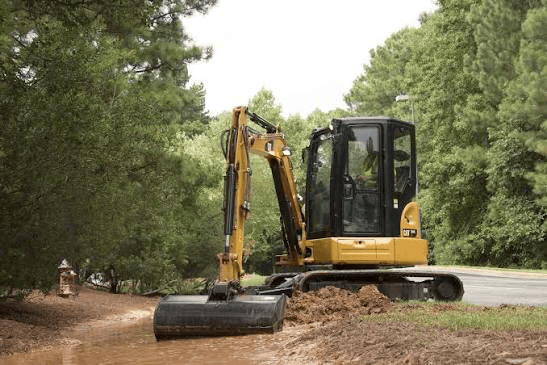
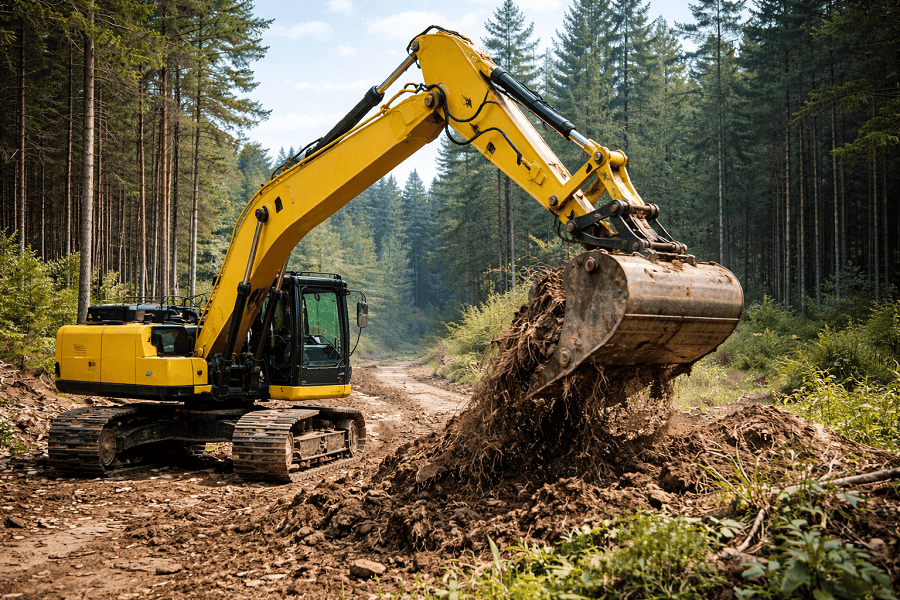
Excavator for Excavating Material
Excavator used for:
- dig overburden,
- take coal,
- loading materials into dump trucks.
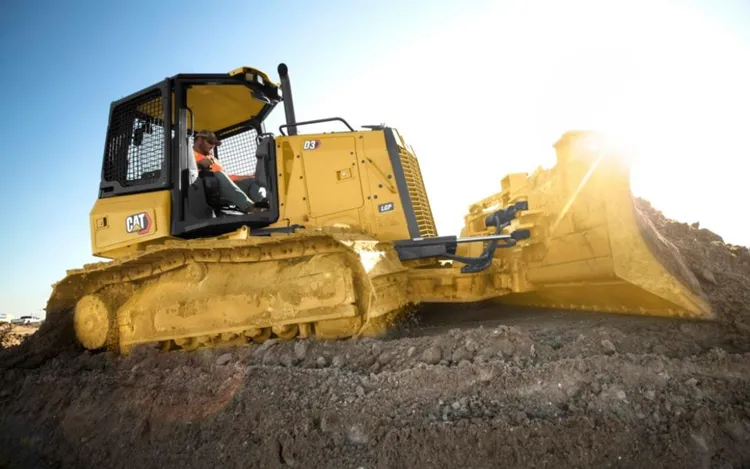
Bulldozer for Clearing and Leveling Areas
Bulldozer used for:
- land clearing,
- make a mine road,
- leveling the disposal area,
- assist with hauling area maintenance.
Dump Truck for Coal Hauling
Dump truck works to transport:
- coal,
- overburden,
- mining materials,
- production result.
In large scale mines, dump trucks can work almost 24 hours to maintain production targets.
Wheel Loader untuk Stockpile
Wheel loader usually used for:
- move materials,
- loading stockpile,
- assisting the coal blending process.
Will Coal Still Be Used in the Future?
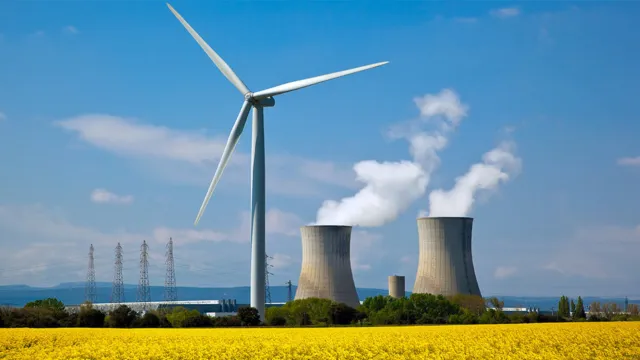
Although renewable energy is developing rapidly, It is estimated that coal will still be used in the next few decades, especially for heavy industry, certain power plants, and the energy needs of developing countries.
But the direction the industry is starting to change is heading:
- energy efficiency,
- clean coal technology,
- emission reduction,
- and biomass co-firing.
Many research results that can be accessed online show that many countries are currently in an energy transition phase, not an instant cessation of energy. It means, Coal still has an important role while other energy technologies continue to develop.
Conclusion
Coal is not just a mining product, but an important part of modern energy and industrial systems. The benefits of coal in everyday life can be seen from the electricity used by people, industrial operations, infrastructure development, to the economic activities of mining areas.
Apart from being the main energy source, Coal also has a close relationship with the use of heavy mining equipment such as excavators, bulldozer, dump truck, dan wheel loader.
Even though the world is starting to move towards renewable energy, Coal still has an important role in maintaining energy stability and supporting the needs of heavy industry.
FAQ Regarding the Benefits of Coal
Is coal only used for electricity?
No. Coal is also used in the cement industry, baja, chemistry, fertilizer, to activated carbon processing and gasification.
Why coal is still used today?
Because coal is able to produce large amounts of energy in a stable and efficient manner for various heavy industrial needs.
What is the positive impact of coal on the economy?
Coal helps create jobs, increase industrial activity, support infrastructure development, and generate national income.
Is coal still relevant in the future?
Of, especially for industries that require large amounts of energy and high temperatures. However, its use is starting to be directed towards more efficient and low-emission technology.