
In the world of construction, Heavy equipment is the backbone of accelerating work. However, no matter how sophisticated the tools used are, Project success remains highly dependent on operator skills. According to OSHA data (Occupational Safety and Health Administration), Human Error contributes more than 20% work accidents in the construction sector. This shows how important the operator's role is in maintaining the smoothness and safety of the project.
Sadly, There are still many mistakes that are often made by heavy equipment operators in the field, either due to lack of experience, in a hurry, or not complying with procedures. These mistakes can have fatal consequences, starting from unit damage, increased repair costs, project delays, to job security threats.
This article will discuss the most common heavy equipment operator errors, impact on the project, as well as preventative solutions so that risks can be minimized.
1. Not Complying with SOP and Safety Regulation
One of the most basic mistakes is ignoring standard operational procedures (SOP) and safety rules. For example, the operator does not use personal protective equipment (APD), instantly shuts down the engine without idle time, or even ignore the operation manual. If ignored, small things like this can shorten the life of the machine and increase the risk of accidents in the field.
2. Operating Tools Beyond Capacity
Another mistake that is often found is forcing the tool to work beyond its limits. For example, overloading (impose a load exceeding capacity), use the tool in unstable terrain, or choose the wrong working mode. This practice not only endangers operators, but it can also damage important components such as hydraulics, gearbox, to the skeletal system.
3. Default Performs Daily Checks
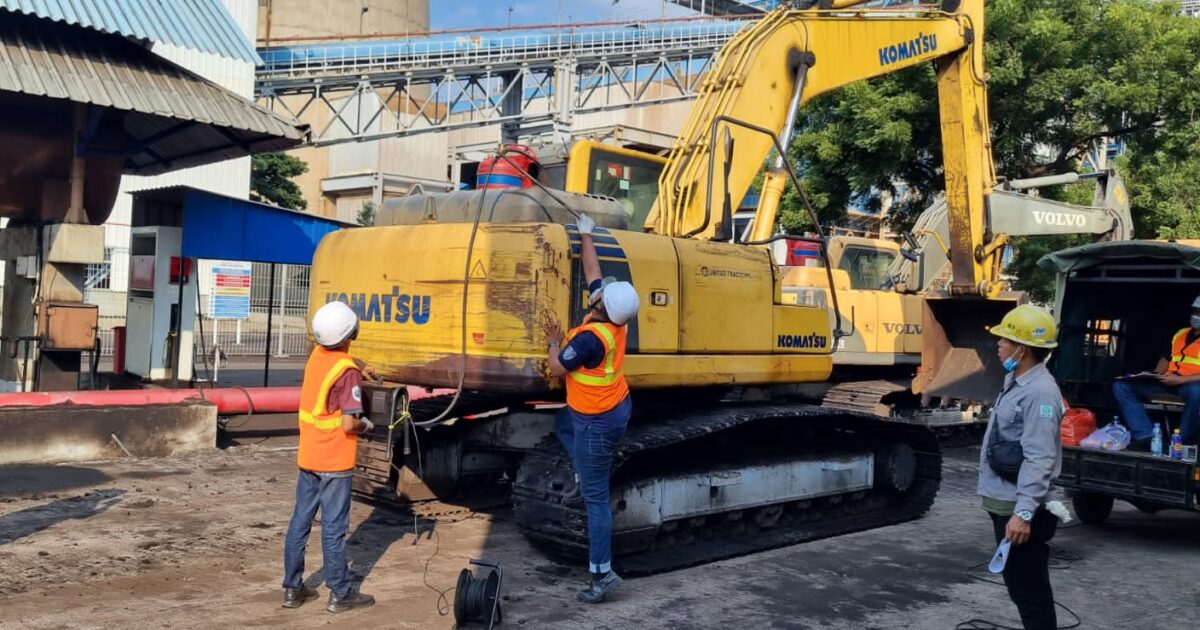
Before heavy equipment is operated, the operator should do routine daily checks (P2H) like oil, filter, hydraulic pressure, as well as the condition of the tires or track. However, many operators skip this important stage. as a result, Small damage that is not detected early can develop into a major problem that triggers downtime and high repair costs.
4. Lack of Skills and Not Following Training
Operators who are inexperienced and not officially certified SIO (Operator's License) prone to technical errors, for example switching from forward to reverse movement at high speed, sudden braking, or don't understand the latest technology features on modern units. Without regular training, operators will have difficulty optimizing the tool according to its function, it could even endanger other workers nearby.
5. Human Error in Field Communication
Communication errors often occur in the field, especially when the operator does not coordinate with other workers such as riggers or spotters. This situation can trigger material placement errors, collision, to serious accidents. Whereas, clear and consistent communication is key in large-scale project work.
6. Misuse and Mistreatment
It is not uncommon for heavy equipment to be used not according to its function. For example, excavators are forced to lift materials that should be handled by cranes. Besides that, there are also operators or project teams who postpone routine maintenance, even using cheap spare parts whose quality is not guaranteed. This practice may appear to save costs, However, it will actually cause greater losses in the long term.
7. Ignoring Soft Skills and Safety Aspects
Apart from technical abilities, Operators also need soft skills such as patience, caution, and the ability to work together. Sadly, not all operators pay attention to this. Careless or rushed operators often ignore safe work procedures, thereby increasing the risk of accidents that could have been prevented.
Impact of Operator Errors on Projects
Then from the mistakes above, whether there is any impact on the project? Of, of course there is. Some of the impacts include::
1. Downtime and Cost Losses
Every time the machine stops operating due to damage, the project automatically experiences delays. According to the Global Construction Equipment Market report (2023), downtime can increase project costs by 20–30%. This is clearly detrimental to both the contractor and the project owner.
2. Safety Threats and Work Accidents
Operator errors don't just damage tools, but also threatens the safety of workers around. Human error is one of the main factors in accidents on construction projects, starting from the fall of the material, collision, to serious injury to workers.
3. Faster Heavy Equipment Damage
Using tools beyond capacity or ignoring routine maintenance causes components to wear out quickly. The impact, tool life is reduced, maintenance costs increase, and project productivity also decreases.
4. Decreased Project Productivity
Repeated errors made by operators slow down work progress. Projects can be delayed from the set schedule, even harming the contractor's reputation in the eyes of clients and stakeholders.
How to Prevent Heavy Equipment Operator Mistakes
We cannot avoid heavy equipment operator errors, but they can be prevented as early as possible. There are several ways to prevent heavy equipment operators from making mistakes and keep projects running smoothly, see below:
- Operator Training and Certification
Providing regular training is essential to ensure operators understand the SOP, Latest technology features, as well as safe and efficient work techniques.
- Safety Briefing and Field Supervision
Briefing before work begins will reduce the risk of miscommunication. Supervision is also important so that operators remain disciplined in following the rules in the field.
- Preventive Maintenance of Heavy Equipment
Regular checks before and after use help detect problems early. Therefore, major detrimental damage can be prevented.
- Choose a Rental Provider with Professional Operators
The practical solution is to collaborate with heavy equipment rental provider which has a certified operator, experienced, and understand work safety standards.
Find Heavy Equipment Rentals with Experienced Operators? PT Perkasa Sarana Utama (PSU) The solution!
Heavy equipment operator errors can have a major impact on the smooth running of a project, starting from downtime, additional cost, to the risk of work accidents. Therefore, It is important for contractors and companies to ensure operators always follow SOPs, undergo training, as well as maintaining good communication in the field.
PT Perkasa Sarana Utama (PSU) present as a solution to heavy equipment needs as well as experienced operators. The PSU provides units that are treated periodically, certified and experienced operators, as well as mechanical support 24/7 to reduce downtime. With legal equipment such as SIO/SILO and strict implementation of K3 SOPs, PSU ensures that every project runs more safely and efficiently. So you no longer need to worry about the smooth running of the project in the field. PSU is ready to provide the best service and complete units catalog details below. With experience since 2004, PSU is ready to help your project run more smoothly, aman, and cost effective. For consultation regarding prices and rental methods, You can contact us directly via WhatsApp 0812-5233-3349 for quick response, or fill in the form on the official PSU website, and get the best heavy equipment rental solution for your project.