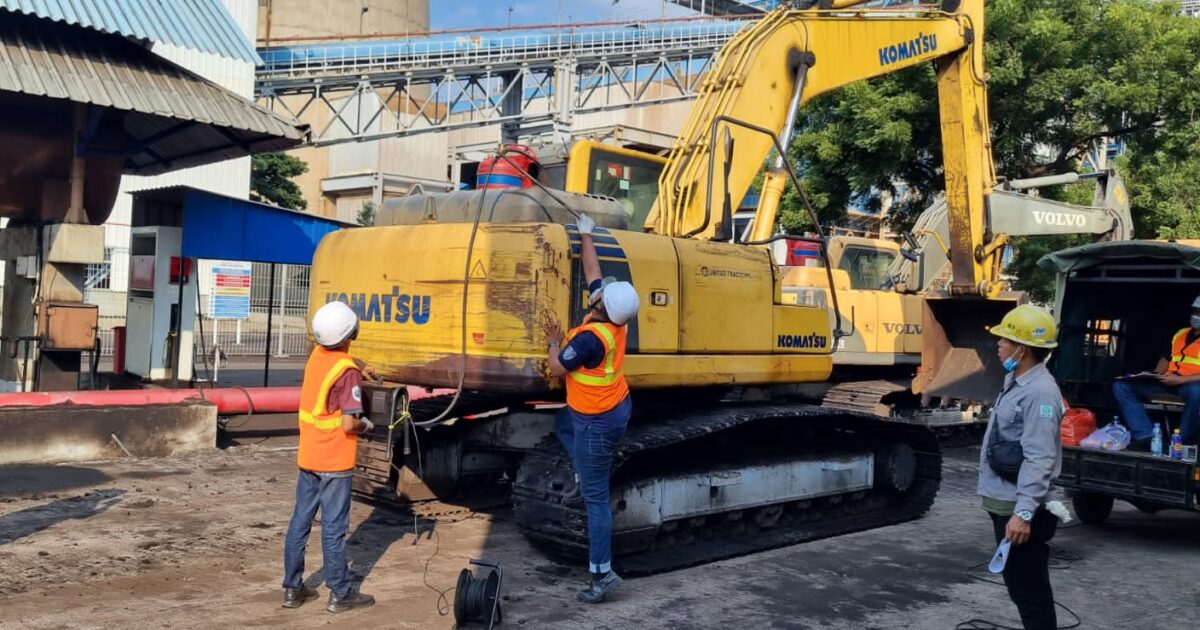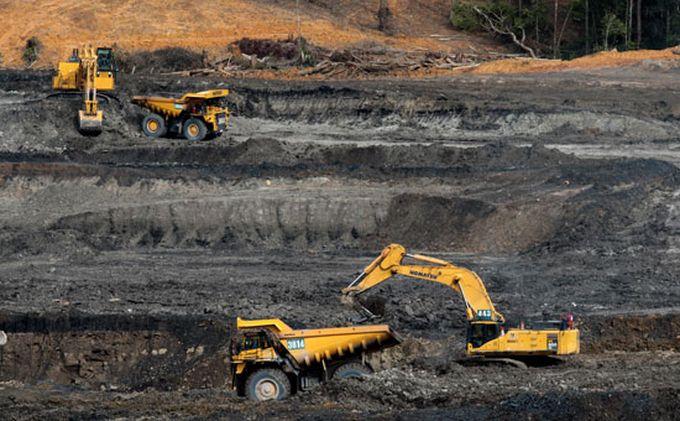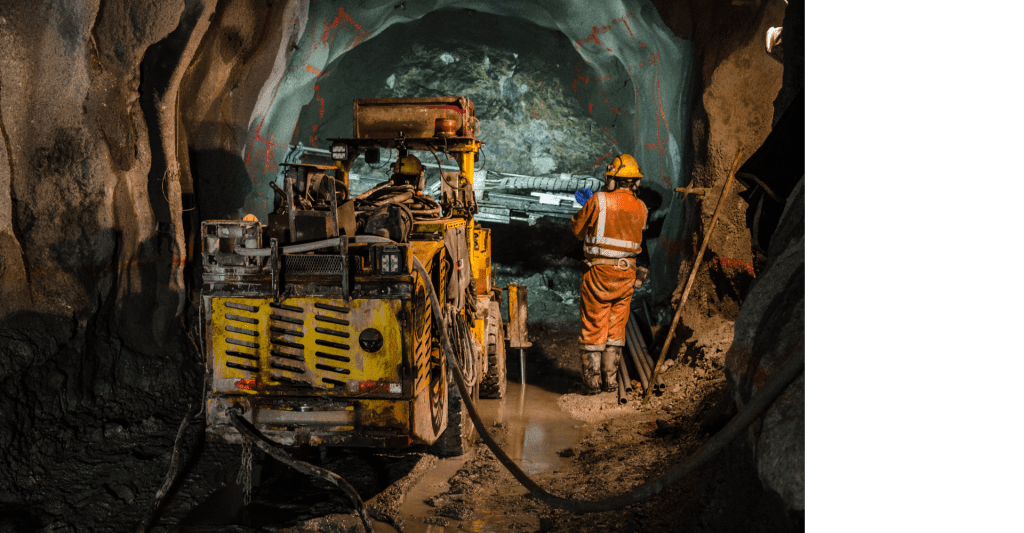

In the world of heavy equipment such as excavators that use a chain system (track), the bottom of the vehicle (undercarriage). This section becomes the main support and drive when heavy equipment crosss various types of terrain, starting from soft soil, rocky, until the terrain is quite extreme. Inside undercarriage, there are several important components such as track shoe, roller (top and bottom), idler, track chain, and of course, sprocket excavator.
For those who don't know, sprocket is an important part under the excavator. The function of this tool is to transmit power from the engine to the chain so that the heavy equipment can move forward or backward. Because of this task, Sprockets are essential for connecting the engine and chain.
If the sprocket is worn or damaged, movement of heavy equipment can be disrupted, the chain breaks quickly, and can even be dangerous when operating. Therefore, You need to know how it works, design, and proper sprocket maintenance to maintain optimal project performance.
In this article we will discuss the meaning sprocket excavator to the characteristics of the damage. Pay attention to the following information so you don't miss anything, of!
What is sprocket excavator?
Sprocket excavator, or what is commonly called drive sprocket is an important part of the drive system in heavy equipment such as excavators. This tool is in the form of a toothed wheel which is located at the bottom rear of the machine, precisely on the shaft called the final drive.
So what are the functions? sprocket excavator for heavy equipment? This tool has an important position as the main driver of the wheel chain (track) In the excavator. Its job is to transmit rotational power from the engine to the chain. The sprocket teeth are designed to fit properly so they can grip the gaps in the chain, so that the chain can move smoothly and efficiently.
When the machine starts and the operator moves the lever, The power from the engine will rotate the sprocket. This rotation is what pulls the wheel chain, makes the excavator go forward or backward. Because the sprocket is vital for this movement, it must always be in prime condition. If it wears out, can damage other parts such as the wheel chain and idler, which ultimately makes the entire drive system quickly damaged.
Main Function of Sprockets on Excavators
After knowing the meaning above, You already know the function sprocket excavator Not yet? Excavator component This function is to advance or rewind excavator. For more details, Here are some functions you need to know.
Moving the Chain (Track) for Tool Shifting
Sprockets have an important role in the excavator motion system. When the engine is started and energy is supplied to the drive system, the sprocket will rotate track or the wheel chain that surrounds the bottom of the tool. This process makes it possible excavator moves forward or backward according to the control of the lever by the operator.
Synchronous movement between the sprocket and track is very important to support excavator performance. Without push from the sprocket, the chain will not move, so that this heavy equipment cannot move or maneuver at the work site.
Continued Power from Final Drive the Track
Sprockets also function as a connecting bridge between final drive (final mover) and track. When final drive rotate its axis, The sprocket will transmit this rotational energy to the chain. Interlocking sprocket tooth design with holes on track link ensure that energy distribution takes place more efficiently.
Supports smooth movement of heavy equipment
Properly functioning sprockets help avoid sudden shocks or other disruptions to the motion system. On the contrary, if the sprocket has a problem, the movement of the excavator can be rough, even triggering further damage to undercarriage. Thus, Sprockets have a big influence on the comfort and overall working performance of heavy equipment.
Protect Component Undercarriage Other
Usage sprocket excavator next to maintain components track chain, roller, and idler. When the sprocket is worn or the teeth are out of balance, pressure on track becomes uneven. This will accelerate premature wear of other components and shorten the life of the drive system. That's why, You need to pay attention to the conditions sprocket.
Types of Excavator Sprockets
Sprocket excavator there are actually several types, You can differentiate by size and class, or based on the design of the teeth. For more details, Following are the differences between these tools.
Based on Excavator Size and Capacity (Mini, Medium, Heavy-Duty)
One of a kind sprocket excavator can be differentiated based on size and capacity. In this category, You can find excavator mini (weight below 6 ton). This gear section is small in size to support agility in limited areas.
For excavator the middle class uses sturdier medium-sized sprockets. Meanwhile for heavy class excavators (heavy-duty), The sprockets are designed to be larger to withstand extreme loads and heavy work in outdoor terrain. You already know the difference, right??
Based on Gear Design
Based on the design of the teeth, sprocket excavator divided into several types.
First sprocket a row of teeth (single tooth), generally for light applications or simple drive systems. So, double tooth sprocket which has two rows of teeth and has higher durability and greater working pressure.
Besides that, There are also sprockets with heat treatment (heat-treated) which makes the material harder and more wear-resistant. This type is often used for heavy working conditions and rocky ground. On the contrary, Standard sprockets are suitable for routine work or less extreme use.
Based on Manufacturing Material (Cast Steel, Forged Steel)
The next type of sprocket can be differentiated according to the material it is made from. First, ada sprocket from cast steel (cast steel). This material is more for light to medium jobs. Second, there is a sprocket made of forged steel (forged steel) has a denser structure, sturdy, and resistant to high pressure and hard impacts. You can choose sprockets based on your needs in the field.
Characteristics of Damage to Excavator Sprockets
In heavy terrain, excavators rely heavily on the bottom (called the undercarriage) to be able to move and stay balanced. One of the most important parts in the undercarriage is the sprocket. The sprocket's job is to transmit rotational power to the track chain so that the excavator can run.
Over time and frequent use, sprockets can be worn or damaged. It is very important to recognize signs of damage to excavator sprockets from the start. Therefore, You can prevent further damage to the undercarriage. The following are the characteristics of damage to parts sprocket excavator.
Sprocket Teeth Become Worn or Tapered
One of the characteristics of damage to sprocket excavator is wear on the teeth. This occurs due to continuous friction between the sprocket and track link, especially if lubrication is less than optimal. Sharpened teeth cannot grip track well, thus causing slippage or jumping when the tool is moving.
If you continue to ignore it, This wear will spread to other components such as track and roller. Therefore, It is important to routinely check the shape of the teeth. Teeth that are still healthy are generally thicker and blunter at the tips, not tapered or broken.
Track Jumps When Excavator Operates
Characteristics sprocket excavator The next damage that occurs is when it is unable to grip track link appropriately. This condition causes track can jump out of line when the tool is moving. This jump not only disturbs work comfort, but it also risks damaging the frame (frame) or other components. If the sprockets look worn and track too loose, it is recommended to replace both at the same time.
Appearance of Rough Sounds from the Area Undercarriage
Noisy or harsh sounds when excavator moving is also a sign of a problem with the sprocket. Worn sprocket teeth usually cause uneven friction with track. Don't be surprised if a sound like sharp metal rubbing or a light bang appears.
Sprocket Loses Sync
Damage sprocket excavator can also be seen from movement rack pad that is stuck or tilted. When the tooth position no longer fits the gap track link, resulting in the rotation of the sprocket not being able to move the chain smoothly. This condition can cause uneven tension throughout the system undercarriage.
If left, this problem can damage the system alignment and accelerate damage to final drive as well as roller. Therefore, maintain synchronization between sprockets and track is a very important thing.
Oil Leaks Nearby Final Drive
Although not direct damage to the sprocket, oil leak from final drive could be an indication of further damage due to unbalanced sprockets or excessive load (over-stress). When the sprocket is too worn, workload final drive increased, which is potentially damaging seal or bearing inside it.
If oil seepage is found around the sprocket or shaft final drive, immediately carry out a thorough inspection. This step can prevent more extensive damage and expensive repairs.
Excavator Sprocket Maintenance and Replacement Tips
When the excavator works in difficult terrain, Sprockets are a very important part so that the machine can move smoothly and efficiently. The following are some care tips that you need to pay attention to.
- Perform Regular Visual Inspections
Regular inspections are crucial to detect signs of wear early. Note the shape of the sprocket teeth, tightness track, and whether there are any unusual sounds when the machine is operating. This simple check can be done every week or after the tool is used in heavy work.
Also make sure there are no cracks, shape change, or oil leaks around the sprockets and final drive. When an anomaly is found, immediately consult a technician or make a replacement if necessary.
- Replace Sprocket Simultaneously with Track Chain If It's Worn Out
Sprockets and track chain work directly and influence each other. If one of the components is worn out but is still used, New components will fail more quickly due to lack of synchronization. Therefore, it is highly recommended to replace the sprockets and track simultaneously for optimal usage time.
This step may feel expensive at first, but it can actually save long-term repair costs and minimize downtime (downtime) heavy equipment.
- Avoid Excessive Operation in Extreme Terrain
Use of heavy equipment in extreme terrain such as rocky ground, thick mud, or areas full of debris can accelerate sprocket failure. If you really have to operate in these conditions, ensure tools are run carefully and maintenance frequency is increased.
Besides that, use track and sprockets that are designed for tough conditions. This will help extend component life and maintain stable performance.
- Use Original or High Quality Spare Parts
Select sprockets and components undercarriage others from trusted brands or according to manufacturer recommendations. Genuine components offer greater design precision and material durability, so it can reduce the risk of damage and extend its service life.
Although the price may be higher, using quality spare parts is much more profitable in the long run than frequently replacing cheap components that wear out quickly.
That's what the discussion is about sprocket excavator. For those of you who don't want to bother with excavator operations and maintenance, PT Perkasa Sarana Utama (PSU) is the answer! We provide best excavator, complete with expert operators and mechanics. You just focus on the project, Let us take care of all the technical matters. For further consultation regarding heavy equipment selection, including appropriate excavator purchase or rental options, please contact our team via CS at number 0811358378 or by electronic mail to the address rent@psualatberat.com. You can also get the latest information via our Instagram account @psualatberat.