In excavator operations, The undercarriage system has a crucial role in supporting the load of the equipment and ensuring that movement remains stable in various terrain conditions. One of the problems that often occurs in the field is the track link which often comes loose. Even though it looks trivial, This condition can cause project downtime, damage to other components, to work safety risks.
Many cases of loose track links are actually caused by track tension that is not up to standard or lack of routine maintenance. This article will discuss the main causes of track links often coming loose, Initial signs to look out for, and how to adjust the tension of the excavator track correctly so that the tool remains safe and productive.
What is a Track Link and its Function on an Excavator?
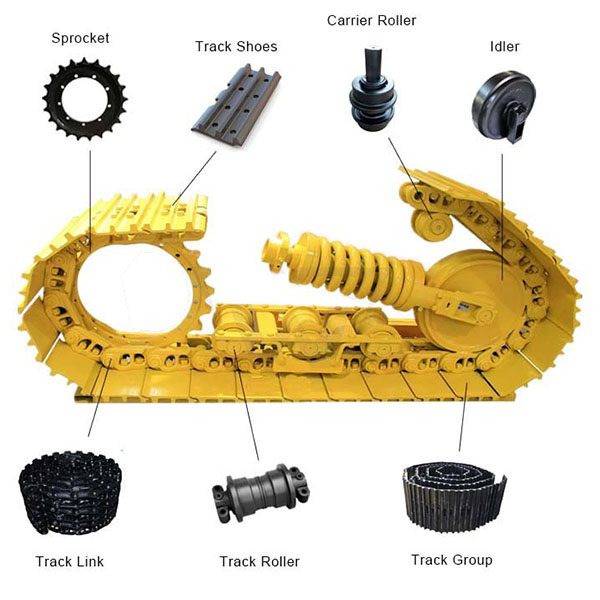
Track link is part of chain wheel system (crawler) which serves as the medium of excavator movement. This component works together with the sprocket, idler, and rollers to transmit power from the engine to the ground surface.
The main function of the track link is to maintain the stability of the tool, distribute the load evenly, and allows the excavator to move on rough terrain such as soft ground, lumpur, and rocky areas. Because they work directly in extreme fields, Track links are among the components most susceptible to wear and tear.
Characteristics of Track Link Starting to Have Problems
Before the track link is completely gone, there are usually some early signs that can be recognized by the operator or mechanic. The track feels looser than usual and often goes off track when the machine turns. Besides that, Abnormal sounds appear from the undercarriage area when the excavator is running.
Uneven wear on the sprockets or rollers is also an indication that the track system is not working optimally. If these signs are ignored, the risk of losing track links will be greater.
Causes of Excavator Track Links Often Loose
There are several reasons why the excavator track link is breaking loose, among them:
Track Firmness Not Up To Standard
The most common cause of loose track links is improper track tension settings. Tracks that are too loose will easily come off track when the excavator is maneuvering, especially on rough terrain. On the contrary, Tracks that are too tight actually accelerate wear of undercarriage components and increase system workload.
Setting a balanced tension according to the manufacturer's recommendations is the main key to preventing this problem.
Undercarriage Component Wear
Undercarriage components like sprockets, idler, and worn or misaligned rollers can keep the track from running straight. This imbalance increases the risk of missing track links, especially when the tool is working with heavy loads or making sharp turns.
Extreme Work Field
Muddy field, rocky, or full of residual excavation material often accelerates track wear. Material that builds up in the undercarriage can push the track out of alignment, especially if the track tightness is not optimal.
Operation Error
The way of operation also greatly influences the condition of the track link. Rough maneuvers, repeated sharp turns, and excessive speed on rough terrain can put excessive stress on the track system and increase the risk of breakaway.
What is the impact of a track link that often falls off??
Track links that often come loose don't just hinder work, but it also has further impacts. Project downtime becomes more frequent as the device has to be stopped for repairs. Besides that, Other undercarriage components can also be damaged due to abnormal friction and impact.
From a safety perspective, Loose tracks also pose a risk of endangering operators and workers around the work area if not handled properly.
How to Adjust Excavator Track Tension Correctly
After understanding the impacts and causes, So what are the solutions or tips for adjusting the tightness of the excavator track link so that it doesn't come loose often?? See the guide here:
Preparation Before Setup
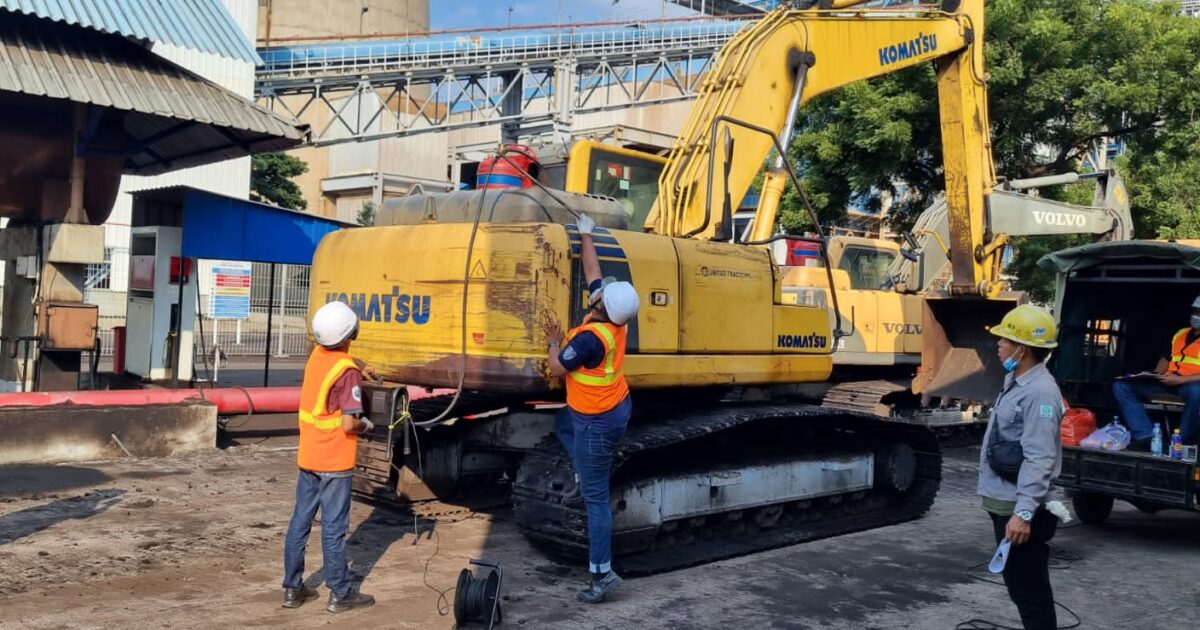
Before setting up, make sure the excavator is on a level and safe surface. Turn off the engine according to the procedure and clean the undercarriage area from mud or adhering materials so that the adjustment process is more accurate.
Steps to Adjust Track Firmness
Adjusting track tension is generally done via a grease tensioner. To tighten the track, grease is added gradually until the manufacturer's recommended sag distance is reached. On the contrary, to loosen the track, grease is reduced carefully.
It is important to always refer to the manufacturer's standards, because each type of excavator has different tightness specifications.
Safety Tips during Setup
Use personal protective equipment (APD) and avoid standing in front of the track when making adjustments. This process should be carried out by mechanics or experienced personnel to avoid the risk of work accidents.
Routine Maintenance to Prevent Loose Track Links
Prevention is always more effective than repair. Daily Check of Tools (P2H) on the undercarriage helps detect track looseness and component wear early. Besides that, Regular cleaning after working on muddy or rocky terrain helps keep the track in ideal condition.
Consistent maintenance will extend the life of the undercarriage and maintain optimal excavator performance.
Maintained Unit for Safer Operation with PSU!
The condition of the undercarriage greatly determines smooth operations in the field. PT Perkasa Sarana Utama (PSU) make sure each excavator unit used on the project has undergone regular undercarriage checks and maintenance, including setting track link tension according to technical standards.
With well-maintained units, the risk of losing track links can be suppressed, so that work runs more safely and efficiently.
Various choices of heavy equipment starting from excavators, mini excavator, You can find bulldozers and others here by contacting us via :
- WhatsApp: 0812-5233-3349
- Email: rent@psualatberat.com
- Website: psualatberat.com
Yuk, Call us right now!